
Introduction: Why December Freight Rates Shift Every Year
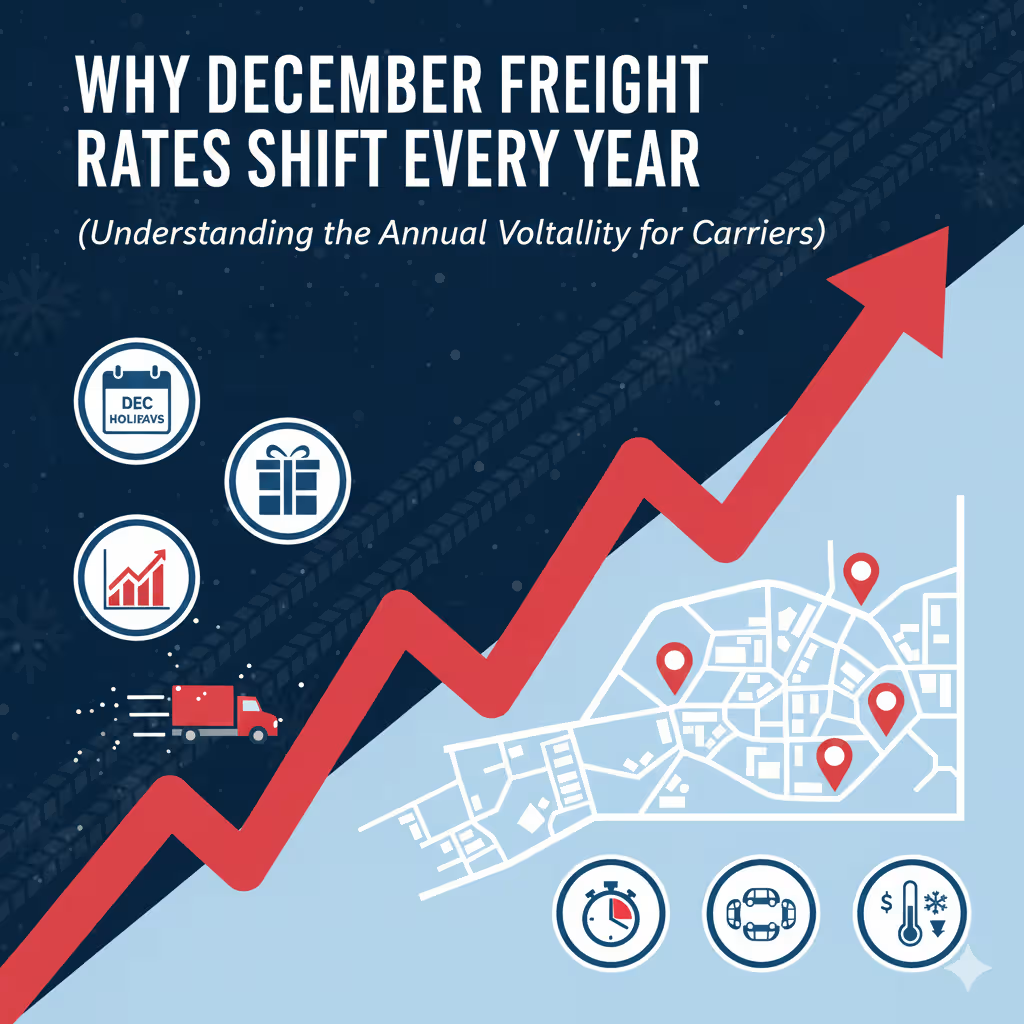
December always changes the freight market. Holiday demand rises, capacity drops, winter weather slows movement, and shippers push for faster delivery. These pressures make December freight rates, holiday season freight rates, and overall freight rate fluctuations more unpredictable than any other month.
Retail surges, e-commerce growth, and urgent shipments create sharp spikes in shipping rates in December. At the same time, many drivers take time off, causing freight capacity shortages and pushing more loads into the spot market—where prices jump quickly.
Understanding these seasonal patterns helps carriers price loads smarter, reduce delays, and protect profit margins during the busiest part of the year.
This guide is built using insights from logistics experts and real December data, giving carriers a clear view of how the holiday season impacts freight—and how to stay ahead.
Key Takeaways: How December Holidays Affect Freight Rates
- December freight rates rise every year due to peak holiday demand, reduced driver availability, and winter weather delays.
- Capacity tightens as more shipments enter the market while many drivers take time off, pushing more loads onto the spot market.
- Holiday season freight pressure increases hidden costs such as detention, overtime pay, fuel usage, and empty miles.
- Real-time planning and early load scheduling help carriers avoid last-minute rate spikes and seasonal disruptions.
- A modern TMS gives carriers a major advantage with automated dispatching, route optimization, live tracking, and smart pricing insights.
- Carriers who prepare early protect their margins and navigate seasonal volatility with fewer delays and stronger profitability.
Why December Holidays Disrupt Freight Rates
December disrupts freight rates because demand rises sharply while capacity drops—two trends consistently confirmed by industry data from DAT, FreightWaves, and retail logistics reports.
Holiday shopping spikes shipment volume, especially in retail and e-commerce. At the same time, many drivers take time off, reducing available trucks. This supply–demand gap pushes December freight rates higher across many lanes.
Delivery windows also get tighter in December. Retailers and shippers pay more for on-time deliveries, which increases holiday season freight rates and spot-market activity. Winter weather delays add another layer of pressure, causing more re-routing and last-minute rate changes.
These combined factors—higher demand, reduced capacity, shorter timelines, and weather risks—are the primary reasons shipping rates in December shift more than any other month.
Key Factors Driving Rate Changes in December
Several consistent, data-backed forces shape December freight rates every year. These factors directly influence pricing, capacity, and how carriers operate during the holiday season.
1. Holiday Demand Surge
Retailers, distributors, and e-commerce companies push out significantly more freight in December. This surge increases load boards, raises shipment volume, and naturally drives up holiday season freight rates.
More freight + limited trucks = higher prices.
2. Reduced Driver Availability
Many drivers take scheduled time off for the holidays. With fewer drivers available, the trucking capacity drops. This capacity shortage makes trucks harder to secure, which increases both contract and spot prices. This pattern consistently appears in December market reports.
3. Winter Weather Delays
Snow, ice, and storms slow down transit times across northern and central states. When weather disrupts deliveries, carriers build extra time and risk into their pricing. This causes shipping rates in December to rise, especially on longer hauls and high-risk lanes.
4. Lane Imbalances
December creates heavy outbound freight flows from retail hubs, ports, and distribution centers. But inbound demand doesn’t always match. When outbound lanes surge and return lanes soften, spot prices jump on busy corridors while backhaul challenges increase. This imbalance fuels freight rate fluctuations.
5. Spot Market Volatility
Urgent loads, last-minute shipments, and holiday cutoffs push more freight onto the spot market. Historically, spot rates climb in the final weeks of December because shippers compete for limited capacity and faster delivery windows.
These factors combine to create the sharp, predictable volatility seen in December freight rates every year. Carriers that understand them can price smarter and plan routes with fewer surprises.
How Capacity Tightening Impacts Pricing
Capacity tightening is one of the strongest drivers behind rising December freight rates. When fewer trucks and fewer drivers are available, the market shifts instantly—and pricing follows.
During December, many drivers take time off, weather slows movement, and demand rises faster than trucks can circulate. This creates a supply–demand imbalance: more loads, fewer trucks. When capacity drops, shippers must pay more to secure the equipment they need, which pushes both spot and contracted rates higher.
Tight capacity also forces shippers to move planned loads into the spot market. December is one of the months where this shift becomes most visible. As more shippers compete for limited trucks, holiday season freight rates spike and lane volatility increases.
Simply put:
Lower capacity = higher prices.
This pattern repeats every December across retail, e-commerce, manufacturing, and general freight.
Carriers who recognize early signs of tightening capacity can price more accurately, select better lanes, and protect margins during peak holiday pressure.
The Hidden Costs Carriers Face During Holiday Shipping
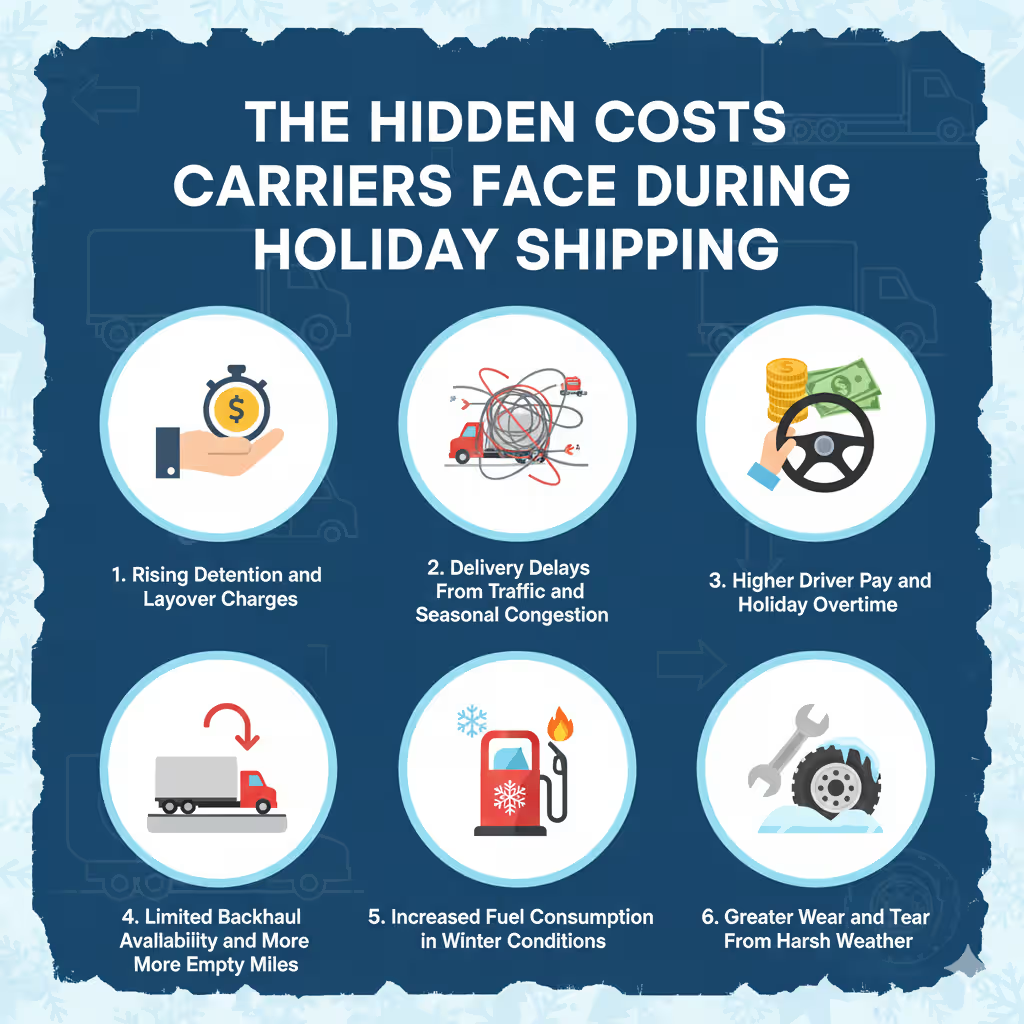
During the December holiday surge, carriers face several hidden costs that often go unnoticed but directly impact profitability and operational efficiency. These added expenses come from real seasonal challenges such as delays, weather issues, and lane imbalances.
1. Rising Detention and Layover Charges
Holiday congestion slows loading and unloading at warehouses and distribution centers. Longer wait times translate into higher detention and layover fees, which quickly reduce margins.
2. Delivery Delays From Traffic and Seasonal Congestion
Retail hubs, ports, and major metros experience heavy traffic in December. These delays increase total transit time, limit daily load capacity, and reduce overall fleet productivity.
3. Higher Driver Pay and Holiday Overtime
Many fleets pay drivers premium rates for holiday schedules. Urgent loads and extended hours push labor costs higher than usual.
4. Limited Backhaul Availability and More Empty Miles
Demand surges in outbound lanes but not always on the return route. When backhauls are scarce, carriers run more empty miles, lowering revenue per trip.
5. Increased Fuel Consumption in Winter Conditions
Cold temperatures, idling during long queues, and winter rerouting naturally increase fuel usage, one of the costliest operational expenses for fleets.
6. Greater Wear and Tear From Harsh Weather
Snow, ice, and rough winter roads accelerate equipment wear. Tires, brakes, and engines need more maintenance, adding to end-of-year expenses.
These hidden costs are a major reason December freight rates rise every year. Understanding them helps carriers price loads accurately, avoid losses, and stay profitable during holiday shipping pressure.
Carrier Strategies to Win December
December freight pressure is real—but carriers who plan ahead can turn peak-season challenges into profitable opportunities. The key is staying proactive, avoiding last-minute decisions, and using data to guide every move. Here are the strategies carriers rely on to stay competitive during the holiday surge:
1. Plan Loads Earlier to Avoid Last-Minute Rate Spikes
Early scheduling helps carriers secure better rates and avoid costly holiday spot-market volatility. Shippers also prefer carriers who commit early during peak weeks.
2. Use Route Optimization to Reduce Weather Delays
Winter storms and congestion add hours to routes. Planning with real-time weather and traffic data helps fleets cut detours, prevent delays, and save fuel.
3. Choose Lanes With Balanced Backhaul Opportunities
Targeting lanes with steady return-load availability reduces empty miles and improves overall profitability—especially when holiday demand is unbalanced.
4. Strengthen Communication With Shippers and Drivers
Transparent communication minimizes surprises. Updating ETAs, sharing road conditions, and coordinating pickup timing helps prevent detention and missed windows.
5. Rely on Real-Time Data to Price Loads Smarter
Live market insights allow carriers to adjust pricing based on demand surges, capacity tightening, and lane-specific volatility. This prevents underpricing during peak periods.
When carriers apply these strategies, they gain more control over holiday season freight rates, protect margins, and navigate peak-season volatility with confidence.
How a Modern TMS Helps Carriers Navigate December Freight Pressure
A modern Transportation Management Software (TMS) gives carriers a major advantage during the holiday surge. December brings higher freight demand, tighter capacity, and more frequent delays—so carriers who rely on manual processes struggle the most. A TMS solves these challenges by giving fleets real-time control, automation, and faster decision-making.
Here’s how a modern TMS helps carriers stay ahead in December:
1. Real-Time Visibility for Better Load Planning
A TMS Software provides Real time Truck tracking, weather insights, and route status updates. This helps dispatchers adjust quickly when winter storms, traffic, or holiday congestion impact delivery times.
2. Automated Dispatching for Tight Schedules
Automated Dispatching reduces manual work and speeds up load assignment. During peak season, this helps carriers secure more loads without overwhelming dispatch teams.
3. Smarter Load Planning That Reduces Empty Miles
A TMS Software matches loads with the best available drivers and suggests optimized backhaul opportunities—critical when lane imbalances increase in December.
4. Faster Communication With Drivers and Shippers
A modern TMS Software Provide Driver mobile app that centralizes messages, documents, updates, and ETAs. This reduces delays, cuts detention fees, and keeps everyone aligned during the busiest weeks of the year.
5. Pricing Insights and Market Analytics
A Carrier TMS Software helps carriers understand December freight rate trends, spot-market spikes, and lane-specific surges. This allows fleets to quote accurately and avoid under pricing during peak demand.
6. Reduced Manual Tasks When Workloads Increase
With automation handling paperwork, billing, load negotiation, tracking, and scheduling, teams stay productive even when load volumes rise dramatically.
A modern TMS becomes a carrier’s strongest tool for navigating holiday season freight pressure, improving delivery performance, and maximizing revenue in December—when every hour and every mile matters.
Conclusion: Understanding December Rate Patterns Helps Carriers Stay Ahead
December creates a perfect storm in trucking—high demand, tight capacity, winter weather, and shifting lane patterns. These forces push December freight rates higher every year, and carriers who understand these trends are the ones who protect their margins and operate with confidence.
Recognizing how holiday season freight rates change, what drives seasonal volatility, and how capacity shortages impact pricing helps carriers make smarter decisions. When fleets plan early, optimize routes, and rely on real-time data, they gain an edge during the busiest—and most profitable—month of the year.
A modern TMS strengthens that advantage even further. With automation, visibility, and intelligent planning, carriers move through December with fewer delays, better load choices, and stronger revenue.
Master the patterns, prepare ahead, and December becomes an opportunity—not a setback.