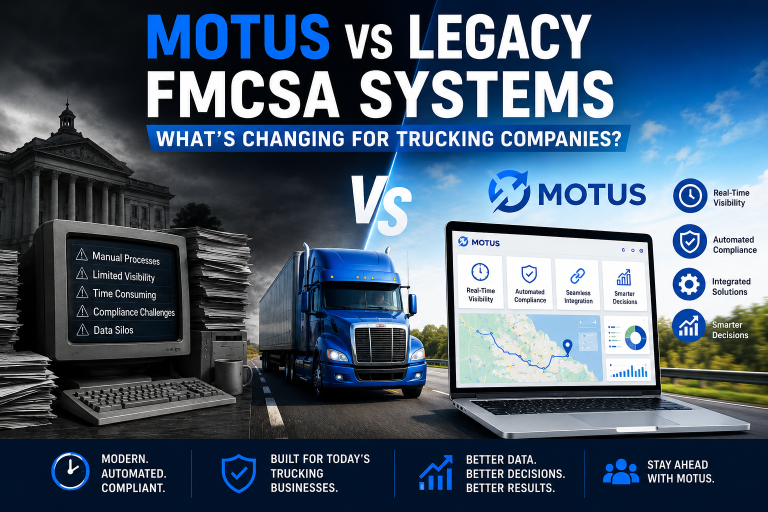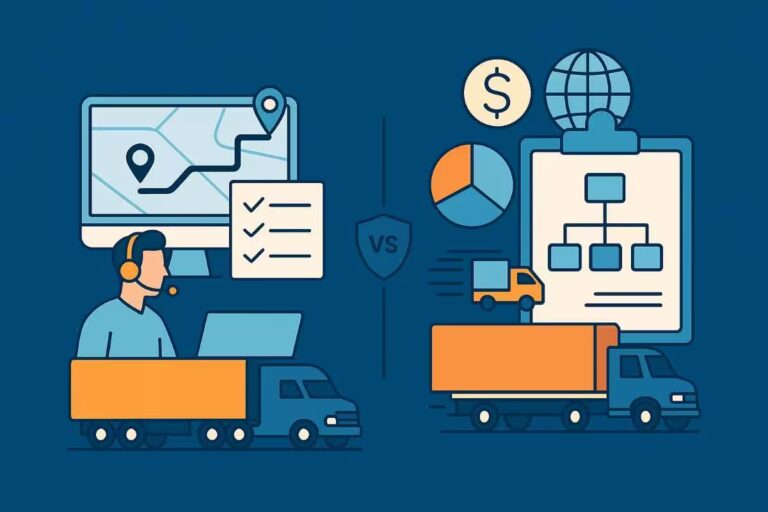
Motus vs Legacy FMCSA Systems: What’s Changing for Trucking Companies?
Introduction The trucking industry is preparing for major changes as the Federal Motor Carrier Safety Administration rolls out the new FMCSA Motus platform. The system…
Introduction The trucking industry is preparing for another major change. The Federal Motor Carrier Safety Administration is introducing the new FMCSA Motus system to replace older registration and…
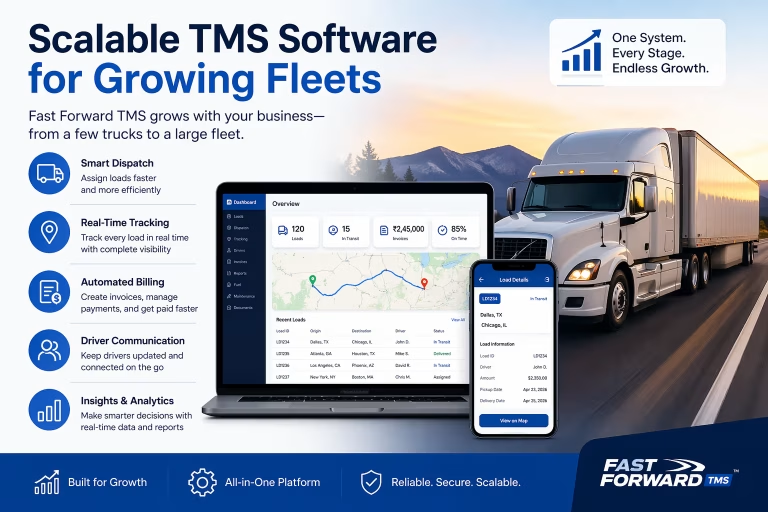
Introduction Scalable TMS software becomes essential the moment your trucking business starts expanding. What works with 5 trucks rarely works at 20. Dispatch starts getting harder to…
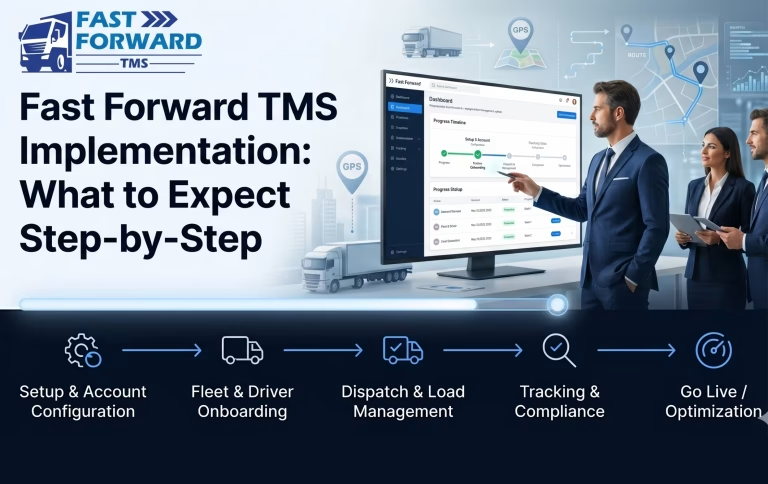
Introduction Fast Forward TMS Implementation is not just a technical upgrade. It directly impacts how efficiently your trucking business manages dispatch, tracking, driver operations, and…
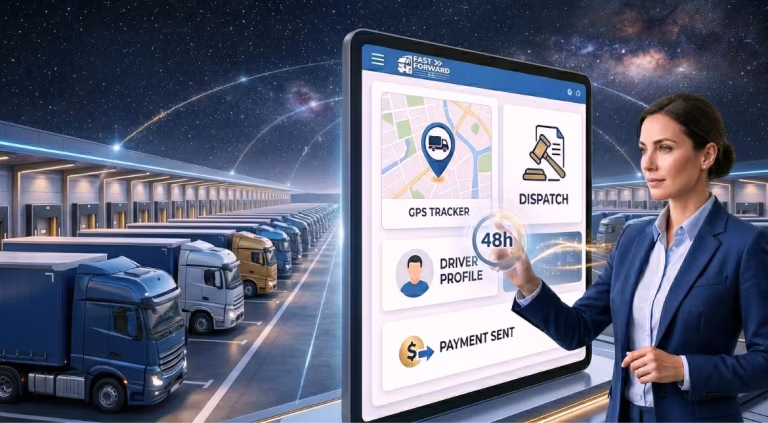
Fast Forward TMS can be fully set up in less than 48 hours, allowing carriers to onboard drivers, configure dispatch, enable tracking, and start billing without…
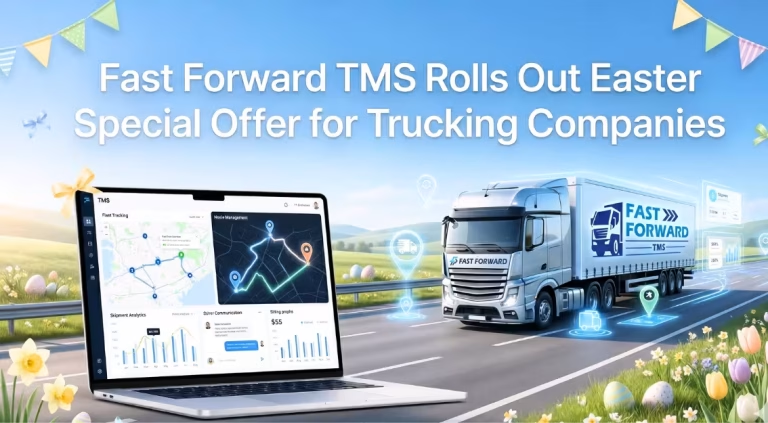
A new Easter initiative from Fast Forward TMS is highlighting how trucking companies can adopt more efficient and technology-driven approaches to fleet management amid increasing operational challenges. The transportation…
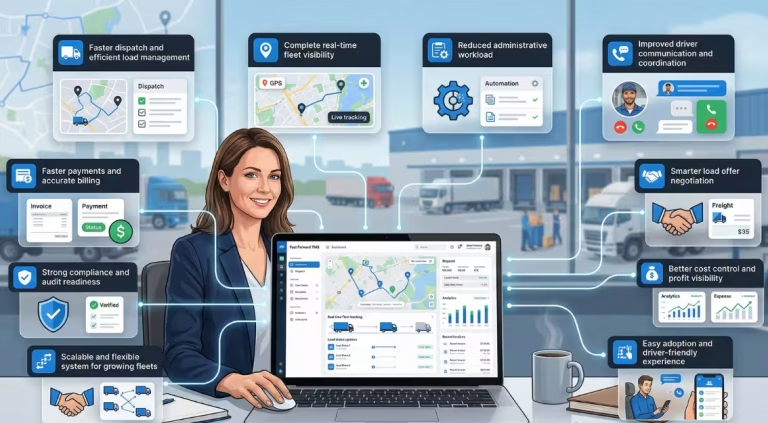
INTRODUCTION 10 Reasons Carriers Switch to Fast Forward TMS reflect the shift in modern trucking operations. Running a trucking business today is no longer just…
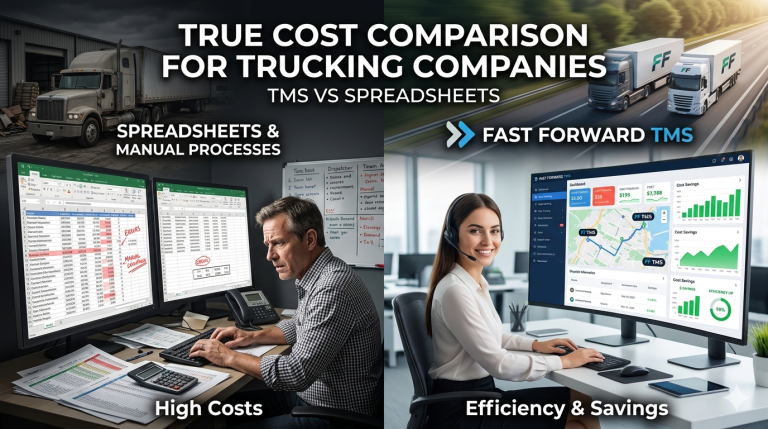
Introduction Running a trucking business today depends on how efficiently dispatch, tracking, billing, and compliance are managed. Yet many carriers still rely on spreadsheets for…
Driver retention in trucking has become one of the biggest challenges for fleet owners today. While many trucking companies invest heavily in recruiting new drivers, retaining experienced drivers…
Introduction A Daily Vehicle Inspection Report (DVIR) is one of the most critical compliance requirements in trucking—and also one of the most overlooked. Most roadside…
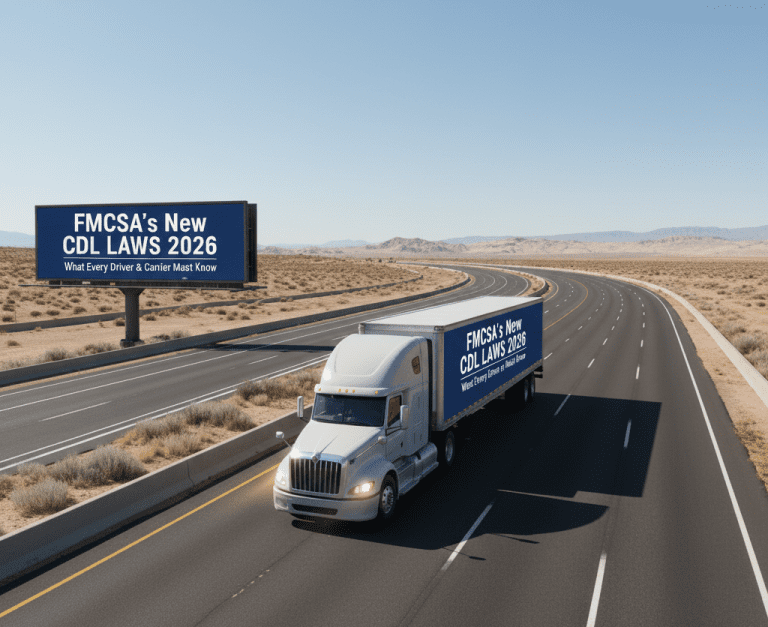
Introduction: Why CDL Compliance Changes Matter More in 2026 CDL compliance in 2026 shifts from periodic checks to continuous enforcement under the 2026 CDL laws. Driver records are…
Introduction: One of the most important trucking industry trends in 2026 is the shift from survival mode to data-driven, margin-focused operations. Freight industry trends show…
Introduction: January 2026 marks a major shift in trucking industry rules. This is not just a routine update—it is a structural change that affects carriers,…
Introduction: Why 2026 Is a Structural Reset for Carriers The 2026 trucking regulations signal a structural reset for carriers across the U.S. This is not…
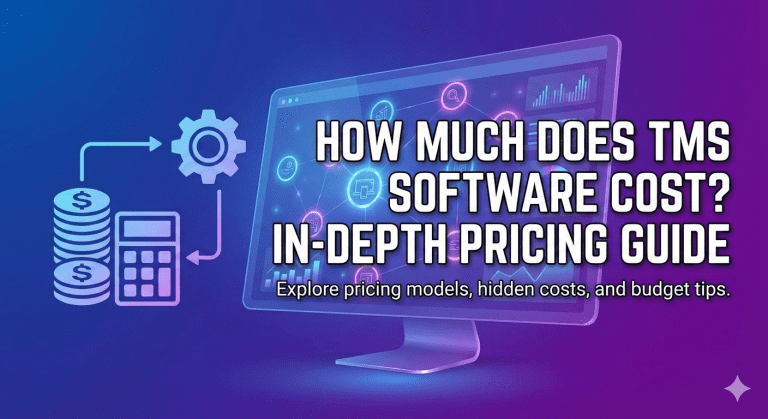
Introduction: Understanding Transportation Management Cost TMS Software Cost is a critical factor for carriers and logistics companies evaluating new technology. Costs vary based on fleet…
Introduction: TMS Software Helps Carriers Manage Holiday Season The holiday shipping season places an enormous strain on carrier operations. According to FreightPOP, U.S. carriers are…
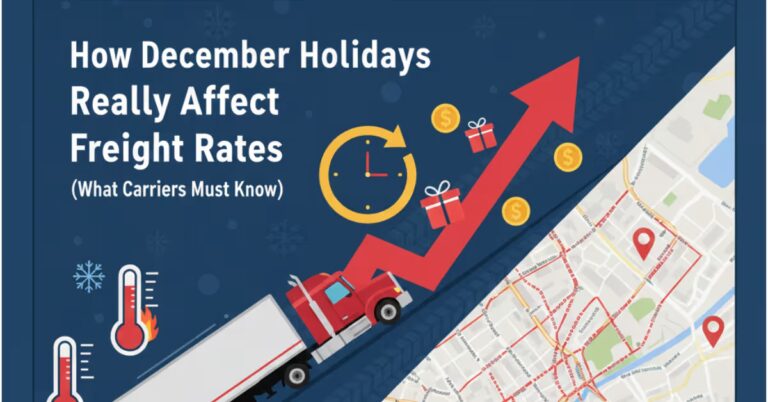
Introduction: Why December Freight Rates Shift Every Year December always changes the freight market. Holiday demand rises, capacity drops, winter weather slows movement, and shippers…
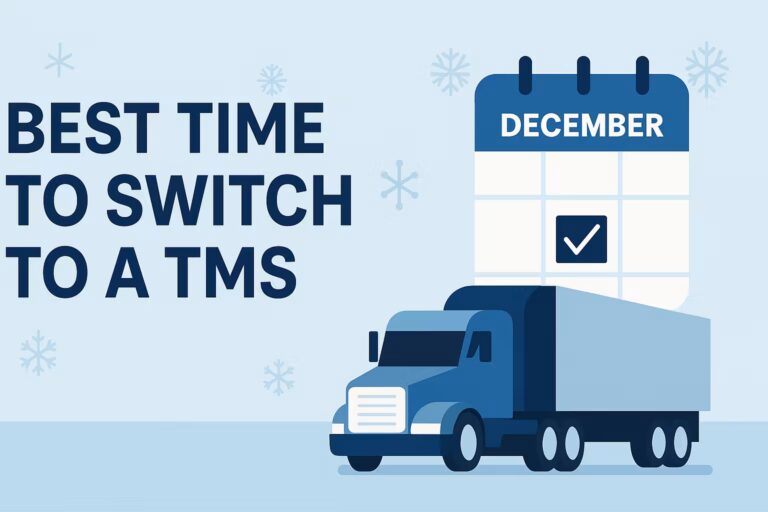
Introduction December gives carriers a rare advantage. Operations slow down, planning takes priority, and teams finally get the space to focus on improvements. That’s why December is the…
Introduction Fast Forward TMS has been named one of the Top Transportation Management Software of 2025 by CrowdReviews, a platform trusted for its transparent, user-driven rankings. This recognition…
Introduction: The Future of Freight Rate Negotiation Let’s be honest—negotiating freight rates is one of the most frustrating parts of running a trucking business. You…
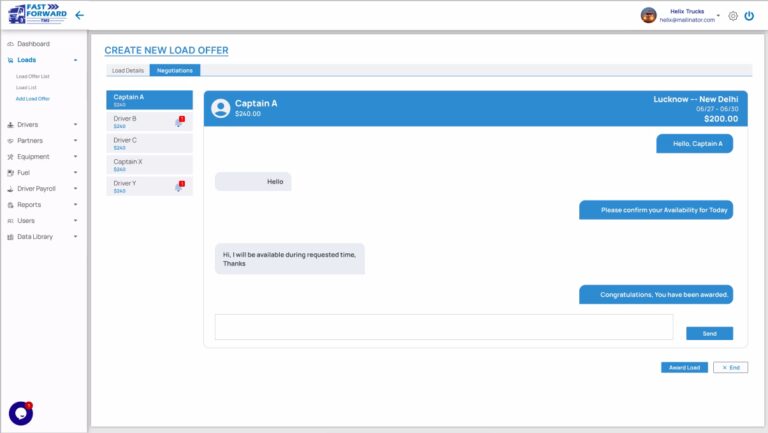
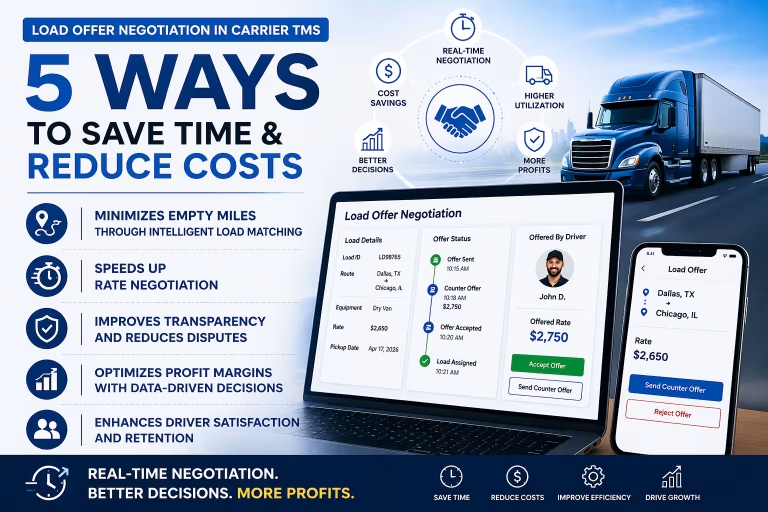
Introduction Load offer negotiation in carrier TMS is a real-time digital process that enables carriers to manage freight rate negotiation efficiently through instant offers, counteroffers,…
Introduction Imagine a busy freight dispatcher juggling endless phone calls and messages, trying to agree on freight rates with drivers and shippers—all while racing against…
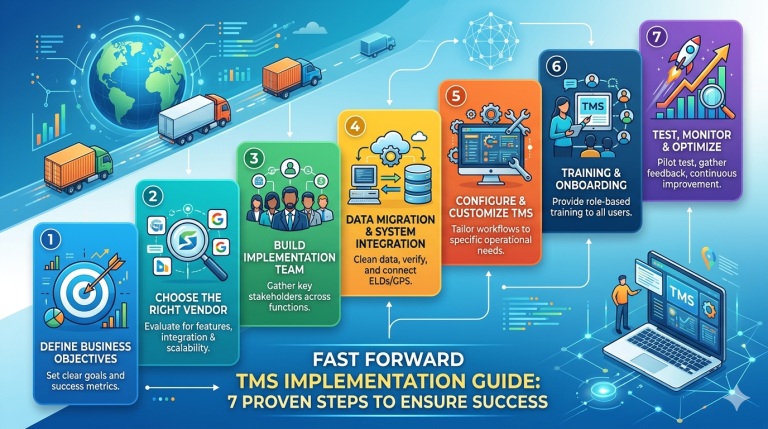
Introduction TMS implementation is the process of deploying a transportation management system to streamline logistics operations, automate workflows, and improve overall efficiency. However, many carriers fail to achieve expected…
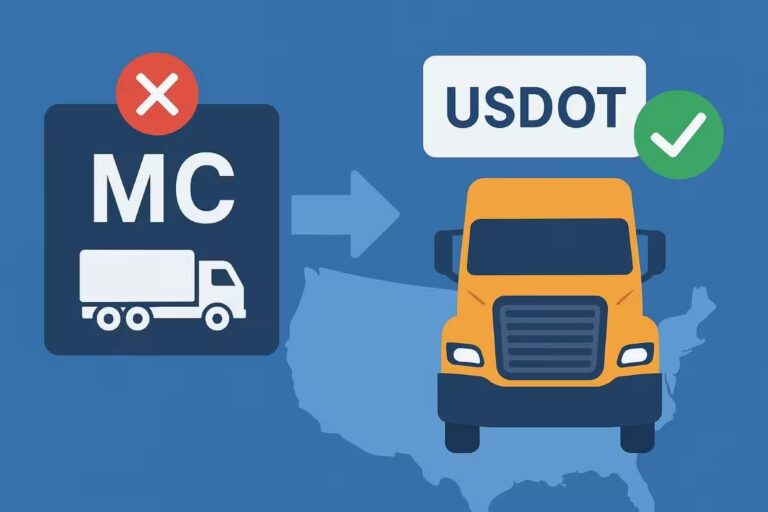
The trucking industry is gearing up for a major regulatory change. The FMCSA is eliminating MC numbers, with the phase-out effective October 1, 2025, meaning…
The trucking and logistics industry is undergoing rapid digital transformation. Global adoption of fleet technology is rising, with the Transportation Management System (TMS) market expected…
Introduction Dispatchers play a pivotal role in keeping trucking operations running smoothly every day. They assign loads, track drivers, manage paperwork, and ensure compliance with…
Introduction Every delayed load costs carriers time, money, and customer trust—making efficient dispatch more important than ever. The logistics sector continually faces challenges as demand…
Introduction Every successful trucking company has one thing in common—they’ve mastered the art of keeping operations simple while the industry grows more complex each year.…
Introduction Managing a trucking business today requires operational control, cost efficiency, and real-time visibility. Carriers are dealing with rising fuel prices, compliance requirements, and increasing…
Introduction Managing a trucking business with spreadsheets, phone calls, paper logs, and manual dispatching may have worked in the past, but today’s freight operations demand…
Introduction AI in trucking is transforming how carriers manage dispatching, routing, maintenance, safety, and daily fleet operations. From predictive analytics to intelligent automation, modern trucking…
INTRODUCTION Running a trucking business today isn’t just about moving loads—it’s about managing complex operations efficiently. As fleets grow, dispatching slows down, communication gaps increase, billing gets delayed, and…
Introduction A dispatcher sends a load offer to multiple drivers. One driver rejects the rate because the route is too long for the payout. Another does not…
Introduction In today’s fast-moving trucking industry, time and efficiency decide profitability. Empty miles, delayed updates, or outdated tools can reduce margins and limit growth. As…
Introduction: Why Choosing the Right Carrier TMS Software Matters in 2026 Running a trucking business today comes with rising costs, stricter compliance requirements, and growing…
Introduction Operating a trucking business today is akin to driving through a dynamic and challenging landscape—characterized by fluctuating fuel prices, stringent regulations, driver shortages, and…
Introduction: Fleet operations are becoming more difficult and expensive to manage. Rising fuel costs, driver shortages, delayed communication, compliance pressure, and increasing customer expectations are…
Introduction In 2025, trucking companies face rising fuel costs, stricter compliance rules, and higher customer expectations for real-time tracking. Manual tools like spreadsheets slow operations…
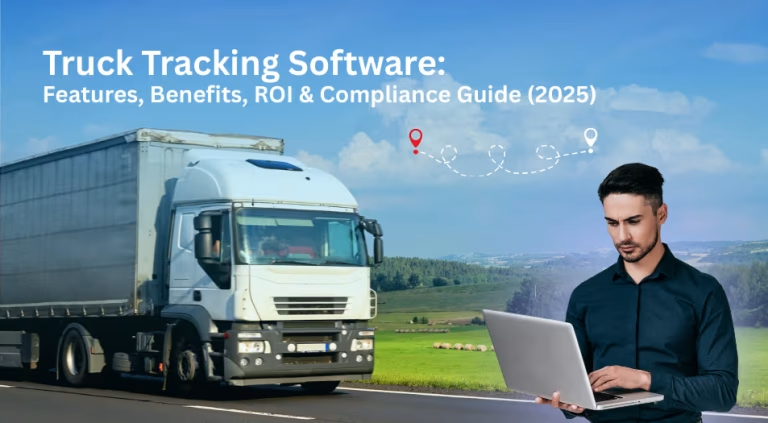
Introduction Managing a fleet without real-time visibility leads to delays, higher fuel costs, and compliance risks. Modern carriers need better control. Truck tracking software is…
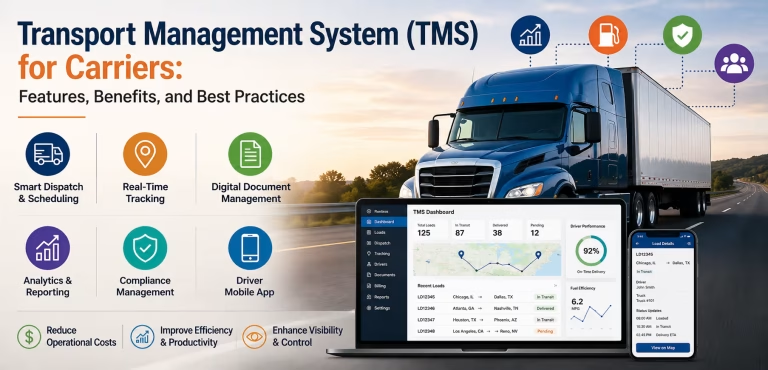
Introduction to Transport Management System for Carriers The logistics industry is changing quickly. In 2025, it takes more than just trucks and a skilled team…
© Pysar Infotech Pvt. Ltd. 2024. All Rights Reserved.