
Introduction
Managing a trucking business with spreadsheets, phone calls, paper logs, and manual dispatching may have worked in the past, but today’s freight operations demand far more speed, visibility, and operational control. As fleets grow, manual processes often create delays, communication gaps, billing errors, compliance risks, and higher operating costs.
This is why more carriers are now comparing TMS software vs traditional methods to understand which approach delivers better efficiency, scalability, and long-term profitability.
A modern trucking transportation management system helps carriers centralize dispatching, load management, driver communication, GPS tracking, invoicing, compliance reporting, and operational analytics within a single platform. Instead of relying on disconnected tools and constant manual coordination, fleets can automate daily workflows and improve real-time decision-making.
For small and mid-sized trucking companies, this shift is becoming increasingly important. Rising fuel costs, driver shortages, customer expectations, and tighter compliance requirements are making manual fleet management harder to sustain efficiently.
In this guide, we’ll compare traditional fleet management methods with modern carrier TMS software, explain the operational differences, and show why trucking companies are moving toward automated transportation management systems to improve visibility, reduce empty miles, and scale operations more efficiently.
Key Takeaways
- Traditional fleet management methods like spreadsheets, phone calls, and paper-based workflows become difficult to manage as trucking operations grow.
- Manual dispatching and limited real-time visibility often lead to communication gaps, delayed updates, higher fuel costs, and operational inefficiencies.
- Modern TMS software helps carriers centralize dispatching, load management, GPS tracking, invoicing, compliance reporting, and driver communication within one connected platform.
- Transportation management systems improve operational visibility, reduce paperwork, automate repetitive tasks, and support faster decision-making.
- Trucking companies are adopting cloud-based TMS platforms to reduce empty miles, improve route planning, lower operational costs, and scale fleet operations more efficiently.
- Features like automated dispatching, ePOD, real-time tracking, and centralized reporting help improve both operational control and customer service.
- Choosing the right carrier TMS software depends on scalability, ease of use, visibility, automation capabilities, compliance support, and operational flexibility.
- Fast Forward TMS helps small and mid-sized carriers modernize operations with centralized dispatching, real-time tracking, automated workflows, and scalable fleet management tools.
Signs Your Trucking Business Has Outgrown Traditional Fleet Management
As trucking operations grow, manual processes often become harder to manage efficiently. Many carriers start experiencing communication delays, limited visibility, paperwork overload, and rising operational costs without realizing these are signs their current workflows can no longer support business growth. Here are some common indicators that traditional fleet management methods are slowing operations down.
Dispatching and Communication Are Becoming Difficult
Many trucking companies start with spreadsheets, phone calls, text messages, and manual scheduling because these methods seem manageable in the beginning. But as freight volume increases, dispatching becomes harder to control. Dispatchers spend more time coordinating drivers, updating delivery statuses, and fixing communication gaps instead of focusing on operational efficiency. Delayed updates, missed load opportunities, and routing confusion often become common problems in manually managed fleets.
Modern carrier TMS software helps centralize dispatching, driver communication, load management, and real-time tracking within a single system, making operations faster and easier to manage.
Limited Visibility Is Affecting Operational Control
Traditional fleet management methods usually provide very little real-time visibility into truck locations, shipment progress, or driver availability. Without live operational data, dispatchers struggle to respond quickly to delays, reroute drivers efficiently, or provide accurate delivery updates to customers. This lack of visibility can directly impact customer satisfaction and operational performance.
A trucking transportation management system improves visibility through GPS tracking, automated status updates, centralized dashboards, and real-time operational monitoring.
Manual Paperwork Is Slowing Down Operations
Paper-based workflows and manual data entry create unnecessary delays across trucking operations. Invoicing, proof of delivery, compliance records, payroll processing, and shipment documentation often require extra administrative effort, increasing the risk of errors and slowing down settlements. As fleets grow, these manual processes become harder to manage consistently.
Modern trucking TMS software reduces paperwork through automated invoicing, ePOD, centralized document management, and digital workflow automation that improves both speed and accuracy.
Rising Costs and Operational Inefficiencies Are Reducing Profitability
Manual route planning, disconnected systems, and inefficient coordination often increase fuel expenses, driver downtime, empty miles, and administrative costs. Many carriers do not realize how much profitability is lost through operational inefficiencies until those problems begin affecting customer service and growth.
Transportation management software helps carriers optimize routes, automate workflows, improve load planning, and gain better control over operational costs through real-time analytics and smarter decision-making.
Scaling Operations Feels More Complicated Than Growth
Traditional methods may work for small fleets, but they become difficult to manage as operations expand. More trucks, drivers, customers, and shipments create complexity that manual systems cannot efficiently handle. Information becomes fragmented across spreadsheets, calls, and disconnected tools, making it harder to maintain consistency and visibility across the business.
A cloud-based fleet TMS platform supports growth by connecting dispatching, compliance, driver management, payroll, billing, and reporting into one scalable operational system.
TMS Software vs Traditional Methods: Key Operational Differences
Both traditional fleet management and modern TMS platforms aim to manage trucking operations, but the operational efficiency, visibility, and scalability they provide are very different. The comparison below highlights how transportation management software improves daily trucking workflows compared to manual methods.
Dispatching and Load Management
Traditional fleet management usually depends on phone calls, spreadsheets, and manual coordination to assign loads and communicate with drivers. As operations grow, this process becomes slower, harder to track, and more prone to delays and errors. Modern trucking TMS software centralizes dispatching and load management, helping carriers improve operational efficiency and reduce communication gaps.
Real-Time Visibility
Manual fleet operations often lack real-time truck tracking and shipment visibility, making it difficult for dispatchers to provide accurate delivery updates or respond quickly to delays. A transportation management system improves visibility through GPS tracking, live shipment monitoring, and automated operational updates.
Documentation and Administrative Work
Traditional methods rely heavily on paperwork for invoicing, proof of delivery, compliance records, and payroll processing. This increases administrative workload and creates higher chances of manual errors. Carrier TMS software automates documentation workflows and improves operational accuracy through digital record management.
Route Optimization and Cost Control
Manual route planning can increase fuel expenses, empty miles, and delivery inefficiencies because decisions are often based on limited operational visibility. Modern fleet TMS platforms improve route planning using real-time operational data, helping carriers optimize fuel usage and improve delivery efficiency.
Scalability
As trucking operations expand, spreadsheets and disconnected systems become harder to manage efficiently. Cloud-based trucking management software supports operational growth by centralizing dispatching, billing, compliance, reporting, and driver management within one connected platform.
| Feature | TMS Software | Traditional Methods |
| Dispatching | Automated and centralized dispatch management | Manual calls, spreadsheets, and paper tracking |
| Load Visibility | Real-time truck and shipment tracking | Limited visibility and delayed updates |
| Driver Communication | Instant updates through connected systems | Mostly dependent on calls and messages |
| Documentation | Digital invoicing, ePOD, and automated records | Paper-based workflows and manual filing |
| Route Planning | Optimized routes using live operational data | Manual planning with limited visibility |
| Cost Control | Better fuel tracking and operational insights | Higher inefficiencies and operational costs |
| Compliance Management | Automated compliance tracking and reporting | Manual record management and higher error risk |
| Scalability | Easily supports fleet growth | Becomes difficult to manage as operations expand |
Modern transportation management systems help carriers improve visibility, reduce manual workload, and manage fleet operations more efficiently compared to traditional trucking management methods.
Why Trucking Companies Are Switching to TMS Software
Better Operational Visibility
One of the biggest reasons carriers are moving away from traditional methods is the need for real-time operational visibility. Trucking companies want accurate updates on truck locations, shipment progress, driver availability, and delivery timelines without depending on constant calls or manual follow-ups. Modern carrier TMS software provides centralized visibility that helps dispatchers make faster and more informed decisions.
Reduced Manual Work
Manual paperwork, repetitive data entry, and disconnected workflows consume significant time across trucking operations. Transportation management software helps automate invoicing, dispatching, documentation, ePOD, and reporting processes, reducing administrative workload and improving operational accuracy.
Improved Cost Control
Fuel costs, empty miles, delayed settlements, and inefficient routing directly impact profitability. Trucking TMS software helps carriers optimize routes, improve load planning, and monitor operational performance through real-time data, helping fleets control costs more effectively.
Faster Communication and Better Customer Service
Traditional communication methods often create delays between dispatchers, drivers, and customers. Modern trucking management systems improve communication through live updates, centralized driver coordination, and automated shipment notifications, helping carriers provide more reliable customer service.
Easier Scalability for Growing Fleets
As fleets grow, managing operations manually becomes increasingly difficult. Cloud-based fleet TMS software allows carriers to scale operations more efficiently by connecting dispatching, compliance, billing, reporting, and driver management into one centralized operational system.
How TMS Software Helps Improve Fleet Profitability
Modern trucking companies are adopting TMS software to improve operational efficiency, reduce unnecessary costs, and increase overall profitability. By automating dispatching, improving route planning, and providing better operational visibility, transportation management systems help carriers manage daily operations more effectively while supporting long-term business growth.
Reduces Empty Miles and Fuel Costs
Empty miles and inefficient routing are major reasons trucking companies lose revenue. Manual planning often makes it difficult to optimize routes or match loads efficiently. Trucking TMS software improves route planning and load visibility, helping carriers reduce unnecessary mileage, lower fuel expenses, and improve overall fleet utilization.
Improves Dispatch Efficiency
Manual dispatching takes time and increases the chances of communication gaps and operational delays. Transportation management software helps dispatchers assign loads faster, monitor driver availability in real time, and manage operations more efficiently from a centralized platform.
Speeds Up Billing and Payments
Paper-based invoicing and manual document handling often delay settlements and create administrative bottlenecks. Carrier TMS software automates invoicing, ePOD collection, and documentation workflows, helping fleets process payments faster and improve cash flow management.
Supports Better Operational Decisions
Modern trucking management systems provide real-time operational insights that help carriers identify inefficiencies, monitor performance, and improve decision-making. Better visibility into fleet operations allows trucking companies to optimize resources and improve long-term profitability.
What to Look for Before Choosing TMS Software
Not every transportation management system is built for carrier operations. Before selecting a trucking TMS software, fleets should focus on features that improve day-to-day operations instead of adding unnecessary complexity. The right platform should simplify dispatching, improve visibility, reduce manual work, and support future operational growth.
| What to Evaluate | Why It Matters for Trucking Fleets |
| Real-Time Tracking | Helps dispatchers monitor trucks, shipments, and delivery progress instantly |
| Dispatch Management | Simplifies load assignments and reduces manual coordination |
| Driver Communication | Improves operational updates between dispatchers and drivers |
| ePOD & Documentation | Reduces paperwork and speeds up invoicing workflows |
| Compliance Support | Helps manage operational records and reporting requirements |
| Reporting & Analytics | Provides operational insights for better decision-making |
| Ease of Use | Reduces onboarding time and improves team adoption |
| Scalability | Supports fleet growth without increasing operational complexity |
A modern carrier TMS software should help trucking companies operate more efficiently while improving visibility, communication, and overall operational control across the business.
Why Many Carriers Prefer Fast Forward TMS
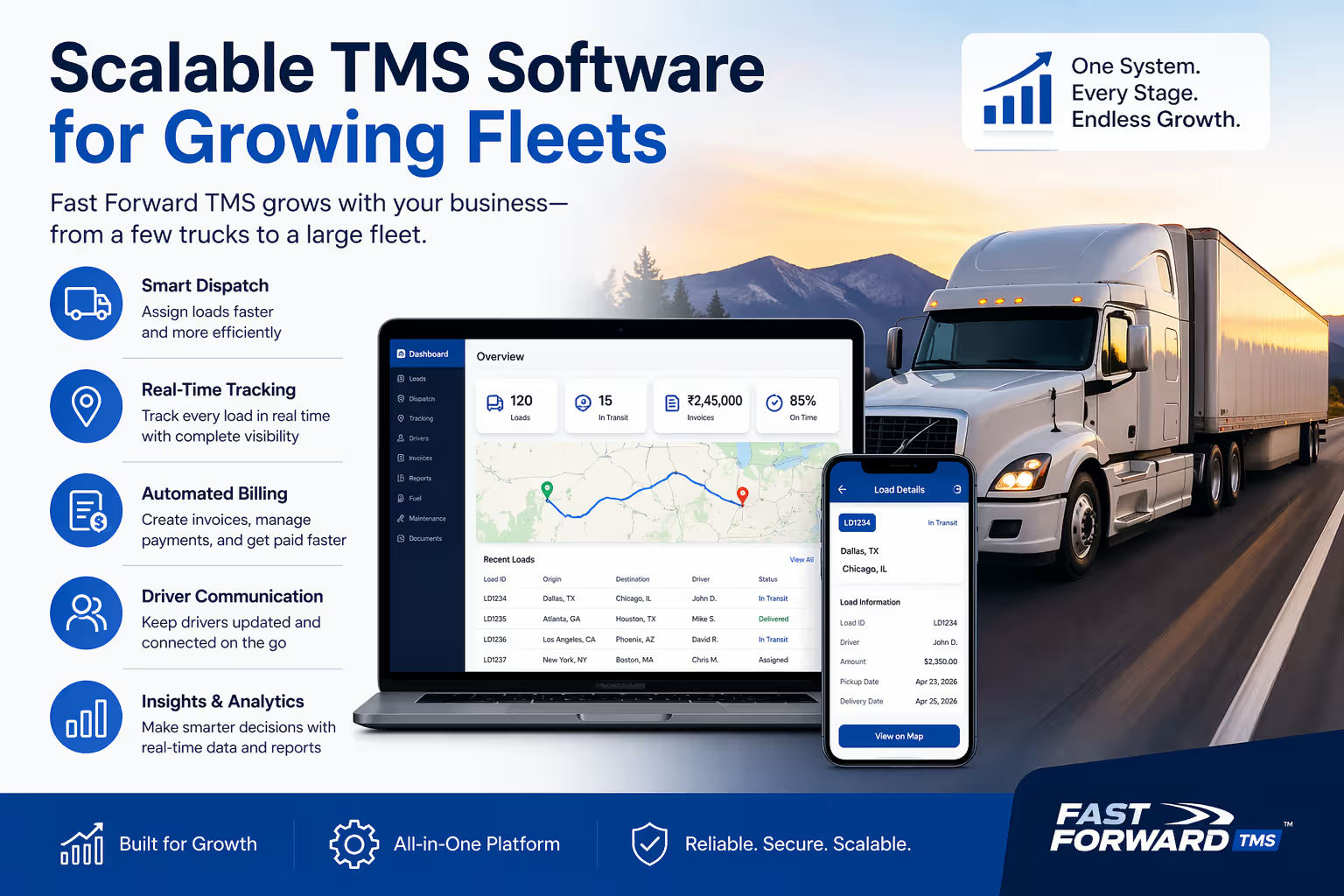
Fast Forward TMS is built for carriers that want to move beyond spreadsheets, manual dispatching, and disconnected trucking operations. The platform helps fleets manage dispatching, driver communication, tracking, invoicing, and operational workflows from one centralized system.
Trusted by 1,500+ carriers and backed by 18+ years of logistics expertise, Fast Forward TMS focuses on simplifying daily fleet operations while improving visibility, reducing manual workload, and supporting operational growth for small and mid-sized trucking companies.
With features like real-time truck tracking, automated dispatching, ePOD workflows, driver availability matching, and cloud-based scalability, Fast Forward TMS provides a more efficient alternative to traditional fleet management methods.
Conclusion
Traditional fleet management methods may still work for smaller operations, but manual dispatching, paperwork, limited visibility, and disconnected workflows often slow growth and reduce operational efficiency as fleets expand. Modern trucking companies need faster communication, better visibility, improved cost control, and more scalable operational systems to stay competitive.
This is why more carriers are moving toward TMS software to centralize dispatching, automate workflows, improve shipment visibility, and simplify day-to-day trucking operations. Compared to traditional methods, transportation management systems provide better operational control, reduced administrative workload, and improved efficiency across the business.
For carriers looking to modernize operations and support long-term growth, Fast Forward TMS offers a practical and scalable solution built specifically for real-world trucking workflows.
FAQ’s
What is the difference between TMS software and traditional fleet management methods?
Traditional fleet management mainly depends on spreadsheets, phone calls, paperwork, and manual coordination, while TMS software centralizes dispatching, tracking, documentation, and operational workflows within one connected system.
Why are trucking companies moving away from traditional methods?
Many trucking companies are replacing traditional methods because manual processes make dispatching, communication, documentation, and operational visibility harder to manage as fleet operations grow.