
Introduction
Managing a fleet without real-time visibility leads to delays, higher fuel costs, and compliance risks. Modern carriers need better control.
Truck tracking software is a real-time fleet management system that uses GPS and telematics to monitor truck location, driver activity, fuel usage, and compliance from one platform, often integrated with Dispatching Software, Driver Mobile App, and Fuel Management systems. that uses GPS and telematics to monitor truck location, driver activity, fuel usage, and compliance from one platform.
With rising fuel costs, stricter regulations, and increasing demand for real-time updates, tracking software for trucks has become essential. According to FreightWaves, telematics adoption has grown from 48% to 86%, showing rapid industry adoption.
Unlike manual methods, trucking tracking software provides live data, automation, and actionable insights, helping fleets improve efficiency, reduce delays, and make faster decisions.
This guide explains how truck tracking software works, its features, benefits, ROI, and how to choose the right solution.
Key Takeaways :Truck Tracking Software
Truck tracking software helps carriers monitor fleet operations in real time, reduce costs, improve safety, and maintain compliance using GPS and telematics systems.
- Provides real-time visibility into truck location, driver activity, and fleet performance
- Improves route efficiency and helps lower fuel usage
- Enables faster decision-making with live data and analytics
- Automates compliance (HOS/ELD) and reduces manual errors
- Enhances driver safety through behavior monitoring
- Minimizes delays and improves delivery accuracy
- Supports fleet scalability without increasing manual workload
What is truck tracking software?
Truck tracking software is a system that helps carriers monitor truck location, driver activity, and fleet performance in real time using GPS and telematics.
It replaces manual tracking methods like phone calls and paper logs by providing live data, automated updates, and centralized visibility through a single platform.
Modern tracking software for trucks also includes features like route optimization, driver monitoring, maintenance alerts, and compliance automation, helping fleets operate more efficiently.
Explore More – Best TMS Truck Tracking Software
Features of Truck Tracking Software
Truck tracking software includes features that improve fleet visibility, safety, compliance, and overall operational efficiency. These capabilities help carriers manage daily operations more effectively while reducing manual effort.
- Real-Time GPS Tracking – Track the exact location of each vehicle in real time to improve dispatch coordination, prevent route deviations, and provide accurate delivery updates
- Advanced Sensor Integration – Collect telematics data such as speed, movement, and cargo conditions to monitor vehicle performance and protect sensitive shipments
- Driver Behavior Monitoring – Identify unsafe driving patterns like speeding, harsh braking, and idling to improve safety, reduce accidents, and lower fuel consumption
- Route Optimization – Improve dispatch efficiency when combined with Dispatching Software
- Compliance Automation (HOS & ELD) – Compliance Automation (HOS & ELD) – Ensure compliance alongside Driver Payroll Software
- Maintenance Alerts & Predictive Diagnostics – Monitor engine health and receive alerts to prevent breakdowns, reduce downtime, and extend vehicle lifespan
- Analytics Dashboards – Access performance insights through Analytics Software
How does truck tracking software work?
Truck tracking software works by using GPS devices, sensors, and cloud-based platforms to monitor fleet activity in real time.
Each vehicle continuously sends location and performance data, which is processed and displayed in a centralized dashboard for fleet managers and dispatchers.
Here’s how the system works:
- GPS Devices – Installed in trucks to transmit real-time location data
- Sensors & Telematics – Capture data like speed, movement, and driver behavior
- Driver Inputs – Mobile apps allow drivers to update trip status and upload documents
- Cloud Platform – Processes data and converts it into actionable insights
This data is combined with traffic and route information to support dispatching, compliance tracking, and operational decision-making.
Truck tracking software connects vehicles, drivers, and systems into one platform, enabling real-time visibility and faster, data-driven fleet management.
Why is truck tracking software better than traditional methods?
Truck tracking software is better than traditional methods because it provides real-time data, automation, and centralized visibility, while manual systems rely on delays, guesswork, and fragmented communication.
Traditional fleet management depends on phone calls, paper logs, and basic GPS tools, which are slow, error-prone, and lack real-time insights.
In contrast, modern tracking software for trucks enables fleet managers to:
- Monitor vehicles in real time
- Respond quickly to delays or issues
- Make accurate, data-driven decisions
- Reduce manual errors and paperwork
Key Difference:
| Task | Traditional Methods | Truck Tracking Software |
| Tracking Trucks | Phone check-ins | Live GPS tracking |
| Routing | Paper maps / basic GPS | Real-time optimized routes |
| Driver Monitoring | Manual reports | Real-time behavior tracking |
| Compliance | Paper logs | Automated HOS & ELD |
| Reporting | Manual reports | Instant analytics dashboards |
Truck tracking software replaces manual processes with real-time visibility and automation, helping fleets operate faster, more accurately, and with better control.
Why Fleets Need & Benefits of Truck Tracking Software
Fleets today face challenges like limited visibility, rising fuel costs, manual coordination, and increasing compliance requirements. Managing operations without a centralized system often leads to delays, inefficiencies, and higher operational risks.
Truck tracking software addresses these challenges by providing real-time data, automation, and centralized control, helping fleets operate more efficiently and make faster decisions.
Improved Operational Visibility
Track vehicle location, routes, and delivery status in real time, enabling better coordination between dispatchers and drivers. This helps reduce delays and improves overall operational control.
Lower Fuel and Operating Costs Use real-time traffic, weather, and historical data to select efficient routes, reduce delays, and minimize fuel costs
Enhanced Driver Safety and Accountability Monitor driving behavior such as speeding, harsh braking, and idling to improve safety standards and reduce accident risks across the fleet.
Faster and Data-Driven Decision Making
Access real-time insights and analytics to quickly respond to delays, route changes, and unexpected operational challenges.
Simplified Compliance and Reporting
Automate driver hours (HOS), ELD logs, and activity tracking to reduce manual errors and ensure regulatory compliance.
Reduced Downtime and Maintenance Costs
Use alerts and predictive insights to identify potential vehicle issues early, preventing breakdowns and reducing maintenance expenses.
Improved Customer Experience and Transparency
Provide accurate delivery updates and real-time tracking visibility, improving communication and customer satisfaction.
Scalable and Efficient Fleet Operations
Manage growing fleets without increasing manual workload using Easy Onboarding and centralized fleet systems.by centralizing tracking, reporting, and performance management.
Truck tracking software helps fleets move from manual, reactive operations to a more efficient, data-driven system that supports long-term growth.
How to Calculate ROI for Truck Tracking Software
ROI (Return on Investment) for truck tracking software is calculated by comparing cost savings and efficiency gains against the cost of the software.
ROI Formula:
ROI (%) = [(Annual Savings − Software Cost) ÷ Software Cost] × 100
Step 1: Identify Current Costs
- Excess fuel usage from inefficient routes
- Idle time and delivery delays
- Compliance risks from manual tracking
- Time spent on paperwork and reporting
Step 2: Estimate Savings
- Reduced fuel consumption through optimized routing
- Lower idle time and faster deliveries
- Fewer compliance violations and penalties
- Reduced manual workload for drivers and dispatchers
Step 3: Calculate ROI
- Apply the formula using estimated annual savings and software cost
Step 4: Consider Long-Term Value
- Easier fleet scaling
- Improved driver retention
- Better customer satisfaction
Truck tracking software delivers ROI by reducing operational costs, improving efficiency, and enabling better decision-making over time.
Best Practices for Implementing Truck Tracking Software
Implementing truck tracking software requires the right approach to ensure smooth adoption and long-term results. Without proper planning, even the best system may fail to deliver value.
Here are the key steps to follow:
1. Define Clear Objectives
Start by identifying goals such as reducing fuel costs, improving route efficiency, or ensuring compliance.
2. Choose a Scalable Solution
Select tracking software that can grow with your fleet without disrupting operations.
3. Ensure System Compatibility
Make sure GPS, ELD, and existing tools integrate properly for accurate data flow.
4. Train Drivers and Dispatchers
Proper training ensures teams use the system effectively from day one.
5. Start with a Pilot Rollout
Test with a small fleet before full deployment to identify and fix issues early.
6. Monitor and Optimize Performance
Track key metrics like fuel usage, delivery time, and driver behavior to continuously improve operations.
7. Prioritize Data Security
Use secure systems and access controls to protect sensitive fleet data.
Truck tracking software delivers the best results when implemented with clear planning, proper training, and continuous optimization.
Why Choose Fast Forward TMS for Truck Tracking?
Choosing the right truck tracking software depends on how well it supports real fleet operations. Many tools offer tracking, but few are built specifically for carrier workflows.
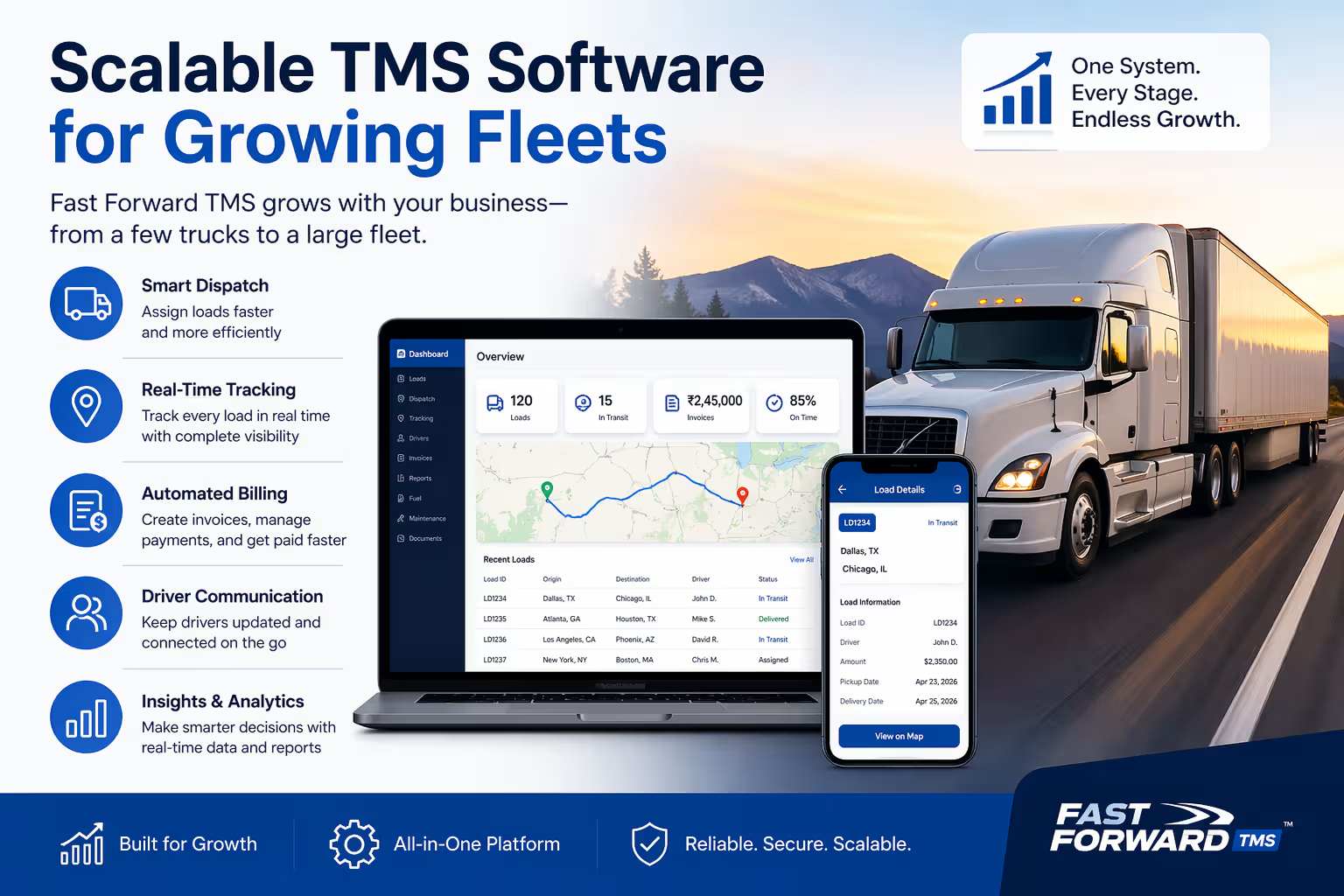
Fast Forward TMS is designed for real trucking operations, helping carriers simplify dispatch, improve visibility, and manage compliance from one connected system.
With 7+ years of TMS delivery experience and 18+ years of transportation technology expertise, the platform is trusted by 1,500+ carriers to streamline operations and reduce manual work.
What Makes Fast Forward TMS Different?
Built for Carrier Workflows
Designed specifically for trucking operations, aligning with how carriers manage dispatch, drivers, and loads in real life.
Simple and Easy to Use
Clean dashboards and intuitive workflows make it easy for teams to adopt without long training cycles.
Real-Time Tracking and Insights
Monitor vehicle location, fuel usage, and driver behavior in real time to make faster, data-driven decisions.
Driver-Centric Mobile App
Drivers receive updates, upload documents, and stay connected without constant calls, improving coordination.
Seamless Integrations
Connect with ELDs, accounting tools, and other systems to centralize operations and reduce data silos.
Scalable for Growing Fleets
Supports fleet expansion without increasing operational complexity or manual workload.
Reliable Support and Onboarding
Guided onboarding and responsive support ensure smooth implementation and consistent performance.
Fast Forward TMS helps carriers move from manual, fragmented operations to a centralized, data-driven system that improves efficiency, reduces costs, and supports long-term growth.
Future of Truck Tracking Software
The future of truck tracking software is shifting from basic location tracking to intelligent, data-driven fleet management.
Modern systems are evolving with technologies like AI, IoT, and real-time analytics, helping fleets predict delays, optimize routes dynamically, and improve overall performance.
In the coming years, tracking software for trucks will:
- Enable predictive maintenance to prevent breakdowns
- Detect unsafe driving behavior in real time
- Integrate deeply with dispatch, compliance, and financial systems
- Provide more accurate, real-time operational insights
As adoption grows, data security and regulatory compliance will remain critical. Fleets that invest in advanced truck tracker software will gain better visibility, lower costs, and stronger operational control.
Truck tracking software is evolving into a complete fleet intelligence system that helps carriers operate smarter, faster, and more efficiently.
Conclusion
Managing fleet operations today requires more than basic tracking. Rising fuel costs, stricter regulations, and the need for real-time visibility make truck tracking software essential for modern carriers.
With the right tracking software for trucks, fleets can shift from manual coordination to data-driven operations, improving route planning, driver performance, and overall efficiency. It also helps centralize tracking, compliance, and reporting, making operations easier to manage and scale.
For fleets looking to reduce costs, improve operational control, and gain real-time insights, truck tracking software is a valuable long-term investment. It not only enhances day-to-day efficiency but also supports consistent growth and better decision-making over time.
If you’re evaluating solutions, explore Fast Forward TMS to see how real-time tracking, automation, and integrated tools can simplify your fleet operations and improve overall performance.
Frequently Asked Questions (FAQs)
1. Can truck tracking software be used by small fleets and owner-operators?
Yes. Truck tracking software works for small fleets and owner-operators by providing real-time tracking, basic compliance support, and route visibility without complex setup. It can scale as the fleet grows.
2. Does truck tracking software help with compliance audits and inspections?
Yes. Truck tracking software stores digital records for driving hours, routes, and activity logs, making compliance data easier to review during audits. This reduces manual paperwork and helps fleets prepare for inspections more efficiently.
3. Is truck tracking software secure for fleet and driver data?
Yes. Truck tracking software typically uses secure cloud infrastructure, encrypted data, and role-based access. Fast Forward TMS follows standard data security practices to help protect fleet operations and driver information.
4. How long does it take to set up truck tracking software?
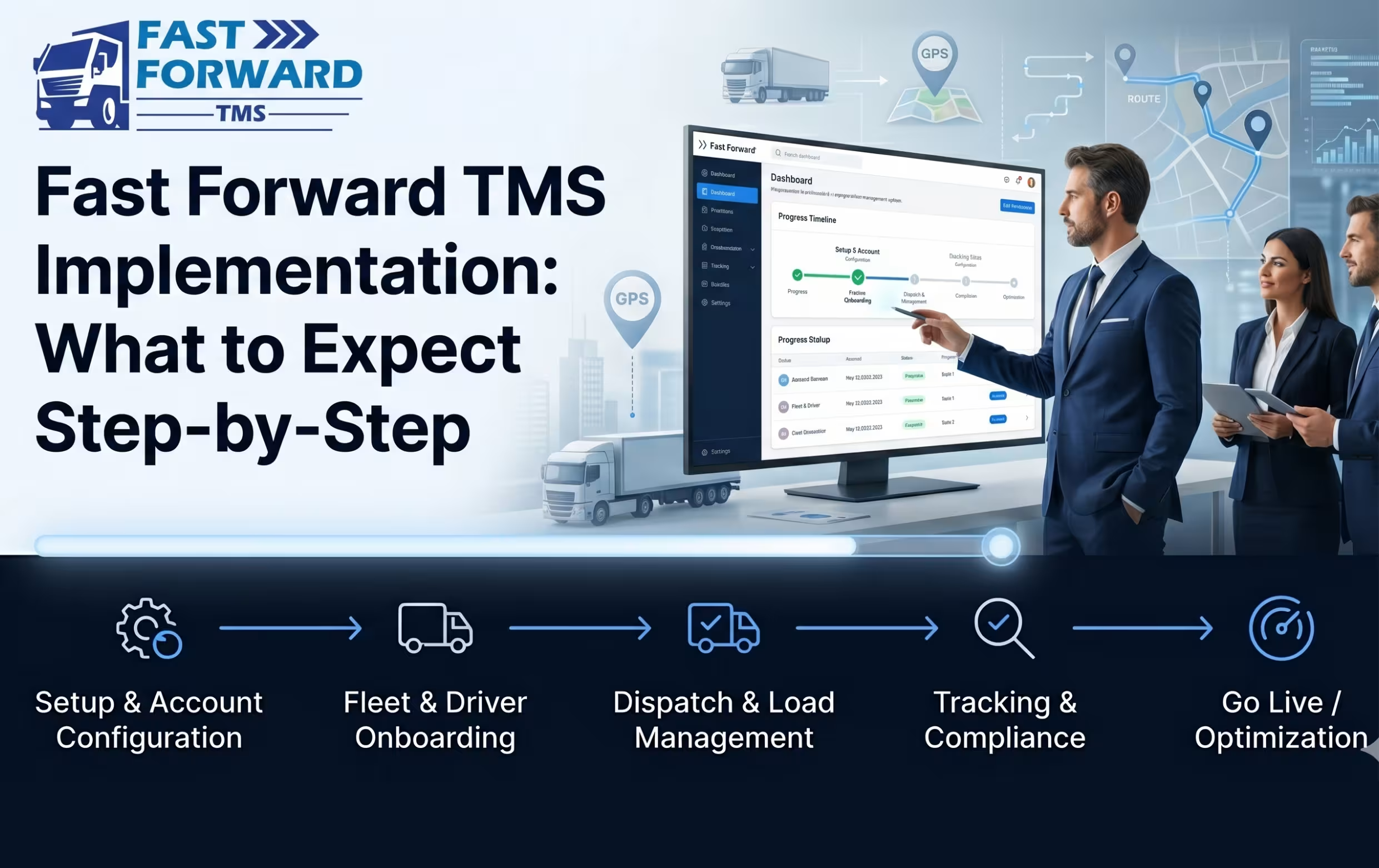
Basic setup can take a few days, depending on fleet size and integrations. With guided onboarding options available in platforms like Fast Forward TMS, fleets can begin tracking and monitoring operations quickly.
5. Can truck tracking software integrate with existing fleet systems?
Yes. Truck tracking software commonly integrates with Transportation Management Systems (TMS), ELD platforms, and accounting tools to centralize fleet operations.