
Introduction

The trucking industry is preparing for another major change. The Federal Motor Carrier Safety Administration is introducing the new FMCSA Motus system to replace older registration and identity systems used by carriers and transportation companies.
At first, many fleets may see this as just another compliance update. But smart carriers understand that system changes like this can affect daily operations if teams are not prepared early.
Issues such as login problems, delayed registrations, incomplete records, or unclear processes can create unnecessary delays in dispatch coordination and daily administrative tasks. That is why many carriers are already reviewing their compliance processes before the transition becomes fully active.
The FMCSA Motus transition also shows a bigger shift happening in the trucking industry. Compliance management is becoming more digital, more centralized, and more connected to daily fleet operations.
Carriers that prepare early are more likely to avoid disruptions, keep operations running smoothly, and adapt faster as industry requirements continue changing.
Key Takeaways
- The FMCSA Motus platform is replacing older FMCSA registration and identity systems.
- The Motus rollout highlights how trucking companies are increasingly moving toward technology-driven compliance management and more connected operational systems.
- Carriers that prepare early are more likely to avoid delays, workflow disruptions, and compliance-related issues.
- Common challenges may include account access problems, registration delays, and administrative confusion.
- Organized workflows and better operational visibility can help fleets adapt more smoothly during the transition.
- Technology-driven fleet operations are becoming increasingly important as compliance systems continue evolving.
- Staying proactive and operationally prepared can help carriers manage future industry changes more efficiently.
What Is FMCSA Motus System?
FMCSA Motus is the new registration and identity management platform introduced by the Federal Motor Carrier Safety Administration.
The system is being launched to replace older FMCSA registration platforms and modernize how carriers, brokers, and transportation companies manage their accounts and compliance-related activities.
The goal of the Motus platform is to create a more secure and organized digital system for the trucking industry.
Key Objectives of the FMCSA Motus Platform
The FMCSA Motus platform is designed to improve security, simplify registration workflows, strengthen identity verification, and replace outdated FMCSA systems with a more modern digital platform.
Stronger Identity Verification
FMCSA is increasing its focus on account security and user verification. This may help reduce fraud risks and improve account protection for carriers and transportation companies.
Simpler Registration Workflows
The new system is expected to make registration-related processes easier to manage compared to older legacy systems.
Better Digital Access Management
Carriers may see updates to login systems, account permissions, and user access controls under the Motus platform.
Replacing Older FMCSA Systems
Several older FMCSA systems are being phased out as the agency moves toward a more centralized digital environment.
Motus is also expected to replace parts of the FMCSA Portal and the Unified Registration System (URS) as FMCSA continues modernizing its registration environment.
Older FMCSA Systems vs FMCSA Motus System
| Older FMCSA Systems | FMCSA Motus Platform |
| Separate and outdated registration systems | More centralized registration management |
| Limited identity verification processes | Stronger account security and user verification |
| More manual administrative workflows | More streamlined digital workflows |
| Disconnected user access management | Improved account access control |
| Higher risk of workflow confusion during updates | Better organized digital management environment |
| Slower modernization of compliance operations | More modern and scalable compliance infrastructure |
Why This Matters for Carriers
The trucking industry now depends heavily on digital systems for compliance, registration management, safety monitoring, and operational coordination.
Because of this, changes to FMCSA systems can directly affect daily operations. Carriers that prepare early are usually better positioned to avoid delays, confusion, and unnecessary workflow disruptions during major system transitions.
Why Smart Carriers Are Preparing Early for the Motus Transition
The FMCSA Motus transition is not just a simple software update. For many carriers, it can directly affect registration management, compliance workflows, and day-to-day operations.
That is why many trucking companies are starting preparations early instead of waiting until the last minute.
Avoiding Last-Minute Problems
Many carriers wait until deadlines get close before taking action. This often creates avoidable issues like account access problems, registration delays, and workflow confusion.
Preparing early gives fleets more time to organize records, review processes, and solve problems before they affect operations.
Reducing Compliance Risks
As FMCSA systems become more digital, organized compliance management becomes more important.
Carriers that review account details, company records, and compliance documents early are less likely to face unnecessary delays during the transition.
Helping Teams Adjust More Easily
The Motus platform may introduce updated login systems, identity verification steps, and new administrative processes.
Preparing early gives dispatch teams, compliance managers, and office staff enough time to understand changes without adding pressure to daily operations.
Protecting Daily Fleet Operations
Even small administrative issues can create larger operational problems in the trucking industry.
Registration delays, account problems, or missing documentation can affect dispatch coordination, driver communication, and overall workflow efficiency.
Carriers that prepare early are usually better positioned to keep operations stable during the transition period.
Challenges Carriers May Face During the FMCSA Motus Transition
The FMCSA Motus platform is designed to improve and modernize carrier registration systems. However, like any major system change, the transition may create temporary challenges for some fleets.
Carriers that are not prepared could experience delays, confusion, or operational disruptions during the rollout period.
Account Access Problems
The new platform may include updated login systems and stronger identity verification requirements.
Carriers may need to verify user accounts, update credentials, and review administrative permissions to maintain uninterrupted access.
Registration Delays
Outdated company records or missing documentation can slow down registration-related processes during system transitions.
Fleets with unorganized compliance records may experience additional delays while updating information.
Administrative Confusion
Many trucking companies still rely on manual processes for compliance management and registration tasks.
When systems change, teams may need extra time to understand new workflows and updated procedures.
Increased Pressure on Internal Teams
Dispatch coordinators, compliance managers, and office staff may face additional workload during the transition period.
Without proper preparation, managing both daily operations and new compliance requirements at the same time can become difficult.
Who Will Be Most Affected by the FMCSA Motus Transition?
Not every carrier will experience the FMCSA Motus transition in the same way. Some fleets may face more operational and administrative challenges depending on how their current systems and workflows are managed.
Small and Growing Fleets
Smaller carriers often manage compliance and registration tasks with limited administrative support. Because of this, sudden system changes can create additional workload and operational pressure.
Carriers Using Manual Processes
Fleets still relying heavily on spreadsheets, paperwork, or disconnected systems may find it harder to adapt to updated digital workflows and verification requirements.
Teams With Unorganized Documentation
Missing records, outdated company information, or incomplete compliance documents can increase the risk of registration delays during the transition.
Companies Managing Multiple User Accounts
Larger fleets with multiple dispatchers, compliance managers, and administrative users may need additional time to review account permissions and access management under the new system.
How Technology Can Help Carriers During the Motus Transition
As trucking operations become more digital, many carriers are using technology to improve compliance management, organize workflows, and reduce administrative pressure.
The FMCSA Motus transition is another reminder that organized systems and better operational visibility are becoming increasingly important in the transportation industry.
Why Technology Matters During Compliance Changes
Modern fleet technology helps carriers stay organized, improve compliance management, reduce manual work, and handle operational changes more efficiently during transitions like FMCSA Motus.
Better Organization of Compliance Records
Managing compliance documents manually can become difficult during major system updates.
Digital systems help carriers organize driver records, company documents, registration details, and operational information more efficiently.
Improved Operational Visibility
Centralized systems give carriers better visibility into dispatch operations, driver coordination, and administrative workflows.
This helps teams stay more organized during operational or compliance-related changes.
Reduced Manual Administrative Work
Many fleets still spend significant time handling repetitive paperwork and manual data management.
Technology-driven workflows can help reduce administrative pressure and improve efficiency across daily operations.
Faster Internal Communication
During major industry changes, communication between dispatch teams, compliance managers, and office staff becomes extremely important.
Connected operational systems help reduce delays caused by disconnected workflows or missing information.
Supporting Long-Term Fleet Growth
The trucking industry is continuing to move toward digital operations, automated workflows, and centralized management systems.
Carriers investing in modern operational technology are often better prepared to adapt to future compliance changes and operational requirements.
What Smart Carriers Are Doing Before the FMCSA Motus Rollout
The FMCSA Motus transition is still developing, but smart carriers are not waiting until the last minute to prepare. Many fleets are already reviewing their systems, organizing compliance records, and improving operational workflows before the transition becomes more active.
Taking early action now can help carriers avoid delays, reduce confusion, and keep operations running smoothly later.
How Carriers Can Prepare Before the Transition Expands
Smart carriers preparing for the FMCSA Motus transition are focusing on account verification, organized documentation, workflow improvements, and stronger operational readiness.
Reviewing FMCSA Account Information Early
Carriers are starting by checking company account details, administrative access permissions, and user information to reduce the risk of account-related problems later.
Keeping FMCSA Portal Accounts Active
FMCSA has advised carriers to confirm that their FMCSA Portal account remains active before the Motus rollout. Accounts inactive for long periods may become disabled or archived, which could create access delays during the transition.
Organizing Compliance Documents
Updated registration records, insurance information, driver files, and company documents can help reduce delays during future verification or registration processes.
Improving Internal Workflows
Many fleets are reviewing manual paperwork and disconnected processes before the transition creates additional operational pressure.
More organized workflows can help teams adapt faster as systems continue changing.
Preparing Dispatch and Compliance Teams
Dispatch coordinators, compliance managers, and office staff may need to adjust to updated workflows and verification procedures.
Early preparation gives teams more time to understand changes without disrupting daily fleet operations.
Staying Updated on FMCSA Changes
The trucking industry continues evolving quickly, especially around compliance and digital operations.
Carriers that stay informed about FMCSA-related announcements are usually better prepared to respond early and avoid unnecessary operational disruptions.
You may also like to read: 2026 Trucking Regulations & Industry Outlook: What Carriers Must Prepare for Now
Final Thoughts
The FMCSA Motus transition is another sign that the trucking industry is becoming more digital and compliance-focused. Carriers that prepare early are more likely to avoid delays, reduce operational disruptions, and adapt more smoothly as FMCSA systems continue evolving.
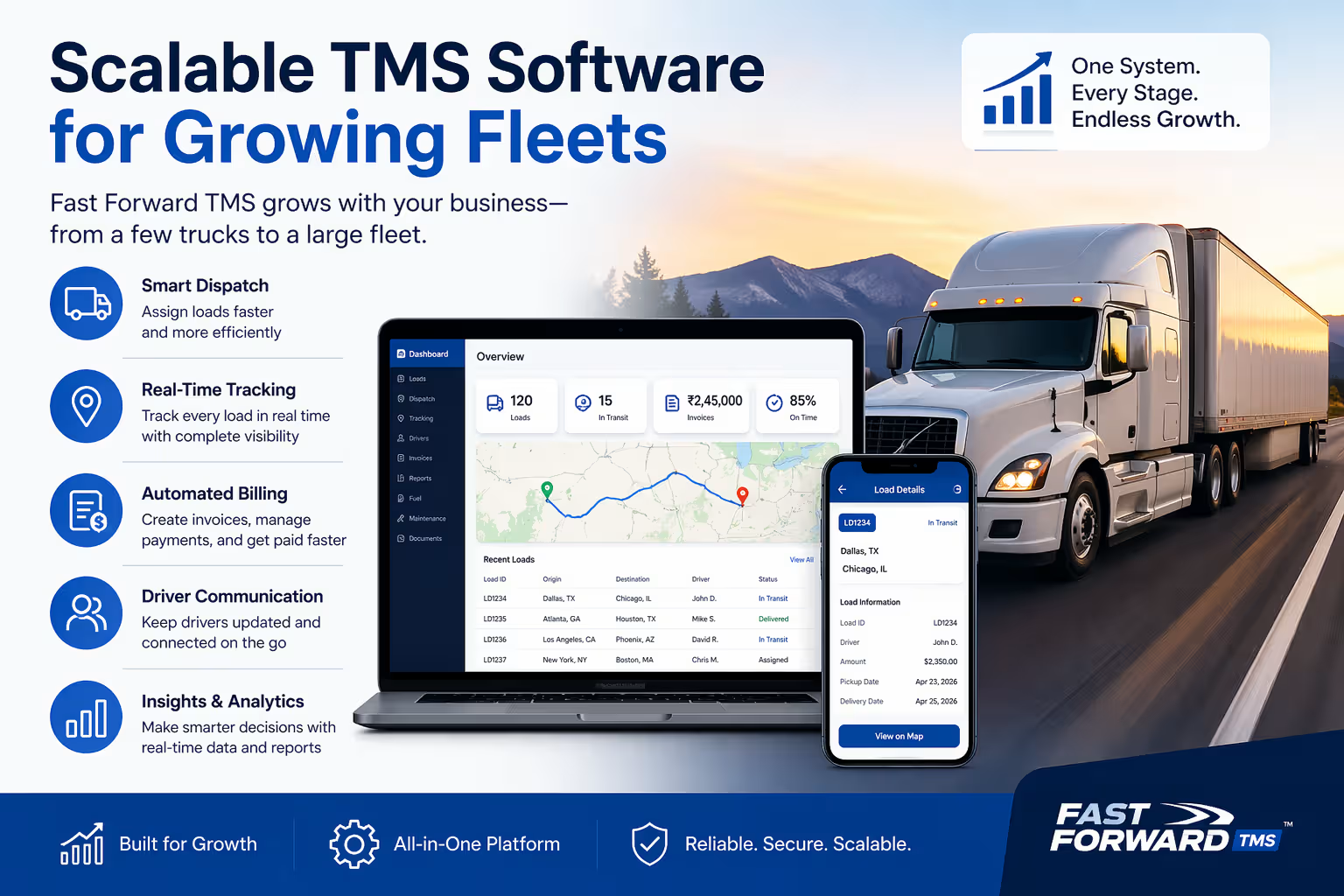
As fleets manage growing operational and compliance demands, centralized systems are becoming increasingly important. Fast Forward TMS helps carriers simplify dispatch operations, improve workflow visibility, reduce manual work, and manage fleet operations more efficiently from one platform.
With 7+ years delivering TMS solutions and 1,500+ companies trusting the platform, Fast Forward TMS continues supporting carriers in building more organized and scalable operations for the future.
Improve Fleet Efficiency With Modern TMS Software
Fast Forward TMS helps carriers streamline dispatch operations, reduce manual workload, and improve fleet visibility from one centralized platform.
Frequently Asked Questions About the FMCSA Motus Transition
What is the FMCSA Motus platform?
FMCSA Motus is the new registration and identity management platform introduced by the Federal Motor Carrier Safety Administration. The system is designed to replace older FMCSA registration systems and improve digital compliance management for carriers and transportation companies.
Why is the FMCSA introducing Motus?
The FMCSA is introducing Motus to modernize outdated systems, improve account security, strengthen identity verification, and simplify registration-related workflows for the trucking industry.
How can the Motus transition affect carriers?
The transition may affect account access, registration management, compliance workflows, and administrative processes. Carriers that are unprepared could face delays or operational disruptions during the rollout period.
Why are smart carriers preparing early for Motus?
Many carriers are preparing early to avoid last-minute registration issues, reduce compliance risks, and keep operations running smoothly as FMCSA systems continue changing.
What challenges may carriers face during the transition?
Some fleets may experience account verification issues, registration delays, workflow confusion, or increased administrative pressure if systems and records are not properly organized before the transition expands.
How can technology help carriers during the Motus transition?
Modern fleet technology can help carriers organize compliance records, improve operational visibility, reduce manual administrative work, and manage workflows more efficiently during major industry changes.
How can carriers prepare for the FMCSA Motus transition?
Carriers can prepare by reviewing FMCSA account information, organizing compliance documents, improving workflows, preparing internal teams, and staying updated on FMCSA announcements.