
Introduction
Introduction
Freight rate negotiation is one of the most time-consuming and operationally sensitive parts of carrier operations. Many trucking companies still rely on phone calls, emails, spreadsheets, and manual coordination to negotiate load offers, which often creates delays, missed opportunities, communication gaps, and higher operational costs.
As freight operations become more complex, carriers need faster and more structured ways to manage load assignments, pricing discussions, and driver coordination. This is where modern carrier TMS software helps streamline the entire negotiation workflow.
Modern transportation management systems allow dispatchers and drivers to manage load offers, counteroffers, approvals, and assignments within a centralized platform. This reduces operational delays, improves communication, and helps carriers make faster and more informed dispatch decisions.
AI-powered carrier TMS software also improves operational visibility through real-time communication, automated workflows, load tracking, and data-driven decision-making. These capabilities help trucking fleets reduce manual work, improve load utilization, and optimize operational efficiency at scale.
Supported by insights from Dr. Nitin Shankar, who brings over 18 years of experience in transportation management systems and carrier operations, this structured approach helps carriers improve operational control while scaling more efficiently.
In this blog, you’ll learn how load offer negotiation works in carrier TMS software, how AI improves freight negotiation workflows, and how trucking fleets use real-time transportation management systems to reduce costs, improve load utilization, and improve dispatch efficiency.
You May Also Read: Smarter Load Assignments with Real-Time Rate Negotiation
Key Takeaways
- Load offer negotiation in carrier TMS replaces slow, manual processes with a real-time and structured approach to freight rate negotiation.
- Carriers can reduce empty miles, lower fuel costs, and improve efficiency through smarter load matching.
- Real-time workflows make freight rate negotiation faster, more transparent, and easier to manage across teams.
- Data-driven insights help carriers improve pricing decisions and optimize profitability over time.
- AI and automation enhance freight rate negotiation by enabling faster approvals and better planning.
- Adopting platforms like Fast Forward TMS helps carriers scale operations with better control, fewer errors, and improved performance.
What Is Load Offer Negotiation in Carrier TMS
Load offer negotiation in carrier TMS software is a real-time digital workflow that allows dispatchers and drivers to negotiate freight rates, counteroffers, approvals, and load assignments within a centralized transportation management system.
Instead of relying on repeated phone calls, emails, or manual coordination, dispatchers can instantly send structured load offers containing route details, pickup schedules, delivery timelines, and freight rates. Drivers can review the offers, accept them, reject them, or submit counteroffers directly through the system.
This creates a faster and more transparent negotiation process where every interaction is tracked within a single platform. Both dispatchers and drivers operate with the same information, reducing communication gaps, operational delays, and negotiation errors.
Modern carrier TMS platforms also support real-time notifications, mobile driver communication, automated workflows, operational analytics, and AI-powered recommendations that help carriers improve load planning and dispatch efficiency.
For growing trucking fleets, load offer negotiation systems help simplify freight coordination, improve response times, reduce empty miles, and maintain better operational visibility across daily transportation workflows.
Related Blog:Introducing Load Offer Negotiation: A Game-Changer in Carrier TMS Software
Why Manual Freight Negotiation Slows Carrier Operations
Many trucking companies still manage freight rate negotiation through phone calls, text messages, spreadsheets, and disconnected communication channels. While this process may work for smaller operations initially, it often creates significant operational bottlenecks as fleets grow.
Dispatchers frequently spend valuable time making repeated calls, waiting for driver responses, updating rate details manually, and coordinating load assignments across multiple systems. This slows down decision-making and reduces overall dispatch efficiency.
Manual freight negotiation also increases the risk of communication gaps, missed load opportunities, delayed approvals, and inaccurate rate tracking. During peak operational hours, these inefficiencies can create dispatch backlogs that impact driver productivity and customer service performance.
Without centralized visibility, carriers often struggle to track negotiation history, monitor operational performance, or analyze pricing decisions effectively. This lack of structured workflows makes it harder to optimize profitability and maintain consistency across fleet operations.
Manual coordination can also contribute to higher operational costs. Delayed load assignments may increase empty miles, reduce truck utilization, and create unnecessary fuel expenses. Over time, these inefficiencies directly impact operational scalability and profit margins.
Modern carrier TMS software solves these challenges by centralizing communication, automating negotiation workflows, and enabling real-time collaboration between dispatchers and drivers. This allows trucking companies to manage freight negotiations faster, improve operational visibility, and scale dispatch operations more efficiently.
How Load Offer Negotiation in Carrier TMS Works
Modern carrier TMS software uses a structured and real-time workflow to simplify freight rate negotiation and reduce manual coordination across dispatch operations. Instead of relying on disconnected communication methods, carriers can manage the entire negotiation process within a centralized transportation management system.
Dispatchers Create and Send Load Offers
Dispatchers create load offers by entering key shipment details such as freight rates, pickup and delivery locations, route information, schedules, and operational instructions. This ensures drivers receive accurate and standardized information from the beginning of the negotiation process.
Real-time dispatch management tools also help carriers quickly identify available drivers, nearby trucks, and suitable routes before sending load offers.
Drivers Receive Load Offers Instantly
Drivers receive load offers directly through mobile apps or driver communication interfaces connected to the carrier TMS platform. This allows drivers to review routes, schedules, estimated earnings, and operational details in real time without relying on repeated phone calls or manual updates.
Instant notifications improve response times and help reduce delays in load assignments.
Real-Time Counteroffers and Freight Negotiation
If drivers want revised pricing or schedule adjustments, they can submit counteroffers directly through the transportation management system. Dispatchers can review, approve, reject, or modify the request instantly.
This real-time negotiation workflow significantly reduces delays compared to traditional freight negotiation methods that rely heavily on calls, emails, or manual coordination.
Final Approval and Automated Load Assignment
Once both parties agree on pricing and load terms, the carrier TMS software confirms the negotiation and automatically updates the load assignment workflow.
Automated approvals help carriers reduce operational delays, improve dispatch efficiency, and maintain better coordination across fleet operations.
Centralized Tracking and Operational Visibility
Every stage of the negotiation process is recorded within the system, including offers, counteroffers, approvals, and assignment updates. This centralized visibility helps carriers improve transparency, reduce disputes, monitor operational performance, and analyze freight negotiation trends over time.
With structured negotiation workflows, trucking companies can improve load planning, reduce administrative overhead, and scale dispatch operations more efficiently.
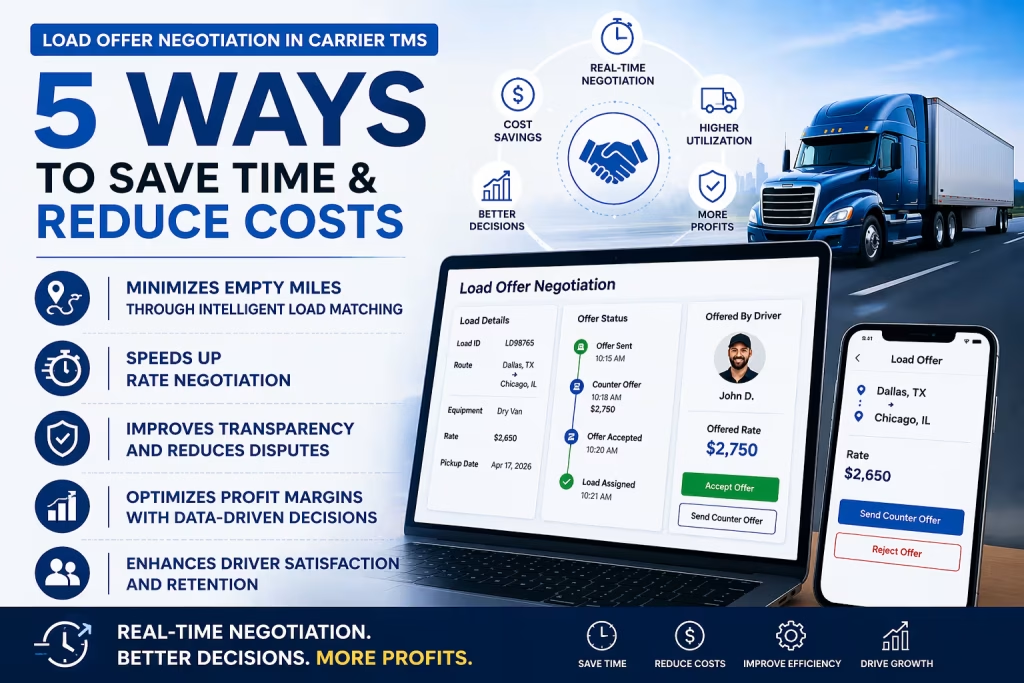
5 Ways Load Negotiation Helps Carriers Save Time and Reduce Costs
Real-time load negotiation workflows help trucking companies improve dispatch efficiency, reduce operational delays, and optimize overall fleet performance. By replacing manual coordination with structured transportation management workflows, carriers can manage freight operations faster and more efficiently.
1. Reduces Empty Miles Through Smarter Load Matching
Carrier TMS software helps dispatchers identify nearby loads based on driver availability, route preferences, truck capacity, and operational schedules. This improves load planning and reduces empty miles across fleet operations.
Better load matching also helps carriers lower fuel costs, improve truck utilization, and increase operational profitability.
2. Speeds Up Freight Rate Negotiation
Traditional freight negotiation often involves repeated phone calls, delayed responses, and manual coordination between dispatchers and drivers. Real-time negotiation workflows simplify this process by enabling instant communication inside a centralized transportation management system.
Dispatchers can send offers immediately, drivers can respond faster, and approvals can happen within seconds instead of extended back-and-forth conversations.
3. Improves Operational Transparency
Every load offer, counteroffer, approval, and communication update is recorded within the carrier TMS platform. This creates a transparent operational workflow that reduces misunderstandings, improves accountability, and simplifies load tracking across dispatch operations.
Centralized visibility also helps carriers analyze negotiation history and maintain better operational control.
4. Supports Better Pricing and Profitability Decisions
Modern transportation management systems provide access to operational analytics, historical rate trends, fuel cost insights, and lane performance data. These insights help carriers make more informed pricing decisions during freight negotiation.
Instead of relying only on manual judgment, dispatch teams can use data-driven insights to improve profit margins while remaining competitive in the freight market.
5. Improves Driver Experience and Retention
Real-time load negotiation gives drivers more visibility into available freight opportunities, payment expectations, and route details. Drivers can review offers directly through mobile interfaces and participate more actively in the negotiation process.
Improved communication and faster load coordination help reduce operational frustration, improve driver satisfaction, and support long-term driver retention across growing trucking fleets.
Key Features to Look for in Load Negotiation Software
Not all carrier TMS platforms provide the same level of load negotiation functionality. To improve dispatch efficiency and reduce operational bottlenecks, trucking companies should look for transportation management systems that support real-time communication, centralized visibility, and automated negotiation workflows.
Real-Time Load Offer Management
Modern load negotiation software should allow dispatchers to create, send, modify, and approve load offers instantly. Real-time workflows help carriers reduce delays and improve overall dispatch coordination.
Driver Mobile App Integration
Mobile driver communication is essential for faster freight negotiation. Drivers should be able to review offers, submit counteroffers, accept assignments, and receive notifications directly through a mobile app or driver portal.
Counteroffer and Approval Workflows
Effective carrier TMS software should support structured counteroffer management with real-time approval workflows. This helps carriers simplify negotiation processes while maintaining better operational control.
Centralized Dispatch Visibility
Dispatchers need access to load statuses, driver availability, route information, and negotiation history within a single platform. Centralized visibility improves operational decision-making and reduces communication gaps.
AI-Powered Load Recommendations
AI-driven transportation management systems can analyze operational data, driver availability, route performance, and historical pricing trends to recommend more efficient load assignments and negotiation strategies.
Automated Tracking and Record Management
Load negotiation software should automatically track offers, approvals, communication updates, and operational changes. This improves transparency, reduces disputes, and simplifies performance analysis across dispatch workflows.
Operational Analytics and Reporting
Advanced carrier TMS platforms provide reporting tools that help carriers monitor load profitability, negotiation efficiency, driver performance, and operational trends. These insights support better long-term planning and operational optimization.
Integration With Dispatch and Fleet Operations
Load negotiation workflows should integrate seamlessly with dispatch management, billing, fleet tracking, driver payroll software, and transportation reporting systems. Integrated operations help carriers reduce manual work and improve operational scalability.
How AI Improves Load Offer Negotiation in Carrier TMS
AI-powered carrier TMS software helps trucking companies improve freight negotiation workflows through faster analysis, automated decision support, and real-time operational intelligence. Instead of replacing dispatchers, AI strengthens operational decision-making by reducing manual effort and improving response speed across transportation workflows.
AI-Powered Freight Rate Analysis
Modern transportation management systems use AI to analyze historical freight rates, lane performance, fuel costs, seasonal demand patterns, and operational trends. These insights help carriers recommend more competitive and profitable pricing during load negotiations.
This allows dispatchers to make faster rate decisions while maintaining better operational margins.
Intelligent Load Matching
AI helps carriers match available drivers and trucks with the most suitable freight loads based on real-time location, availability, route preferences, equipment type, and operational history.
Smarter load matching improves truck utilization, reduces empty miles, and increases dispatch efficiency across fleet operations.
Automated Approval Workflows
AI-driven carrier TMS platforms can automate routine negotiation approvals based on predefined business rules, operational thresholds, and pricing conditions. More complex negotiations or exceptions can automatically be escalated for manual review.
This helps dispatch teams reduce repetitive tasks and accelerate operational workflows.
Predictive Operational Planning
AI systems can identify future freight demand patterns, lane pricing trends, operational risks, and scheduling challenges before they impact carrier operations. Predictive insights help trucking companies negotiate more strategically and improve long-term operational planning.
Faster Decision-Making Across Dispatch Operations
AI-powered workflows reduce the time required to analyze freight opportunities, compare pricing scenarios, and coordinate load assignments. Dispatchers gain faster access to operational insights, helping them respond more efficiently during high-volume freight operations.
As transportation operations continue becoming more data-driven, AI-powered load negotiation systems are helping carriers improve operational speed, reduce inefficiencies, and scale dispatch operations more effectively.
Real-World Example of Load Offer Negotiation in Carrier TMS
A mid-sized trucking company operating more than 100 trucks was experiencing frequent delays in freight rate negotiation due to manual communication and disconnected dispatch workflows. Dispatchers relied heavily on phone calls, spreadsheets, and repeated follow-ups to coordinate load offers and approvals.
During peak operational hours, negotiation delays often slowed down dispatch decisions and increased truck idle time. In many cases, freight negotiation for a single load took between 15 to 20 minutes, reducing overall fleet productivity and limiting the number of daily load assignments.
To improve operational efficiency, the carrier implemented a real-time load negotiation workflow through carrier TMS software.
After moving to a centralized transportation management system, dispatchers could instantly send digital load offers containing route information, schedules, and pricing details. Drivers received notifications in real time and could review, accept, reject, or submit counteroffers directly through the platform.
This structured workflow significantly improved communication speed and reduced operational bottlenecks across dispatch operations.
Operational Improvements After Implementation
- Faster negotiation cycles through instant offers and counteroffers
- Reduced truck idle time with quicker load assignments
- Improved load acceptance rates through real-time driver communication
- Better operational visibility with centralized tracking and reporting
- Reduced empty miles through improved load matching workflows
- Higher dispatch efficiency with fewer manual coordination tasks
By replacing manual freight negotiation with structured digital workflows, the carrier improved operational speed, reduced administrative overhead, and created a more scalable dispatch management process.
Why Real-Time Negotiation Matters for Growing Fleets
As trucking companies expand operations, managing freight negotiation manually becomes increasingly difficult. Growing fleets often handle higher shipment volumes, larger driver networks, more complex routes, and tighter delivery schedules, making operational speed and coordination far more critical.
Without structured negotiation workflows, dispatch teams may struggle to manage communication efficiently across multiple drivers, loads, brokers, and operational schedules. This can lead to slower approvals, delayed load assignments, increased empty miles, and reduced fleet productivity.
Real-time load negotiation helps growing carriers maintain operational control by centralizing communication and accelerating dispatch workflows within a single transportation management system.
Faster Dispatch Coordination
Real-time communication allows dispatchers and drivers to exchange load offers, counteroffers, and approvals instantly. Faster coordination reduces operational delays and helps fleets move trucks more efficiently across active routes.
Better Visibility Across Fleet Operations
Centralized transportation management systems provide real-time insights into load statuses, driver availability, operational schedules, and freight negotiation activity. This visibility helps carriers improve planning and respond more effectively to operational changes.
Reduced Administrative Workloads
As fleets grow, manual coordination often creates operational bottlenecks for dispatch teams. Automated negotiation workflows reduce repetitive communication tasks and simplify load management across daily operations.
Improved Scalability and Operational Consistency
Structured load negotiation workflows help carriers maintain consistent operational processes even as shipment volumes increase. Standardized communication and centralized tracking improve coordination across dispatch teams, drivers, and operational managers.
Stronger Profitability Management
Real-time negotiation systems help carriers respond faster to freight opportunities, optimize truck utilization, and reduce unnecessary operational costs. Better decision-making and improved load coordination directly support long-term operational profitability.
For growing trucking fleets, real-time load negotiation is no longer just an operational convenience. It has become an important part of building scalable, efficient, and technology-driven carrier operations.
Why Carriers Use Fast Forward TMS for Load Offer Negotiation
Fast Forward TMS helps trucking companies simplify freight negotiation workflows through real-time communication, centralized dispatch visibility, and structured transportation management processes. The platform is designed to help carriers reduce operational delays, improve coordination, and manage growing fleet operations more efficiently.
Simplified Dispatch and Negotiation Workflows
Fast Forward TMS reduces dependency on spreadsheets, repeated calls, and disconnected communication channels by centralizing load negotiation within a single carrier TMS platform.
Dispatchers can create load offers, manage counteroffers, approve assignments, and track negotiation activity in real time without relying on manual coordination methods.
Real-Time Communication Between Dispatchers and Drivers
The platform enables instant communication across dispatch operations through real-time load offer management and driver communication tools. Drivers can review offers, respond faster, and receive operational updates directly through connected workflows.
This helps carriers improve response times and reduce delays in freight coordination.
Centralized Operational Visibility
Fast Forward TMS provides carriers with centralized access to load statuses, negotiation history, operational performance, driver availability, and dispatch activity through a unified transportation management system.
Improved visibility helps trucking companies make faster operational decisions and maintain better control across fleet operations.
Scalable Transportation Management Workflows
The platform is designed to support growing trucking fleets by simplifying onboarding, improving workflow standardization, and reducing operational complexity across dispatch operations.
Structured workflows help carriers scale operations more efficiently without disrupting existing transportation processes.
AI-Driven Operational Efficiency
Fast Forward TMS supports modern transportation workflows through automation, operational analytics, and AI-powered decision support. These capabilities help carriers optimize load assignments, improve freight negotiation efficiency, and reduce operational bottlenecks.
Industry Experience and Carrier-Focused Operations
Fast Forward TMS is backed by years of transportation technology experience and operational expertise focused specifically on carrier workflows, dispatch management, fleet coordination, and trucking operations.
The platform is built to help carriers improve operational efficiency while adapting to modern freight management challenges and evolving transportation demands.
Future of AI-Powered Load Negotiation in Trucking
Freight negotiation is rapidly evolving from manual coordination toward AI-powered and data-driven transportation workflows. As trucking operations become more complex, carriers are increasingly adopting intelligent transportation management systems to improve operational speed, reduce inefficiencies, and respond faster to changing freight demands.
Modern carrier TMS software is already transforming how dispatchers manage load offers, pricing decisions, and driver coordination through automation and real-time operational visibility. In the coming years, AI-driven negotiation systems are expected to play an even larger role across trucking operations.
Predictive Freight Pricing
AI-powered transportation management systems will increasingly use market trends, lane demand, seasonal freight patterns, and fuel cost analysis to predict more competitive freight pricing strategies in real time.
This will help carriers make faster and more profitable negotiation decisions while improving pricing consistency across operations.
Automated Negotiation Workflows
Future carrier TMS platforms will continue reducing manual coordination through automated approvals, intelligent load recommendations, and rule-based negotiation workflows. Dispatchers will spend less time managing repetitive communication tasks and more time focusing on operational planning.
Smarter Dispatch Optimization
AI will improve dispatch operations by analyzing real-time operational data such as truck locations, driver availability, route conditions, delivery schedules, and shipment priorities. These insights will help carriers improve fleet utilization and reduce operational delays.
Real-Time Operational Intelligence
Advanced transportation management systems will provide carriers with deeper operational visibility through predictive analytics, live reporting, and AI-powered performance monitoring. This will allow trucking companies to identify operational risks earlier and make faster strategic decisions.
Improved Driver and Dispatcher Collaboration
Real-time communication tools and intelligent workflow automation will continue improving coordination between dispatch teams and drivers. Faster communication and structured negotiation processes will help reduce operational friction across growing fleet operations.
Scalable Technology-Driven Carrier Operations
As freight markets become more competitive, carriers adopting AI-powered transportation management systems will gain stronger operational scalability, faster decision-making capabilities, and better long-term efficiency.
For modern trucking companies, AI-powered load negotiation is becoming more than a technology upgrade. It is increasingly shaping the future of scalable, efficient, and data-driven carrier operations.
Conclusion
Load offer negotiation in carrier TMS software helps trucking companies improve dispatch efficiency, reduce operational delays, and simplify freight coordination through real-time communication and centralized workflows.
By replacing manual calls, spreadsheets, and disconnected processes, carriers can reduce empty miles, improve load utilization, accelerate rate negotiation, and make faster operational decisions across fleet operations.
AI-powered transportation management systems further improve load negotiation through smarter load matching, automated workflows, and data-driven operational insights.
As trucking operations continue becoming more complex, real-time load negotiation is becoming an essential part of scalable and efficient carrier operations. Fast Forward TMS helps carriers simplify negotiation workflows, improve operational visibility, and manage fleet operations more efficiently.

FAQ
What is load offer negotiation in carrier TMS?
Load offer negotiation in carrier TMS is a digital process where dispatchers and drivers negotiate freight rates in real time within a centralized system. It replaces manual communication methods like calls and emails, making the process faster and more transparent.
How does load offer negotiation help carriers save time?
It reduces delays by enabling instant communication between dispatchers and drivers. Offers, counteroffers, and approvals happen in real time, significantly speeding up load assignment and decision-making.
How does load offer negotiation reduce costs?
It helps reduce empty miles, optimize load assignments, and improve fuel efficiency. Better negotiation and data-driven decisions also contribute to improved profit margins.
Does load offer negotiation replace dispatchers?
No, it supports dispatchers by automating repetitive tasks and providing data insights. Final decisions are still made by dispatchers or managers.
What features are important in load negotiation software?
Key features include real-time communication, counteroffer management, automated tracking, data insights, and integration with dispatch and tracking systems.