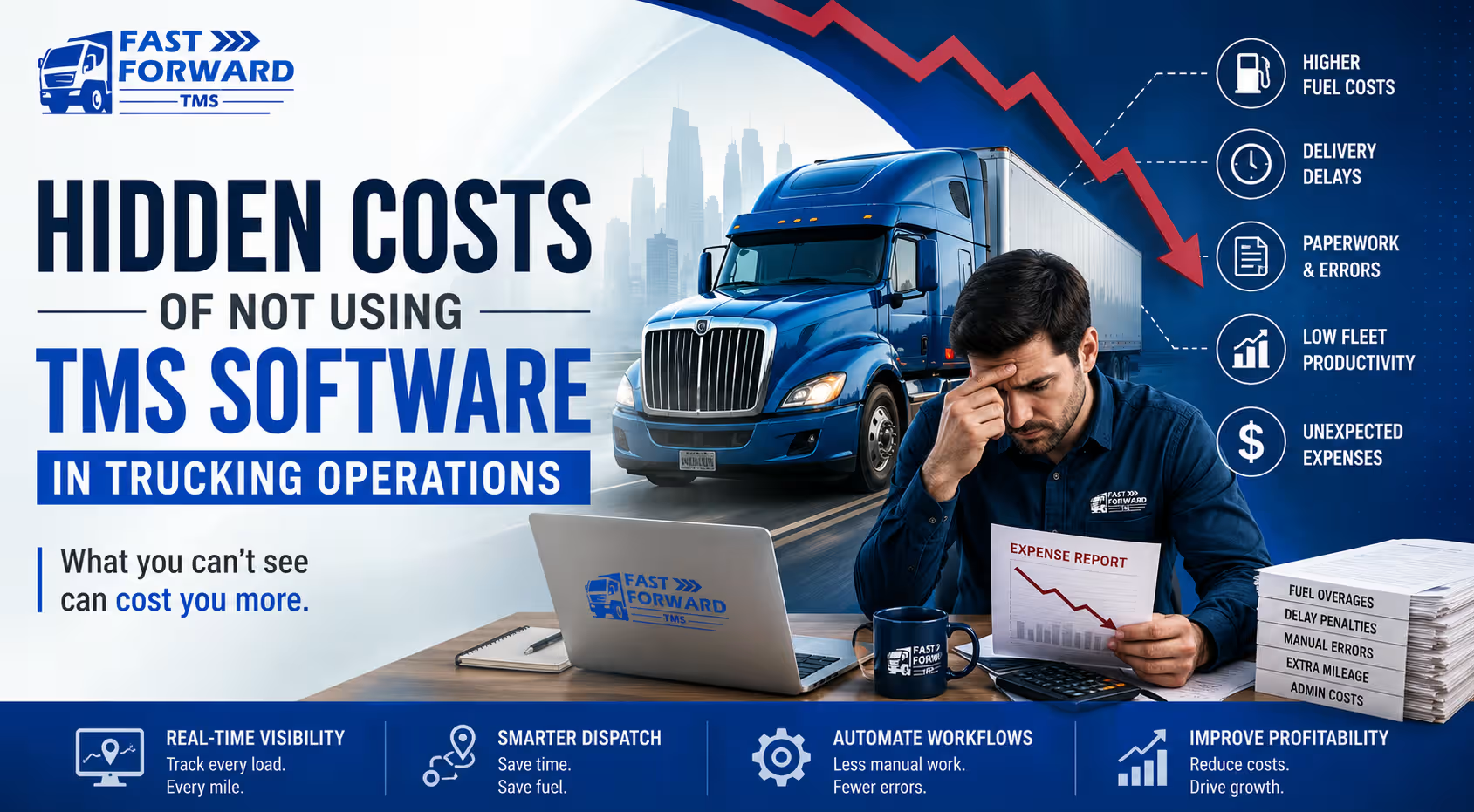

Introduction:
Fleet operations are becoming more difficult and expensive to manage. Rising fuel costs, driver shortages, delayed communication, compliance pressure, and increasing customer expectations are forcing carriers to improve operational efficiency.
Many trucking companies still rely on manual dispatching, disconnected systems, spreadsheets, and constant phone coordination, which often leads to delays, higher operating costs, billing inefficiencies, and poor fleet visibility. Manual fleet coordination can also create dispatch delays, missed updates, and inefficient resource utilization for growing carriers.
This is why more carriers are adopting a fleet transportation management system (TMS). A modern TMS helps automate dispatching, route planning, tracking, billing, compliance, and driver communication within a single platform.
With real-time visibility and workflow automation, carriers can improve fleet productivity, reduce unnecessary costs, and manage transportation operations more efficiently.
Key Takeaways
- A fleet transportation management system helps carriers automate dispatching, tracking, billing, compliance, and transportation workflows.
- Real-time visibility and route optimization improve fleet productivity and operational efficiency.
- Automated dispatching and driver management help reduce idle time, delays, and labor costs.
- Preventive maintenance and performance analytics support lower operating costs and better vehicle utilization.
- Transportation management software improves communication, operational visibility, and overall fleet coordination.
- Solutions like Fast Forward TMS help carriers streamline operations and scale fleet management more efficiently.
How a Transport Management System Improves Fleet Productivity for Carriers
Fleet productivity depends on how efficiently carriers manage dispatching, drivers, routes, communication, and daily operations. A modern fleet transportation management system helps automate these workflows, improve visibility, and reduce operational delays.
Real-Time Visibility and Fleet Tracking
Real-time visibility helps carriers monitor trucks, drivers, and shipments throughout operations. With GPS tracking and telematics integration, dispatchers can respond quickly to delays, route changes, and disruptions while improving communication and delivery accuracy.
Automated Dispatch and Smart Load Assignment
A transportation management system automates dispatching and load assignment based on driver availability, location, and delivery priorities. This helps reduce idle time, improve truck utilization, and speed up dispatch operations.
Driver Scheduling, Workload Management, and Compliance
A TMS helps carriers manage driver schedules, balance workloads, and maintain Hours-of-Service (HOS) compliance. Better scheduling improves driver utilization while reducing downtime and operational conflicts.
Driver Behavior and Performance Insights
Real-time driver insights help carriers monitor fuel usage, idle time, route adherence, and driving behavior. These insights support safer driving habits and improve overall fleet efficiency.
Proactive Maintenance and Reduced Downtime
A fleet transportation management system supports preventive maintenance through automated service scheduling and real-time maintenance alerts. This helps reduce unexpected breakdowns and improve vehicle reliability.
Automated Billing, Invoicing, and Documentation
Automation simplifies invoicing, compliance documentation, payroll coordination, and proof of delivery processes. This reduces paperwork, improves cash flow, and saves administrative time.
Seamless Integration with Core Fleet Systems
A modern multi-carrier transport management system integrates with ELDs, accounting software, telematics platforms, and load boards. Centralized data improves coordination, reporting accuracy, and operational visibility.
How a Transport Management System Cuts Fleet Operating Costs and Maximizes ROI
Reducing operating costs is a major priority for carriers in today’s transportation industry. A fleet transportation management system helps improve efficiency, reduce waste, and optimize resource utilization across fleet operations.
Fuel Efficiency and Smarter Dispatching
Fuel costs can significantly impact fleet profitability. A TMS helps carriers optimize routes, reduce idle time, minimize empty miles, and improve dispatch planning to lower fuel expenses.
Preventive Maintenance for Lower Costs
Preventive maintenance helps carriers avoid expensive repairs and unexpected vehicle breakdowns. Automated maintenance scheduling and early issue detection improve vehicle lifespan and operational reliability.
Back-Office Automation to Save Time and Money
A transportation management system automates invoicing, payroll, compliance tracking, and documentation workflows. This reduces manual work, minimizes errors, and improves coordination between operational teams.
Smarter Driver Utilization and Labor Savings
A TMS improves driver scheduling and assignment planning to reduce idle time and overtime expenses. Better driver utilization supports higher productivity and lower labor costs.
Minimized Delays and Service Interruptions
Real-time alerts and dynamic routing help carriers respond quickly to traffic, weather disruptions, and operational delays. This improves delivery consistency and reduces costly service interruptions.
Data-Driven Decisions for Better Vendor Contracts
Performance analytics help carriers evaluate operational costs, identify inefficiencies, and negotiate better vendor and carrier agreements using real-time operational data.
Leaner Inventory and Supply Chain Management
Real-time shipment visibility helps businesses improve inventory planning, reduce storage costs, and maintain better coordination across transportation and supply chain operations.
How Fast Forward TMS Helps Carriers Cut Costs and Boost Fleet Efficiency
Fast Forward TMS helps carriers improve operational efficiency through automation, real-time visibility, and centralized fleet management tools.
The platform combines dispatching, tracking, billing, compliance workflows, driver communication, and operational reporting within a single system. This helps carriers reduce manual coordination, improve truck utilization, and manage transportation operations more efficiently.
Key capabilities include fuel management tools, geo-location-based dispatching, load offer negotiation, automated billing workflows, real-time tracking, and performance analytics.
With more than 18 years of transportation technology expertise and adoption by 1,500+ carriers, Fast Forward TMS provides a scalable solution for modern fleet operations.
Conclusion
Transportation operations are becoming more complex, making efficiency and cost control essential for long-term growth. A modern fleet transportation management system helps carriers improve visibility, automate workflows, reduce operational costs, and increase overall fleet productivity.
By using real-time tracking, smarter dispatching, automated billing, and performance insights, carriers can streamline operations and improve decision-making across their business.
Solutions like Fast Forward TMS provide the automation and operational visibility carriers need to manage fleet operations more efficiently in today’s competitive transportation industry.
As carrier operations continue to evolve, transportation businesses that invest in automation and real-time fleet management technology will be better positioned for long-term operational growth and profitability.
FAQs
What is a fleet transportation management system?
A fleet transportation management system is software that helps carriers manage dispatching, tracking, billing, driver communication, and transportation operations from a centralized platform.
How does a TMS reduce transportation costs?
A TMS helps reduce costs through route optimization, fuel efficiency, automation, preventive maintenance, and improved driver utilization.
How does a TMS improve fleet productivity?
A transportation management system improves productivity through real-time tracking, automated dispatching, faster communication, and operational visibility.
Is a TMS suitable for small trucking companies?
Yes, a TMS is scalable and can help both small and large trucking companies improve efficiency and reduce manual work.
What is a multi-carrier transport management system?
A multi-carrier transport management system allows businesses to manage multiple carriers, shipments, and transportation workflows from a single platform.