
Introduction
AI in trucking is transforming how carriers manage dispatching, routing, maintenance, safety, and daily fleet operations. From predictive analytics to intelligent automation, modern trucking companies are using AI-powered technologies to improve efficiency, reduce operational costs, and make faster business decisions.
Imagine a truck that predicts maintenance issues before a breakdown happens, helps drivers avoid traffic in real time, and supports dispatchers with smarter load decisions instantly. That’s the reality of modern AI-powered trucking operations.
Across the logistics industry, carriers are adopting AI-powered tools to reduce fuel costs, minimize empty miles, improve driver safety, automate manual workflows, and increase operational visibility. Rising freight competition, tighter delivery schedules, and growing compliance requirements are accelerating the shift toward smarter fleet management.
From route optimization and predictive maintenance to AI-assisted dispatching and operational analytics, transportation management systems are helping fleets operate more efficiently and profitably.
Key Takeaways
- AI in trucking helps carriers improve dispatching, routing, maintenance, safety, and overall fleet efficiency.
- AI-powered route optimization reduces fuel costs, delays, and empty miles across trucking operations.
- Predictive maintenance helps fleets identify vehicle issues early and reduce unexpected breakdowns.
- AI-powered safety systems improve driver monitoring, collision prevention, and operational safety.
- Automated workflows and operational analytics help carriers reduce manual work and improve productivity.
- Cloud-based transportation management systems help fleets improve visibility and scale operations more efficiently.
- Carriers adopting AI-powered trucking technologies are better positioned to improve operational control and long-term profitability.
AI in Trucking: How Artificial Intelligence Is Transforming Fleet Operations
Artificial intelligence is transforming how modern carriers manage dispatching, routing, maintenance, safety, and daily fleet operations. AI-powered trucking technologies help transportation companies reduce operational costs, improve efficiency, and make faster data-driven decisions across logistics workflows.
Modern fleets generate large amounts of operational data every day, including GPS tracking, fuel usage, driver behavior, maintenance records, and delivery schedules. AI-powered systems analyze this data in real time to identify patterns, improve fleet visibility, and support smarter operational planning.
From intelligent route optimization and predictive maintenance to automated dispatch workflows and driver safety analytics, AI in trucking is helping carriers reduce manual work, minimize delays, and improve overall fleet performance.
AI-Powered Route Optimization and Load Planning
Fuel costs, traffic delays, and empty miles continue to impact profitability across the trucking industry. AI-powered route optimization helps carriers improve efficiency by analyzing real-time traffic conditions, weather updates, delivery schedules, and driver availability to create smarter and more efficient routes.
Unlike traditional route planning, AI-powered systems continuously adjust routes using live operational data. This helps carriers reduce delays, improve on-time deliveries, lower fuel consumption, and minimize unnecessary mileage across daily fleet operations.
Route Optimization With Real-Time Intelligence
Modern routing systems use real-time data to help dispatchers avoid traffic congestion, road restrictions, weather disruptions, and high-delay areas. This improves delivery accuracy while helping fleets operate more efficiently.
Load Planning and Fleet Efficiency
AI-driven load planning helps carriers assign loads more effectively based on truck capacity, route availability, trailer type, and delivery priorities. Better load planning reduces empty miles, improves truck utilization, and supports overall fleet productivity.
Predictive Maintenance: Fixing Problems Before They Happen
Unexpected breakdowns can lead to delivery delays, higher repair costs, and lost revenue for carriers. Predictive maintenance helps trucking companies identify potential vehicle issues early by using AI-powered analytics and real-time diagnostic data.
Modern trucks generate continuous operational data related to engine performance, oil pressure, brake systems, tire conditions, fuel efficiency, and vehicle health. AI-powered systems analyze this information to detect unusual patterns and identify maintenance risks before a major failure occurs.
Engine Health and Vehicle Diagnostics
AI-powered diagnostic systems help fleet managers monitor vehicle performance in real time. By identifying warning signs early, carriers can schedule repairs before problems become more expensive and disruptive.
This improves vehicle reliability, reduces downtime, and helps fleets maintain more consistent operations across long-haul and regional routes.
Smarter Maintenance Scheduling
Traditional maintenance schedules often rely on fixed service intervals, which may lead to unnecessary servicing or delayed repairs. Predictive maintenance systems use real-time vehicle data and usage patterns to create more accurate maintenance schedules based on actual truck conditions.
This helps carriers reduce unexpected breakdowns, lower maintenance costs, and improve overall fleet uptime.
Advanced Driver Assistance Systems (ADAS) and Safety Analytics
Safety remains one of the biggest priorities in the trucking industry. AI-powered Advanced Driver Assistance Systems (ADAS) help carriers improve road safety by monitoring driving conditions, identifying potential risks, and supporting drivers with real-time alerts.
Modern ADAS technologies include lane departure warnings, adaptive cruise control, collision alerts, blind-spot monitoring, and automatic emergency braking. These systems help drivers respond faster to changing road conditions while reducing accident risks across daily fleet operations.
Driver Behavior and Fatigue Monitoring
AI-powered safety systems can monitor driver behavior patterns such as harsh braking, speeding, distracted driving, sudden lane changes, and fatigue indicators. Real-time alerts help drivers correct unsafe behavior before it leads to accidents or compliance issues.
Fleet managers can also use safety analytics to improve driver coaching, strengthen compliance efforts, and promote safer driving habits across the fleet.
Collision Prevention and Risk Analytics
AI-driven safety analytics continuously analyze road conditions, braking activity, traffic movement, and vehicle positioning to identify potential collision risks. These systems help carriers reduce accident exposure, improve operational safety, and protect both drivers and freight during transportation.
Autonomous and Semi-Autonomous Trucking
Automation is becoming an important part of modern trucking operations. While fully autonomous trucks are still evolving, semi-autonomous trucking technologies are already helping carriers improve safety, reduce driver fatigue, and increase operational efficiency across long-haul transportation.
AI-powered trucking systems can assist drivers with steering, braking, lane control, speed adjustments, and adaptive cruise management during highway operations. These technologies help drivers maintain better vehicle control while improving fuel efficiency and reducing operational stress during long trips.
Semi-Autonomous Operations in Modern Fleets
Many carriers are adopting semi-autonomous features to support drivers during repetitive highway driving conditions. These systems help reduce fatigue by assisting with routine driving tasks while drivers remain actively involved in vehicle supervision and decision-making.
By combining human expertise with AI-powered automation, fleets can improve operational consistency while maintaining safer transportation workflows.
The Future of Smart Freight Mobility
As trucking technology continues to evolve, AI-powered automation is expected to play a larger role in route planning, fleet coordination, safety monitoring, and operational efficiency. Carriers adopting intelligent transportation technologies early are better positioned to improve scalability, reduce costs, and adapt to changing logistics demands.
AI in Back-Office and Operational Automation
Beyond dispatching and fleet operations, AI is also transforming back-office workflows across the trucking industry. Carriers manage large volumes of invoices, rate confirmations, bills of lading, driver settlements, compliance records, and operational paperwork every day. AI-powered automation helps reduce manual workload, improve accuracy, and speed up administrative processes.
Modern transportation management systems use AI-powered tools to organize operational data, automate repetitive tasks, and improve communication between dispatchers, drivers, brokers, and accounting teams.
Smart Document Processing and Compliance
AI-powered document processing systems can extract information from invoices, load confirmations, proof of delivery documents, and compliance records automatically. These tools help carriers reduce manual data entry errors while improving operational visibility and document accuracy.
Automated compliance monitoring also helps fleets track permits, driver records, insurance documents, and regulatory deadlines more efficiently.
AI Assistants for Scheduling and Analytics
AI-powered analytics tools help dispatchers and fleet managers monitor operational performance, track delivery trends, improve scheduling decisions, and identify inefficiencies across daily trucking operations.
By automating administrative workflows and improving operational insights, carriers can reduce processing delays, improve productivity, and focus more on profitable fleet operations.
Key Benefits of AI in the Trucking Industry
AI in trucking is helping carriers improve operational efficiency, reduce manual work, strengthen safety monitoring, and make faster business decisions across fleet operations. From dispatch automation to predictive analytics, AI-powered trucking technologies are helping transportation companies operate more efficiently in a highly competitive freight market.
Improved Safety and Driver Monitoring
AI-powered safety systems help carriers monitor driver behavior, detect fatigue risks, track unsafe driving patterns, and improve overall road safety. Features like collision alerts, lane monitoring, and real-time driver analytics help fleets reduce accident risks while supporting safer transportation operations.
Better Operational Efficiency
AI-powered route optimization, automated dispatch workflows, and predictive maintenance systems help carriers reduce delays, lower fuel costs, minimize empty miles, and improve truck utilization. These technologies also help dispatchers and fleet managers make faster operational decisions using real-time fleet data.
Reduced Manual Work and Administrative Delays
Modern trucking companies manage large amounts of operational paperwork every day. AI-powered automation helps carriers process invoices, compliance records, proof of delivery documents, and driver settlements more efficiently while reducing manual data entry and administrative workload.
Stronger Sustainability and Fuel Optimization
By improving route planning and reducing unnecessary mileage, AI-powered trucking operations help carriers lower fuel consumption and improve overall fleet sustainability. Better load planning and operational visibility also help fleets reduce wasted resources across daily transportation workflows.
Challenges of Adopting AI in the Trucking Industry
While AI-powered trucking technologies offer major operational benefits, many carriers still face challenges during implementation. Adopting AI in trucking often requires investments in technology infrastructure, workforce training, data management, and operational process changes.
Technology Integration and System Compatibility
Many carriers still rely on older software systems and disconnected operational tools. Integrating AI-powered solutions with existing transportation management systems, telematics platforms, and fleet software can sometimes be complex and time-consuming.
A phased implementation approach often helps carriers adopt automation more smoothly while minimizing operational disruptions.
Workforce Training and Operational Adoption
AI-powered systems can change how dispatchers, drivers, and fleet managers handle daily operations. Carriers may need additional training programs to help teams understand new workflows, analytics tools, and automation processes.
Successful AI adoption depends on combining operational experience with technology-driven decision-making.
Data Security and Compliance Concerns
As fleets rely more on cloud-based transportation management systems and connected fleet technologies, protecting operational and driver data becomes increasingly important. Carriers must ensure their systems follow strong security practices and industry compliance standards to reduce cybersecurity risks and protect sensitive information.
Why Fast Forward TMS Supports Smarter Trucking Operations
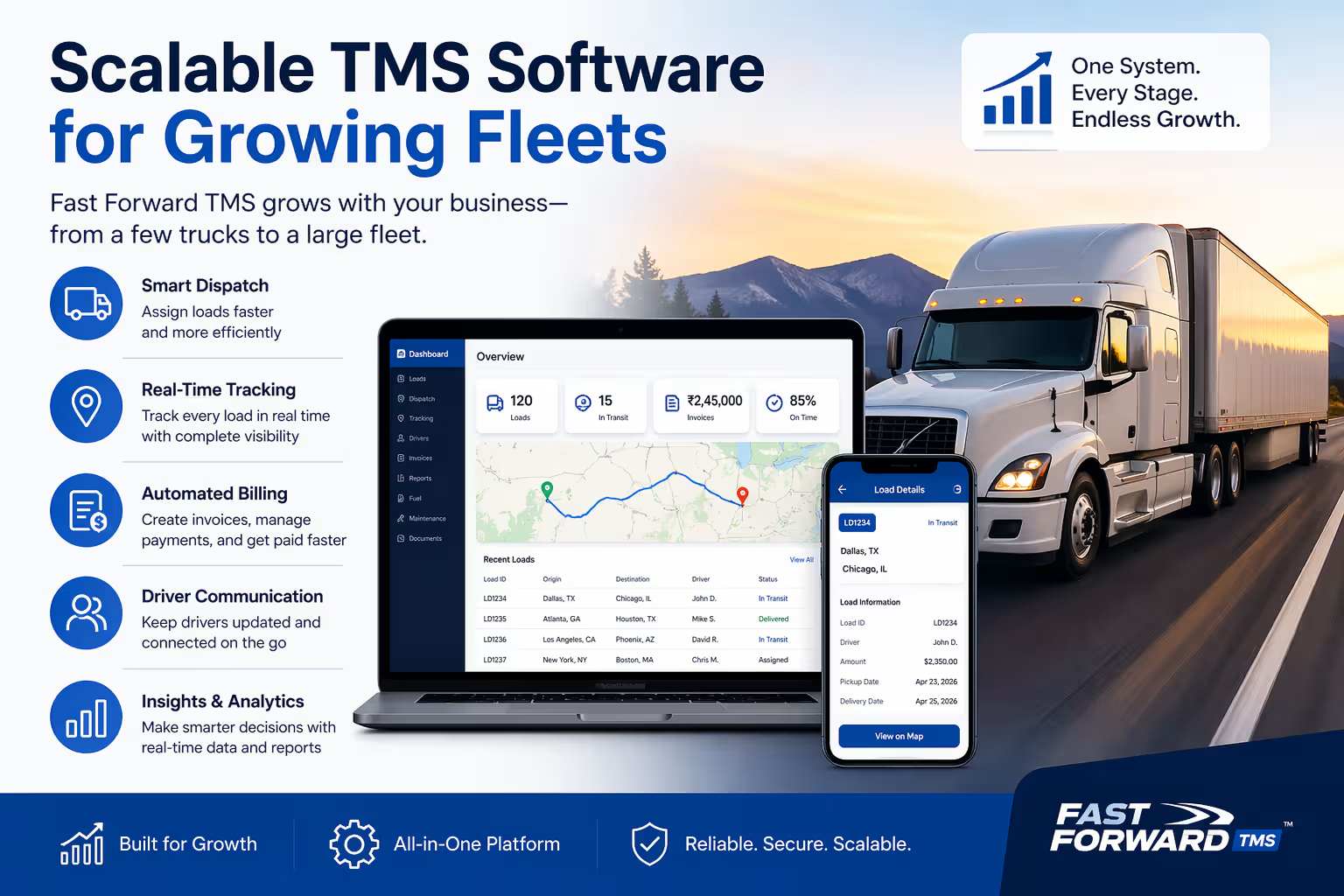
Fast Forward TMS helps carriers simplify dispatching, reduce manual work, and improve visibility across daily trucking operations through cloud-based transportation management software.
Built specifically for carrier workflows, the platform combines dispatch management, load tracking, driver management, workflow automation, and real-time operational analytics within a centralized system designed for modern fleet operations.
Designed Around Real Carrier Challenges
Fast Forward TMS helps carriers manage load scheduling, driver coordination, operational tracking, settlements, and communication more efficiently. Features like smart geo-location matching, driver mobile access, workflow automation, and real-time fleet visibility help reduce delays and improve operational control across dispatch workflows.
The platform is designed to support faster load coordination, smoother driver communication, improved dispatch visibility, and better operational management without increasing administrative complexity. By centralizing daily trucking workflows within a single system, carriers can reduce delays, improve efficiency, and maintain better control across fleet operations.
Trusted by more than 1,500 transportation companies, Fast Forward TMS is built using years of logistics and carrier operations experience focused on improving dispatch efficiency and reducing manual workload.
Scalable Cloud-Based Fleet Management
As fleets grow, managing operations manually becomes more difficult. Fast Forward TMS provides centralized fleet visibility and operational automation that helps carriers improve productivity while scaling operations more efficiently.
By combining dispatch automation, operational analytics, and carrier-focused workflows, the platform helps transportation companies operate more efficiently while maintaining better control across daily logistics operations.
Conclusion
AI in trucking is changing how carriers manage dispatching, routing, maintenance, safety, and daily fleet operations. From predictive maintenance and intelligent route optimization to automated workflows and real-time analytics, AI-powered technologies are helping transportation companies improve efficiency, reduce operational costs, and make faster business decisions.
As freight operations become more competitive, carriers are increasingly adopting trucking automation software and transportation management systems to improve visibility, reduce manual workload, and optimize overall fleet performance.
By combining operational experience with AI-powered fleet technology, transportation companies can build smarter, safer, and more scalable trucking operations while improving long-term operational efficiency and profitability.
For carriers looking to simplify dispatch workflows, improve operational visibility, and automate daily trucking operations, Fast Forward TMS provides a scalable cloud-based transportation management solution designed specifically for modern fleet operations.
Ready to improve dispatch efficiency and streamline daily trucking operations?
Explore how Fast Forward TMS helps carriers simplify fleet management, reduce manual work, and improve operational visibility with cloud-based transportation management software.
FAQ
In what ways is AI reshaping the trucking industry?
AI in trucking helps carriers improve dispatching, route optimization, predictive maintenance, driver safety monitoring, and operational automation. These technologies help transportation companies reduce operational costs, improve efficiency, and make faster data-driven decisions.
What is AI-powered dispatching in trucking?
AI-powered dispatching uses real-time operational data, driver availability, route conditions, and load requirements to help carriers assign loads more efficiently and reduce delays across trucking operations.
Can AI help reduce trucking operational costs?
Yes, AI-powered trucking technologies help carriers reduce fuel consumption, minimize empty miles, lower maintenance expenses, and automate repetitive administrative workflows, helping improve overall operational efficiency.
Can AI help reduce truck maintenance costs?
Yes, AI lowers maintenance costs by using predictive analytics to monitor engine and sensor data in real time. This detects potential issues early, enabling proactive repairs, reducing breakdowns, and saving money.
How does predictive maintenance work in trucking?
Predictive maintenance systems use AI-powered analytics and real-time vehicle diagnostics to identify potential mechanical issues before breakdowns occur. This helps carriers reduce downtime and improve fleet reliability.
How does AI improve trucking safety?
AI-powered safety systems help monitor driver behavior, detect fatigue risks, provide collision alerts, and improve real-time road safety monitoring across fleet operations.
Why are carriers adopting AI-powered trucking software?
Carriers are adopting AI-powered trucking software to improve operational visibility, automate workflows, reduce manual work, improve dispatch efficiency, and manage growing logistics operations more effectively.