

Introduction
In 2025, trucking companies face rising fuel costs, stricter compliance rules, and higher customer expectations for real-time tracking. Manual tools like spreadsheets slow operations and increase risk.
A Transport Management System (TMS) helps carriers manage dispatch, tracking, billing, and compliance in one platform. This guide explains what a TMS is, how it works, and why carriers use TMS software to improve fleet efficiency.
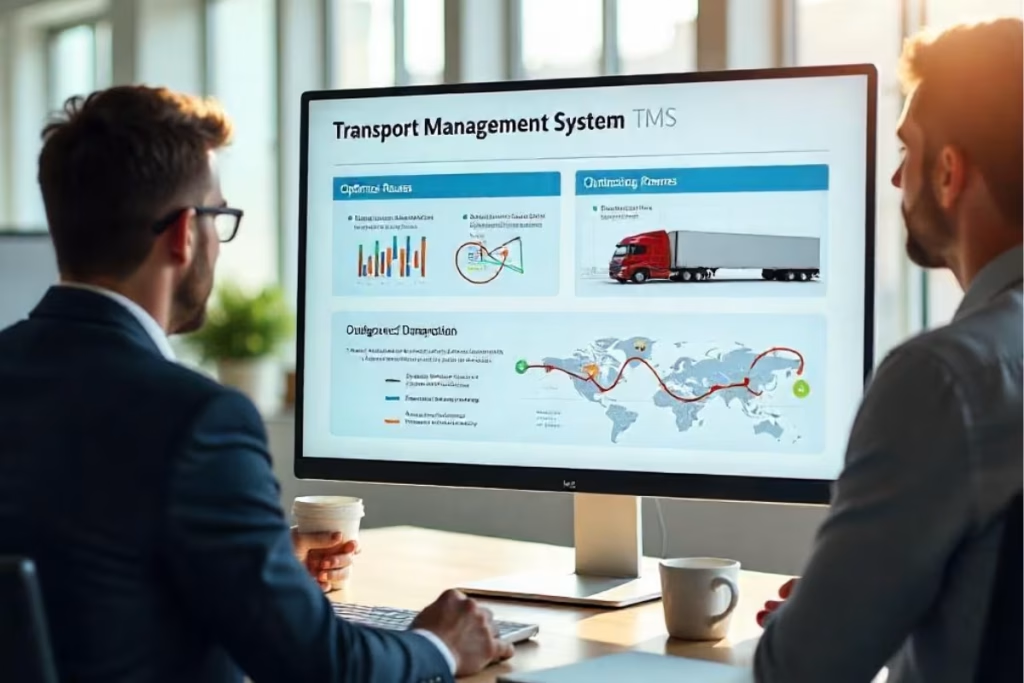
Key Takeaways: Transport Management System
- A Transport Management System (TMS) helps trucking carriers manage dispatch, tracking, billing, and compliance from one platform.
- TMS software reduces manual work, improves fleet visibility, and supports better decision-making in daily operations.
- Carriers use a TMS to lower fuel costs, reduce empty miles, and improve on-time deliveries.
- Cloud-based TMS solutions are scalable and suitable for both small and growing trucking fleets.
- Choosing the right TMS depends on ease of use, integrations, scalability, and compliance support.
- Fast Forward TMS is built specifically for carriers, offering mobile tools, real-time tracking, and streamlined workflows for efficient fleet management.
What Is a Transport Management System (TMS) in Trucking?
A Transport Management System (TMS) is software that helps trucking companies manage daily operations like load scheduling, dispatch, shipment tracking, and compliance. By replacing manual work, a TMS improves efficiency, visibility, and control across trucking operations. Fast Forward TMS is one example of a carrier-focused TMS designed to support these core trucking needs in a single platform.
Also Read – Transport Management System (TMS) for Carriers: Features, Benefits, and Best Practices [2025 Guide]
Types of Transport Management System (TMS)
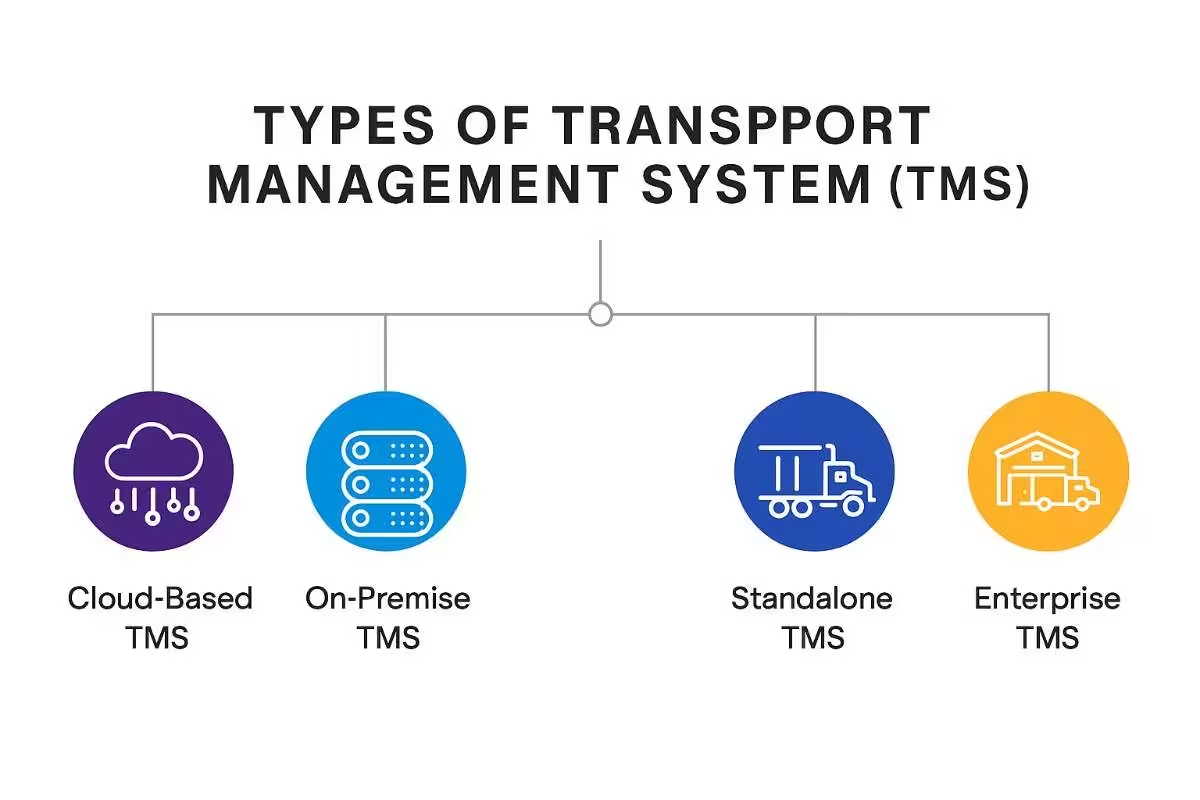
There are different types of Transport Management Systems (TMS) used in trucking, depending on fleet size and business needs:
- Cloud-Based TMS – Runs online and can be accessed from anywhere. It is easy to scale, update automatically, and works well for growing trucking fleets.
- On-Premises TMS – Installed on local servers and managed by an internal IT team. It offers more control but needs higher setup and maintenance effort.
- Standalone TMS – Focuses only on core trucking tasks like dispatch, tracking, and billing. It works independently but may limit system integration.
- Enterprise TMS – Connects with ERP and WMS systems to support large, complex logistics operations with higher coordination needs.
Also Read: Cloud-Based vs. On-Premise TMS: How to Choose the Right One
Why Transport Management Systems Are Important
A Transport Management System (TMS) is important because it helps trucking companies manage dispatch, tracking, and compliance in one system. It provides real-time visibility, reduces empty miles, and helps control fuel costs. According to Nucleus Research, TMS software can reduce transportation costs by 15%, lower demurrage costs by 47%, cut fuel usage by 12%, and improve load completion times by up to 50%, making fleet operations more efficient and reliable.
How Transport Management System Works: Step-by-Step Guide
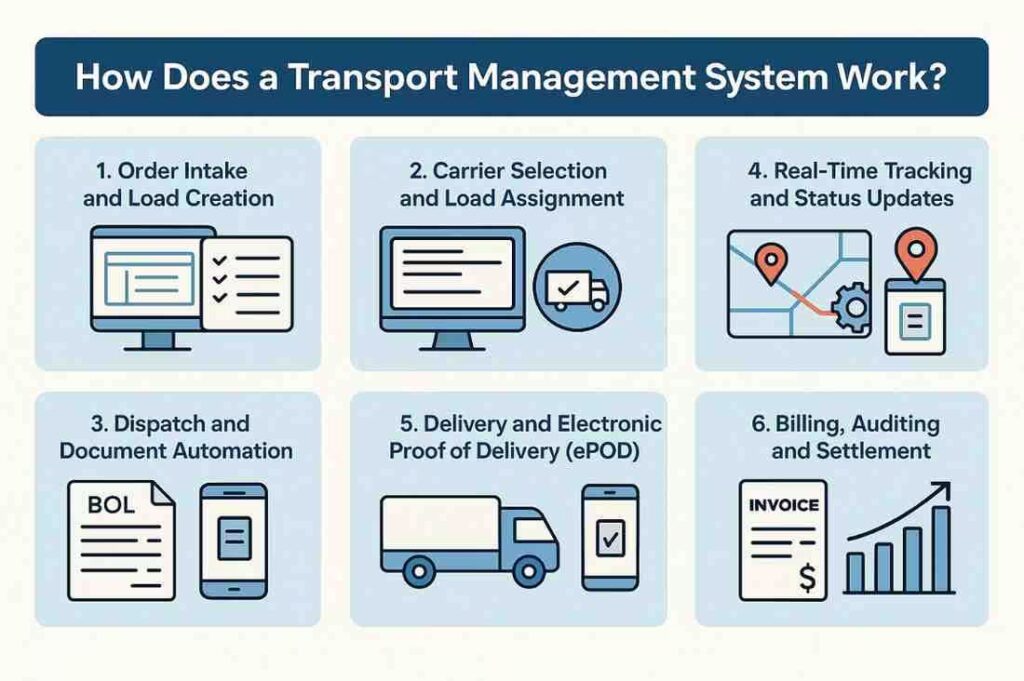
A Transport Management System (TMS) manages the full trucking process from order creation to billing. It uses automation and real-time data to improve efficiency, accuracy, and visibility across freight operations.
Order Intake and Load Creation
Orders are created directly in the TMS or synced from connected systems. Shipment details like pickup, delivery location, cargo type, and timelines are captured automatically, reducing manual errors.
Carrier Selection and Load Assignment
The TMS assigns loads to the best driver or carrier based on availability, location, and past performance. This helps dispatchers make faster and more accurate load decisions.
Dispatch and Document Automation
Once a load is assigned, the TMS generates digital documents such as bills of lading and trip details. Dispatchers share this information instantly with drivers through mobile apps.
Real-Time Tracking and Status Updates
GPS tracking and mobile updates provide live visibility into truck location and shipment status. Dispatchers and customers receive timely updates from pickup to delivery.
Delivery and Electronic Proof of Delivery (ePOD)
Drivers submit electronic proof of delivery using the TMS mobile app. This confirms delivery, reduces paperwork, and speeds up payment processing.
Billing, Auditing, and Settlement
The TMS verifies freight charges, creates invoices, and syncs with accounting systems. This reduces billing errors and saves time on manual settlement tasks.
Analytics and Operational Insights
The system tracks data such as miles driven, delivery time, fuel usage, and driver performance. TMS Analytics Dashboards help carriers monitor KPIs and improve fleet efficiency.
Key Features of a Modern Carrier-Focused Transport Management System

A modern Transport Management System (TMS) helps carriers manage dispatch, tracking, compliance, and billing from one platform. These features support efficient, compliant, and scalable trucking operations.
Load Planning and Dispatch Management
The TMS assigns loads based on driver availability, location, and Hours of Service (HOS). Drag-and-drop dispatch tools help teams schedule loads faster and reduce delays.
Smart Load Offer Negotiation
Dispatchers send load offers with rates directly to drivers. Drivers can accept, reject, or counter offers in real time, improving pricing speed and transparency.
Fleet and Driver Management
The system tracks vehicle status, maintenance schedules, and driver availability. It also monitors licenses and certifications to support compliance and reduce downtime.
Live GPS Tracking and Status Visibility
Real-time GPS tracking shows truck locations and shipment status. Automated ETAs and alerts improve visibility for dispatchers and customers.
Driver Mobile Application
Drivers use a mobile app to view loads, upload documents, and communicate with dispatch. Electronic proof of delivery (ePOD) reduces paperwork and delays.
Billing, Payroll, and Freight Settlement
The TMS automates invoicing based on completed trips and agreed rates. It integrates with payroll systems to ensure accurate and timely driver payments.
Digital Document and Compliance Management
All documents like BOLs, ePODs, permits, and fuel receipts are stored digitally. The system generates HOS and IFTA reports to support regulatory compliance.
Performance Analytics and Reporting
Dashboards track KPIs such as on-time delivery, fuel usage, cost per mile, and driver performance. This helps carriers make data-driven decisions.
System Integration and Scalability
The TMS integrates with ELDs, accounting software, ERP, and WMS systems. It supports multi-location fleets and scales easily as operations grow.
Also Read – Top 10 Features of Trucking Management System Software: TMS Features Explained
Why Carriers Need a TMS for Trucking and Fleet Efficiency
Carriers today manage multi-stop routes, rising costs, and strict compliance rules. A Transport Management System (TMS) helps trucking companies run daily operations more efficiently by improving dispatch control, reducing errors, and increasing fleet visibility.
Key Challenges Solved by a TMS
Multi-Stop Load Planning and Driver Availability
A TMS automates dispatch using real-time driver availability and route data. This helps carriers reduce delays and manage complex multi-stop loads more effectively.
Deadhead Mile Reduction
By matching backhauls and consolidating shipments, TMS software reduces empty miles and improves fuel efficiency.
Live GPS and Real-Time Tracking
Real-time GPS tracking provides accurate location updates and ETAs. This improves on-time deliveries and shipment coordination.
Compliance and Risk Mitigation
A TMS automates HOS, ELD, and IFTA reporting. This helps carriers stay compliant and avoid costly penalties.
Admin and Billing Automation
Digital BOLs and automated invoicing reduce manual billing work and improve accuracy.
Improved Driver and Customer Experience
Driver mobile apps simplify load updates and ePOD uploads, while real-time visibility improves customer communication and satisfaction.
Top Benefits of a TMS Transport System for Trucking Fleets
A TMS transport system helps trucking fleets manage operations more efficiently. It improves dispatch control, increases visibility, and supports better decision-making across fleet operations.
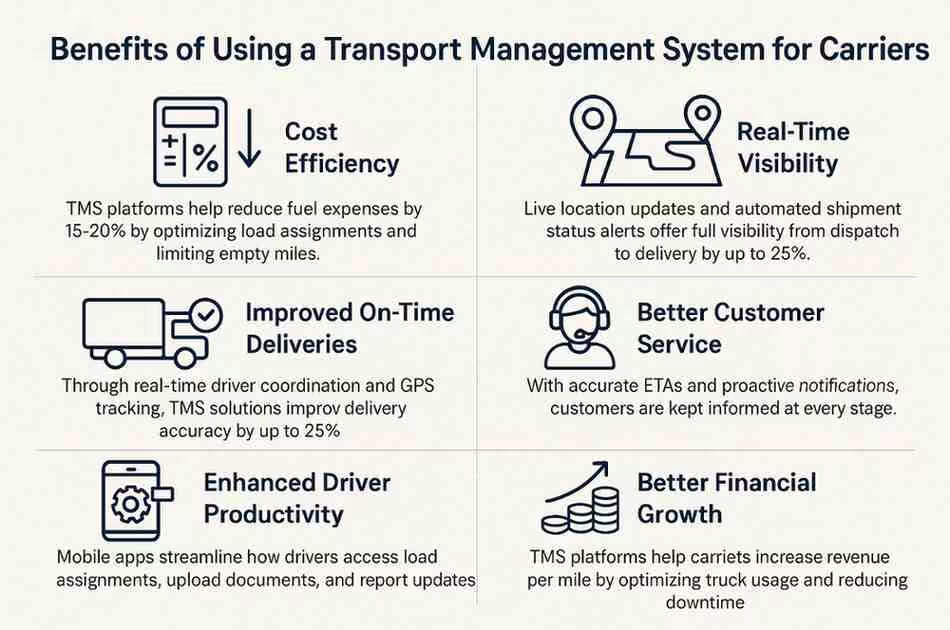
Cost Efficiency
A Transport Management System reduces fuel costs by optimizing loads and limiting empty miles. Automated billing also cuts manual admin work.
Improved On-Time Deliveries
Real-time dispatch coordination and GPS tracking help carriers deliver loads more accurately and on schedule.
Real-Time Visibility
Live tracking and shipment updates give full visibility from dispatch to delivery, helping teams respond quickly to delays.
Better Customer Service
Accurate ETAs and proactive alerts keep customers informed and reduce status calls.
Enhanced Driver Productivity
Driver mobile apps simplify load access, document uploads, and communication, reducing idle time.
Data-Driven Decisions
Dashboards track key metrics like fuel usage, delivery time, and cost per mile to improve planning.
Better Financial Performance
By improving truck utilization and reducing downtime, TMS software helps increase revenue per mile.
Also Read – Top 10 Benefits of Using TMS for Carriers in 2025
How to Choose the Right Transport Management System for Carriers
Choosing the right Transport Management System (TMS) helps carriers improve efficiency, control costs, and stay compliant. Follow these simple steps to select the best TMS for your trucking business.
Step 1: Assess Your Needs
Identify key challenges such as fuel costs, compliance, dispatch delays, or limited visibility.
Step 2: Prioritize Key Features
Look for route optimization, load planning, real-time tracking, ePOD, system integrations, and mobile apps.
Step 3: Check Scalability
Choose a cloud-based TMS that can scale easily as your fleet grows.
Step 4: Evaluate Integrations
Make sure the TMS connects with ELDs, GPS tracking, ERP, WMS, and accounting tools.
Step 5: Focus on Usability
Select a system with simple dashboards and easy-to-use apps to ensure fast team adoption.
Step 6: Verify Support and Security
Confirm 24/7 support, strong data security, and compliance standards like SOC 2.
Step 7: Test Before Buying
Request a demo or trial to ensure the TMS fits your workflow.
Also Read – Best Carrier TMS Software for Trucking in 2025: How to Choose the Right Solution
Fast Forward TMS: Purpose-Built for Carriers
Fast Forward TMS is a Transport Management System (TMS) built specifically for trucking carriers. It helps simplify dispatch, tracking, billing, and compliance using one easy-to-use platform designed for real fleet operations.
Why Fast Forward TMS Stands Out
Carrier-Focused Design
Fast Forward TMS is built for carrier workflows, making daily operations faster, clearer, and easier to manage.
Proven Efficiency Gains
Carriers use the platform to reduce fuel costs, save administrative time, and improve overall fleet efficiency.
Fast Setup and Reliable Support
Quick onboarding and 24/7 support help teams start using the system without long learning cycles.
Mobile-First for Drivers
Drivers can accept loads, share updates, and upload ePODs using a simple mobile app, improving coordination with dispatch.
Affordable and Scalable
The cloud-based system is cost-effective for small fleets and scales smoothly as operations grow.
Industry-Backed Expertise
Built with deep transportation experience, the platform supports smoother dispatch workflows and better operational control.
Conclusion
In 2025, trucking fleets need better control, visibility, and compliance to stay competitive. A Transport Management System (TMS) helps carriers manage dispatch, tracking, billing, and compliance more efficiently. This guide explained what a TMS is, how it works, and why it matters for fleet efficiency.
Fast Forward TMS supports these needs with a carrier-focused design, mobile tools, and scalable features built for real trucking operations.
Schedule Fast Forward TMS demo now!
FAQs
Why is transportation management important for carriers?
Transportation management ensures timely, cost-effective deliveries by automating load assignment, carrier selection, and shipment tracking. A TMS improves visibility, reduces delays, and boosts fleet efficiency.
What is the difference between a TMS and dispatch software?
Dispatch software mainly focuses on assigning loads and communicating with drivers. A Transport Management System (TMS) goes further by handling dispatch, GPS tracking, billing, compliance reporting, analytics, and system integrations in one platform.
Is a Transport Management System suitable for small trucking fleets?
Yes, a TMS works well for small trucking fleets. Cloud-based TMS software allows small carriers to manage dispatch, tracking, and compliance without heavy IT costs, while scaling easily as the fleet grows.
Is cloud-based TMS better than on-premise solutions?
A cloud-enabled TMS offers scalability, automatic updates, and remote accessibility from any location. On-premise offers control but requires IT upkeep. According to 2024 studies, a majority of carriers opt for cloud-based solutions due to their flexibility.
How much does trucking dispatch software typically cost?
The price of trucking dispatch software varies based on the features offered and the number of trucks or drivers in your fleet.. Basic plans generally start at about $50 per month or $600 per year, while advanced plans with features like real-time GPS tracking, automated dispatch, and analytics can go up to $400 per month or $4,800 per year. Pricing may also depend on the number of users and additional modules.
How does Fast Forward TMS help carriers manage trucking operations?
Fast Forward TMS helps carriers manage dispatch, tracking, billing, and compliance from a single platform. It is designed for carrier workflows and supports better visibility, faster operations, and scalable fleet growth.