
June 2025

How a Transport Management System (TMS) Helps Carriers Improve Fleet Productivity and Reduce Operating Costs

How a Transport Management System (TMS) Helps Carriers Improve Fleet Productivity and Reduce Operating Costs

Introduction: Managing a fleet today is not just about getting goods from point A to point B. The logistics industry is facing higher fuel prices, stricter compliance rules, driver shortages, and rising customer expectations. These challenges are forcing carriers to find smarter, technology-driven solutions. This is where a Transport Management System (TMS) makes the difference. A modern TMS is more than just dispatch software—it’s a complete logistics optimization tool. From planning efficient routes to tracking vehicles in real time, from cutting fuel costs to automating billing, a TMS helps carriers boost fleet productivity while reducing operating costs. With over 18 years of combined industry expertise in fleet and logistics technology, our team has seen how the right TMS can transform carrier operations. Companies that adopt a TMS often report fewer delays, smoother dispatch workflows, and significant savings in operational costs. In this blog, we’ll break down exactly how a TMS achieves both—enhancing fleet productivity and lowering costs—with real-world benefits that carriers can apply in 2025 and beyond. How a Transport Management System (TMS) Improves Fleet Productivity for Carriers Fleet productivity today goes beyond simply moving freight—it’s about maximizing the use of every truck, every driver, and every mile while maintaining compliance, controlling costs, and keeping customers satisfied. A modern Transport Management System (TMS) transforms outdated manual operations by introducing automation, real-time visibility, and intelligent decision-making. Let’s break down the key ways a TMS delivers measurable improvements for carriers: Real-Time Visibility and Fleet Tracking Visibility is one of the most critical factors in modern fleet management. With GPS and IoT-powered tracking, TMS software for carriers provides dispatchers and managers with a complete, real-time view of fleet activity. Instead of guessing where drivers are or relying on phone calls, managers can monitor shipments live, anticipate delays, and act proactively.Here’s what real-time fleet tracking enables: Real-time visibility not only minimizes service disruptions but also strengthens customer confidence and long-term shipper relationships.Explore More – Truck Tracking Software Automated Dispatch and Smart Load Assignment Traditional dispatching is often slow, prone to miscommunication, and heavily dependent on spreadsheets or phone calls. A TMS trucking software automates this critical process, making load allocation smarter and faster while reducing the chance of costly errors. Here’s how automation changes dispatching: The result is fewer idle trucks, faster load acceptance, and higher fleet utilization—allowing carriers to generate more revenue while keeping drivers engaged. Also Read – Introducing Load Offer Negotiation: A Game-Changer in Carrier TMS Software Driver Scheduling, Workload Management, and Compliance Managing drivers is among the most resource-intensive responsibilities for carriers, often requiring significant time and coordination. Scheduling errors not only waste resources but also risk Hours-of-Service (HOS) violations, driver fatigue, and turnover. With a carrier TMS software, dispatchers gain automated tools to balance workloads fairly while maintaining compliance. Key benefits include: By simplifying scheduling and compliance, a TMS boosts operational efficiency, driver satisfaction, and overall safety. Driver Behavior and Performance Insights Productivity is not only about assigning the right loads—it’s also about how drivers perform on the road. A TMS trucking system helps carriers monitor driving patterns and provide data-driven insights into safety, fuel usage, and vehicle wear. Here’s what these insights cover: With these insights, carriers improve safety, extend vehicle lifespan, and lower operating costs, while fostering accountability and professional growth among drivers. Proactive Maintenance and Reduced Downtime Unexpected breakdowns are costly, not just in repair bills but also in lost productivity and damaged customer trust. A TMS integrated with fleet management tools helps carriers stay ahead of maintenance issues by automating reminders and providing real-time fault alerts. Here’s how it helps: According to the study of Octo Telematics, Fleets that use predictive maintenance features experience up to 30% fewer unplanned breakdowns, leading to more reliable operations and consistent service delivery. Automated Billing, Invoicing, and Documentation Administrative work is a major bottleneck for carriers relying on paper-based systems. A cloud-based TMS streamlines billing, payroll, and compliance recordkeeping by automating routine tasks, cutting down on human error, and freeing up valuable back-office time. Here’s what automation delivers: This automation strengthens cash flow, speeds up payment cycles, and ensures carriers are always ready for audits or inspections. Seamless Integration with Core Fleet Systems A TMS works best when it doesn’t operate in isolation. The best trucking management software integrates effortlessly with existing platforms, creating a connected ecosystem that supports growth and decision-making. Integration benefits include: With this level of integration, carriers gain scalability, flexibility, and resilience in a highly competitive market.Also Read – Top 10 Features of Trucking Management System Software: TMS Features Explained How a Transport Management System (TMS) Cuts Fleet Operating Costs and Maximizes ROI For carriers, every mile driven, gallon of fuel consumed, and driver hour logged has a direct impact on profitability. Rising fuel expenses, increasing driver wages, and higher vehicle maintenance costs make expense control one of the biggest challenges in trucking. A modern Transport Management System (TMS) gives fleets greater control by automating workflows, improving resource utilization, and cutting waste across operations. Here’s a breakdown of the key cost-saving benefits: Fuel Efficiency and Smarter Dispatching For most trucking companies, fuel consistently ranks as the highest recurring operating cost, directly impacting overall profitability. The best trucking dispatch software with built-in fuel management tools helps reduce unnecessary fuel burn by monitoring consumption patterns, limiting idle time, and preventing empty backhauls. Real-time tracking enables dispatchers to make smarter load assignments, ensuring trucks operate at peak efficiency. Fleets using these capabilities often report measurable savings in fuel spend, making it one of the fastest ways to strengthen operating margins. Preventive Maintenance for Lower Costs Breakdowns don’t just generate repair bills—they also disrupt schedules and erode customer trust. A TMS supports maintenance scheduling by automating service reminders based on mileage, usage, or engine data. Real-time alerts enable carriers to spot potential problems early, preventing them from escalating into expensive breakdowns or service failures. Preventive maintenance keeps vehicles road-ready, extends asset lifespan, and reduces downtime-related expenses. Back-Office Automation to Save Time and Money Administrative tasks can quietly drive
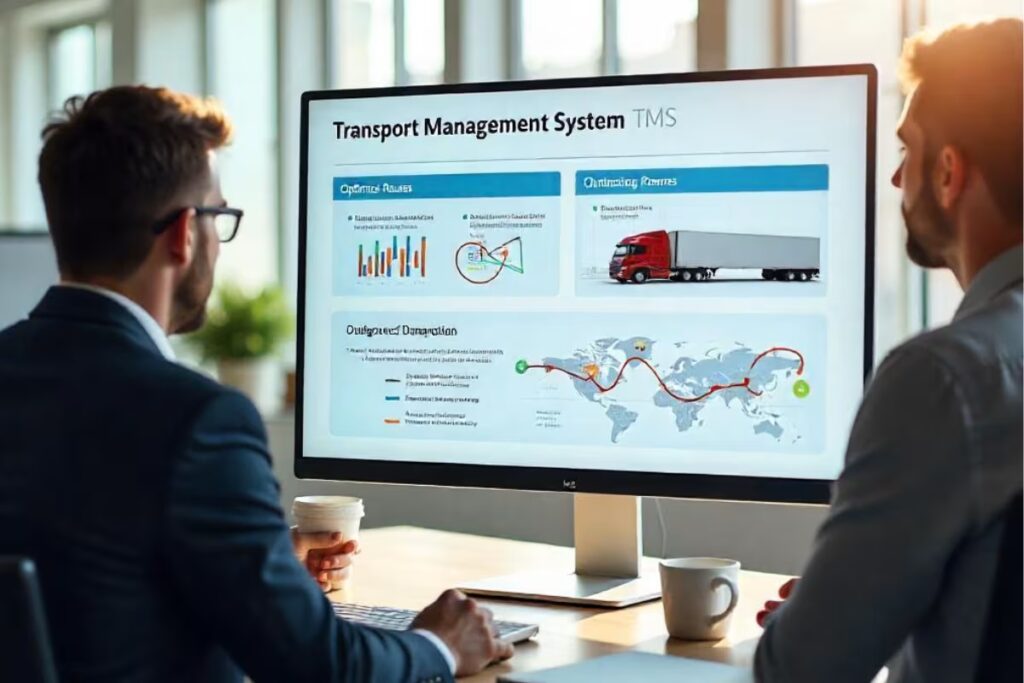
How a Transport Management System (TMS) Helps Carriers Improve Fleet Productivity and Reduce Operating Costs Read More »

What Is a Transport Management System (TMS) and How Does It Work? 

What Is a Transport Management System (TMS) and How Does It Work? 

Introduction In 2025, trucking companies face rising fuel costs, stricter compliance rules, and higher customer expectations for real-time tracking. Manual tools like spreadsheets slow operations and increase risk.  A Transport Management System (TMS) helps carriers manage dispatch, tracking, billing, and compliance in one platform. This guide explains what a TMS is, how it works, and why carriers use TMS software to improve fleet efficiency.  Key Takeaways: Transport Management System What Is a Transport Management System (TMS) in Trucking? A Transport Management System (TMS) is software that helps trucking companies manage daily operations like load scheduling, dispatch, shipment tracking, and compliance. By replacing manual work, a TMS improves efficiency, visibility, and control across trucking operations. Fast Forward TMS is one example of a carrier-focused TMS designed to support these core trucking needs in a single platform.  Also Read – Transport Management System (TMS) for Carriers: Features, Benefits, and Best Practices [2025 Guide] Types of Transport Management System (TMS)  There are different types of Transport Management Systems (TMS) used in trucking, depending on fleet size and business needs:  Also Read: Cloud-Based vs. On-Premise TMS: How to Choose the Right One Why Transport Management Systems Are Important  A Transport Management System (TMS) is important because it helps trucking companies manage dispatch, tracking, and compliance in one system. It provides real-time visibility, reduces empty miles, and helps control fuel costs. According to Nucleus Research, TMS software can reduce transportation costs by 15%, lower demurrage costs by 47%, cut fuel usage by 12%, and improve load completion times by up to 50%, making fleet operations more efficient and reliable. How Transport Management System Works: Step-by-Step Guide A Transport Management System (TMS) manages the full trucking process from order creation to billing. It uses automation and real-time data to improve efficiency, accuracy, and visibility across freight operations. Order Intake and Load Creation Orders are created directly in the TMS or synced from connected systems. Shipment details like pickup, delivery location, cargo type, and timelines are captured automatically, reducing manual errors. Carrier Selection and Load Assignment The TMS assigns loads to the best driver or carrier based on availability, location, and past performance. This helps dispatchers make faster and more accurate load decisions. Dispatch and Document Automation Once a load is assigned, the TMS generates digital documents such as bills of lading and trip details. Dispatchers share this information instantly with drivers through mobile apps. Real-Time Tracking and Status Updates GPS tracking and mobile updates provide live visibility into truck location and shipment status. Dispatchers and customers receive timely updates from pickup to delivery. Delivery and Electronic Proof of Delivery (ePOD) Drivers submit electronic proof of delivery using the TMS mobile app. This confirms delivery, reduces paperwork, and speeds up payment processing. Billing, Auditing, and Settlement The TMS verifies freight charges, creates invoices, and syncs with accounting systems. This reduces billing errors and saves time on manual settlement tasks. Analytics and Operational Insights The system tracks data such as miles driven, delivery time, fuel usage, and driver performance. TMS Analytics Dashboards help carriers monitor KPIs and improve fleet efficiency. Key Features of a Modern Carrier-Focused Transport Management System  A modern Transport Management System (TMS) helps carriers manage dispatch, tracking, compliance, and billing from one platform. These features support efficient, compliant, and scalable trucking operations.  Load Planning and Dispatch Management  The TMS assigns loads based on driver availability, location, and Hours of Service (HOS). Drag-and-drop dispatch tools help teams schedule loads faster and reduce delays.  Smart Load Offer Negotiation  Dispatchers send load offers with rates directly to drivers. Drivers can accept, reject, or counter offers in real time, improving pricing speed and transparency.  Fleet and Driver Management  The system tracks vehicle status, maintenance schedules, and driver availability. It also monitors licenses and certifications to support compliance and reduce downtime.  Live GPS Tracking and Status Visibility  Real-time GPS tracking shows truck locations and shipment status. Automated ETAs and alerts improve visibility for dispatchers and customers.  Driver Mobile Application  Drivers use a mobile app to view loads, upload documents, and communicate with dispatch. Electronic proof of delivery (ePOD) reduces paperwork and delays.  Billing, Payroll, and Freight Settlement  The TMS automates invoicing based on completed trips and agreed rates. It integrates with payroll systems to ensure accurate and timely driver payments.  Digital Document and Compliance Management  All documents like BOLs, ePODs, permits, and fuel receipts are stored digitally. The system generates HOS and IFTA reports to support regulatory compliance.  Performance Analytics and Reporting  Dashboards track KPIs such as on-time delivery, fuel usage, cost per mile, and driver performance. This helps carriers make data-driven decisions.  System Integration and Scalability  The TMS integrates with ELDs, accounting software, ERP, and WMS systems. It supports multi-location fleets and scales easily as operations grow.  Also Read – Top 10 Features of Trucking Management System Software: TMS Features Explained Why Carriers Need a TMS for Trucking and Fleet Efficiency  Carriers today manage multi-stop routes, rising costs, and strict compliance rules. A Transport Management System (TMS) helps trucking companies run daily operations more efficiently by improving dispatch control, reducing errors, and increasing fleet visibility.  Key Challenges Solved by a TMS  Multi-Stop Load Planning and Driver Availability A TMS automates dispatch using real-time driver availability and route data. This helps carriers reduce delays and manage complex multi-stop loads more effectively.  Deadhead Mile Reduction By matching backhauls and consolidating shipments, TMS software reduces empty miles and improves fuel efficiency.  Live GPS and Real-Time Tracking Real-time GPS tracking provides accurate location updates and ETAs. This improves on-time deliveries and shipment coordination.   Compliance and Risk Mitigation A TMS automates HOS, ELD, and IFTA reporting. This helps carriers stay compliant and avoid costly penalties.  Admin and Billing Automation Digital BOLs and automated invoicing reduce manual billing work and improve accuracy.  Improved Driver and Customer Experience Driver mobile apps simplify load updates and ePOD uploads, while real-time visibility improves customer communication and satisfaction.  Top Benefits of a TMS Transport System for Trucking Fleets A TMS transport system helps trucking fleets manage operations more efficiently. It improves dispatch control, increases visibility, and supports better decision-making across fleet operations.  Cost Efficiency A Transport Management System reduces fuel costs by optimizing loads and limiting empty miles. Automated billing also cuts manual admin work.  Improved On-Time Deliveries Real-time dispatch coordination and GPS

What Is a Transport Management System (TMS) and How Does It Work?  Read More »

Scroll to Top