
Load Offer Negotiation in Carrier TMS: 5 Ways to Save Time and Reduce Costs
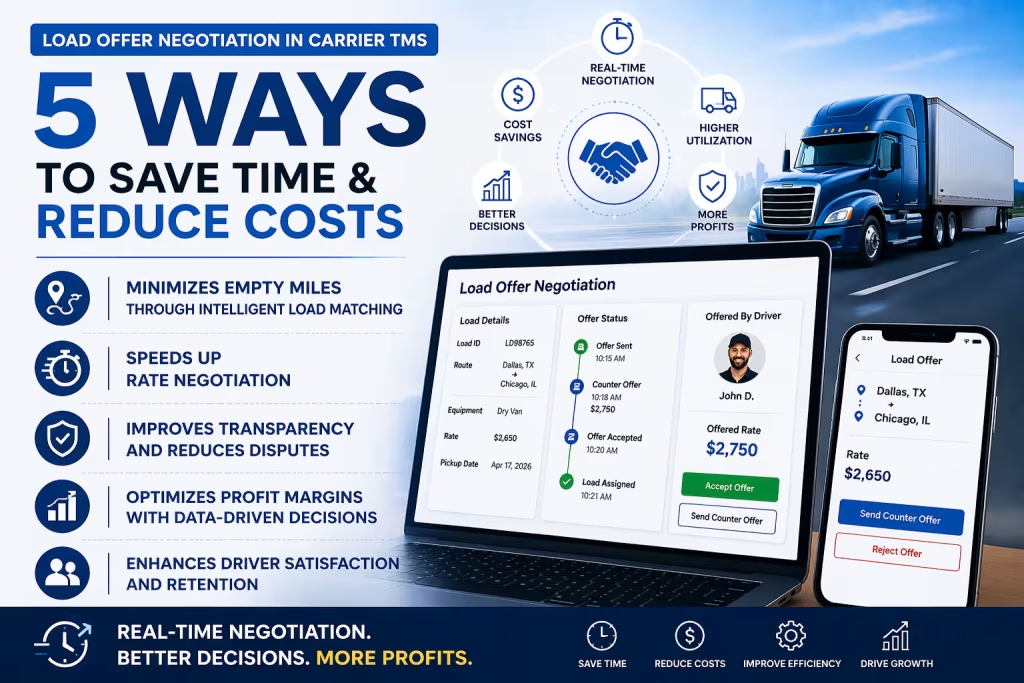
Introduction Load offer negotiation in carrier TMS is a real-time digital process that enables carriers to manage freight rate negotiation efficiently through instant offers, counteroffers, and approvals within a centralized system. Freight rate negotiation has traditionally relied on manual communication such as calls and emails, often leading to delays, missed opportunities, and higher operational costs. Many carriers are now adopting advanced TMS platforms to manage rate discussions more efficiently and improve overall operational control. With real-time load negotiation systems, carriers can streamline communication, improve decision-making speed, and reduce inefficiencies across dispatch operations. Supported by insights from Dr. Nitin Shankar, who brings over 18 years of experience in transportation management systems and carrier operations, this structured approach helps carriers make more consistent and data-driven decisions. In this blog, you’ll learn how this process improves rate negotiation, reduces costs, and enhances overall fleet performance. You May Also Read: Smarter Load Assignments with Real-Time Rate Negotiation Key Takeaways What Is Load Offer Negotiation in Carrier TMS Load negotiation systems in modern TMS platforms enable dispatchers and drivers to manage freight rate discussions in real time through a centralized workflow. Instead of relying on manual communication such as phone calls or emails, dispatchers can create structured load offers that include rate details, routes, and schedules. Drivers can instantly accept, reject, or submit counteroffers based on their availability and preferences. This creates a transparent and centralized workflow where every step of the negotiation process is recorded and easily accessible. It reduces miscommunication, speeds up approvals, and ensures both dispatchers and drivers operate with the same information. As a result, carriers can handle rate negotiations more efficiently, improve load assignment decisions, and maintain better control over operations. Related Blog:Introducing Load Offer Negotiation: A Game-Changer in Carrier TMS Software How Load Offer Negotiation in Carrier TMS Works Load negotiation within a TMS follows a structured, real-time workflow designed to eliminate delays and manual coordination. 1. Dispatchers Create and Send Load Offers Dispatchers create load offers by adding key details such as route, rate, pickup and delivery points, and schedules. This ensures all necessary information is shared clearly from the start using modern dispatching tools. 2. Drivers Receive and Review Offers Instantly Drivers receive load offers through mobile apps or driver interfaces. They can quickly evaluate the load based on availability, route preferences, and expected earnings. 3. Real-Time Counteroffers and Negotiation If the proposed rate does not match expectations, drivers can submit counteroffers instantly. Dispatchers can accept or respond in real time, reducing negotiation time from minutes to seconds in many cases. 4. Final Approval and Load Assignment Once both parties agree on the terms, the system confirms the offer and assigns the load automatically. This reduces delays and manual coordination. 5. Automated Tracking and Record Keeping Every step of the negotiation process is recorded within the system. This ensures transparency, reduces disputes, and helps carriers analyze past decisions. 5 Ways Load Negotiation Helps Carriers Save Time and Reduce Costs Load negotiation systems improve operational efficiency by reducing delays, lowering costs, and enabling faster decision-making. Here’s where the real operational impact becomes visible: 1. Minimizes Empty Miles Through Intelligent Load Matching Load negotiation helps dispatchers assign nearby and relevant loads based on driver availability and location. Real-time visibility improves load matching and reduces empty miles, directly lowering fuel costs with better fuel management and increasing utilization. 2. Speeds Up Rate Negotiation Traditional negotiation often involves calls and delays. With a real-time system, dispatchers and drivers can exchange offers and counteroffers instantly, reducing turnaround time significantly and improving fleet productivity. 3. Improves Transparency and Reduces Disputes All offers, counteroffers, and final agreements are recorded within the system. This creates a transparent workflow, minimizes misunderstandings, and builds trust between dispatchers and drivers. 4. Optimizes Profit Margins with Data-Driven Decisions TMS platforms use historical data, route performance, and cost insights to support better pricing decisions. This ensures decisions are not just fast, but financially optimized. 5. Enhances Driver Satisfaction and Retention Drivers can review and negotiate load offers directly, giving them more control and visibility. This improves satisfaction, simplifies earnings visibility through driver payroll software, and supports long-term retention. How AI Improves Load Offer Negotiation in Carrier TMS AI does not replace decision-making but strengthens it with real-time intelligence. AI enhances load negotiation systems by improving rate decisions through faster analysis, smarter recommendations, and automated workflows. 1. AI-Powered Rate Analysis AI analyzes historical rates, lane performance, fuel costs, and market trends to recommend optimal pricing. This helps carriers stay competitive while maintaining profitability. 2. Smart Load Recommendations AI matches drivers with the most suitable loads based on location, availability, and past performance. This improves load distribution and reduces idle time. 3. Automated Approvals and Escalations Routine load offers can be automatically approved based on predefined rules, while exceptions are flagged for manual review. This helps accelerate workflows while minimizing operational bottlenecks. 4. Predictive Decision-Making AI forecasts demand patterns, pricing trends, and operational risks, allowing carriers to plan and negotiate more strategically. Real-World Example of Load Offer Negotiation in Carrier TMS A mid-sized carrier with 100+ trucks experienced delays in rate negotiation due to manual coordination, leading to higher idle time and slower dispatch operations. In many cases, negotiation took around 15–20 minutes per load, limiting daily productivity. After adopting a real-time load negotiation system, the process became structured and significantly faster. Key Improvements This highlights how structured negotiation systems directly impact both operational speed and profitability. Why Carriers Use Fast Forward TMS for Load Offer Negotiation Fast Forward TMS helps carriers improve freight rate negotiation by providing a structured and real-time system for managing load offers more efficiently and accurately. Simplified Operational Workflows Reduces dependency on spreadsheets, frequent check calls, and manual coordination across daily fleet operations. Real-Time Negotiation Communication Enables instant exchange of load offers, counteroffers, and approvals between dispatchers and drivers in real time. Centralized Visibility and Control Provides clear insights into load performance, operational costs, and overall fleet efficiency through a single system. Proven Experience and Industry Trust Backed by 7+ years of TMS delivery, 18+ years of expertise, and trusted by over 1,500 companies globally. Scalable Setup and Easy Adoption Supports quick onboarding, easy team training, and seamless scaling
Load Offer Negotiation in Carrier TMS: 5 Ways to Save Time and Reduce Costs Read More »
