
Nitin Shankar

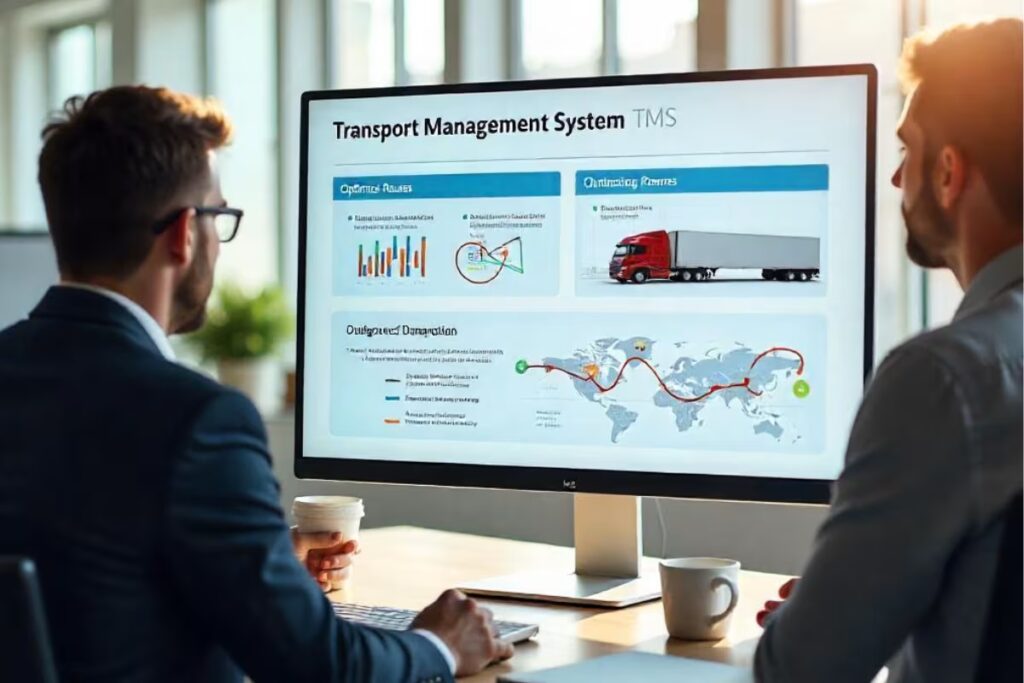
What Is a Transport Management System (TMS) and How Does It Work? 

What Is a Transport Management System (TMS) and How Does It Work? 

Introduction In 2025, trucking companies face rising fuel costs, stricter compliance rules, and higher customer expectations for real-time tracking. Manual tools like spreadsheets slow operations and increase risk.  A Transport Management System (TMS) helps carriers manage dispatch, tracking, billing, and compliance in one platform. This guide explains what a TMS is, how it works, and why carriers use TMS software to improve fleet efficiency.  Key Takeaways: Transport Management System What Is a Transport Management System (TMS) in Trucking? A Transport Management System (TMS) is software that helps trucking companies manage daily operations like load scheduling, dispatch, shipment tracking, and compliance. By replacing manual work, a TMS improves efficiency, visibility, and control across trucking operations. Fast Forward TMS is one example of a carrier-focused TMS designed to support these core trucking needs in a single platform.  Also Read – Transport Management System (TMS) for Carriers: Features, Benefits, and Best Practices [2025 Guide] Types of Transport Management System (TMS)  There are different types of Transport Management Systems (TMS) used in trucking, depending on fleet size and business needs:  Also Read: Cloud-Based vs. On-Premise TMS: How to Choose the Right One Why Transport Management Systems Are Important  A Transport Management System (TMS) is important because it helps trucking companies manage dispatch, tracking, and compliance in one system. It provides real-time visibility, reduces empty miles, and helps control fuel costs. According to Nucleus Research, TMS software can reduce transportation costs by 15%, lower demurrage costs by 47%, cut fuel usage by 12%, and improve load completion times by up to 50%, making fleet operations more efficient and reliable. How Transport Management System Works: Step-by-Step Guide A Transport Management System (TMS) manages the full trucking process from order creation to billing. It uses automation and real-time data to improve efficiency, accuracy, and visibility across freight operations. Order Intake and Load Creation Orders are created directly in the TMS or synced from connected systems. Shipment details like pickup, delivery location, cargo type, and timelines are captured automatically, reducing manual errors. Carrier Selection and Load Assignment The TMS assigns loads to the best driver or carrier based on availability, location, and past performance. This helps dispatchers make faster and more accurate load decisions. Dispatch and Document Automation Once a load is assigned, the TMS generates digital documents such as bills of lading and trip details. Dispatchers share this information instantly with drivers through mobile apps. Real-Time Tracking and Status Updates GPS tracking and mobile updates provide live visibility into truck location and shipment status. Dispatchers and customers receive timely updates from pickup to delivery. Delivery and Electronic Proof of Delivery (ePOD) Drivers submit electronic proof of delivery using the TMS mobile app. This confirms delivery, reduces paperwork, and speeds up payment processing. Billing, Auditing, and Settlement The TMS verifies freight charges, creates invoices, and syncs with accounting systems. This reduces billing errors and saves time on manual settlement tasks. Analytics and Operational Insights The system tracks data such as miles driven, delivery time, fuel usage, and driver performance. TMS Analytics Dashboards help carriers monitor KPIs and improve fleet efficiency. Key Features of a Modern Carrier-Focused Transport Management System  A modern Transport Management System (TMS) helps carriers manage dispatch, tracking, compliance, and billing from one platform. These features support efficient, compliant, and scalable trucking operations.  Load Planning and Dispatch Management  The TMS assigns loads based on driver availability, location, and Hours of Service (HOS). Drag-and-drop dispatch tools help teams schedule loads faster and reduce delays.  Smart Load Offer Negotiation  Dispatchers send load offers with rates directly to drivers. Drivers can accept, reject, or counter offers in real time, improving pricing speed and transparency.  Fleet and Driver Management  The system tracks vehicle status, maintenance schedules, and driver availability. It also monitors licenses and certifications to support compliance and reduce downtime.  Live GPS Tracking and Status Visibility  Real-time GPS tracking shows truck locations and shipment status. Automated ETAs and alerts improve visibility for dispatchers and customers.  Driver Mobile Application  Drivers use a mobile app to view loads, upload documents, and communicate with dispatch. Electronic proof of delivery (ePOD) reduces paperwork and delays.  Billing, Payroll, and Freight Settlement  The TMS automates invoicing based on completed trips and agreed rates. It integrates with payroll systems to ensure accurate and timely driver payments.  Digital Document and Compliance Management  All documents like BOLs, ePODs, permits, and fuel receipts are stored digitally. The system generates HOS and IFTA reports to support regulatory compliance.  Performance Analytics and Reporting  Dashboards track KPIs such as on-time delivery, fuel usage, cost per mile, and driver performance. This helps carriers make data-driven decisions.  System Integration and Scalability  The TMS integrates with ELDs, accounting software, ERP, and WMS systems. It supports multi-location fleets and scales easily as operations grow.  Also Read – Top 10 Features of Trucking Management System Software: TMS Features Explained Why Carriers Need a TMS for Trucking and Fleet Efficiency  Carriers today manage multi-stop routes, rising costs, and strict compliance rules. A Transport Management System (TMS) helps trucking companies run daily operations more efficiently by improving dispatch control, reducing errors, and increasing fleet visibility.  Key Challenges Solved by a TMS  Multi-Stop Load Planning and Driver Availability A TMS automates dispatch using real-time driver availability and route data. This helps carriers reduce delays and manage complex multi-stop loads more effectively.  Deadhead Mile Reduction By matching backhauls and consolidating shipments, TMS software reduces empty miles and improves fuel efficiency.  Live GPS and Real-Time Tracking Real-time GPS tracking provides accurate location updates and ETAs. This improves on-time deliveries and shipment coordination.   Compliance and Risk Mitigation A TMS automates HOS, ELD, and IFTA reporting. This helps carriers stay compliant and avoid costly penalties.  Admin and Billing Automation Digital BOLs and automated invoicing reduce manual billing work and improve accuracy.  Improved Driver and Customer Experience Driver mobile apps simplify load updates and ePOD uploads, while real-time visibility improves customer communication and satisfaction.  Top Benefits of a TMS Transport System for Trucking Fleets A TMS transport system helps trucking fleets manage operations more efficiently. It improves dispatch control, increases visibility, and supports better decision-making across fleet operations.  Cost Efficiency A Transport Management System reduces fuel costs by optimizing loads and limiting empty miles. Automated billing also cuts manual admin work.  Improved On-Time Deliveries Real-time dispatch coordination and GPS

What Is a Transport Management System (TMS) and How Does It Work?  Read More »
Truck Tracking Software: Features, Benefits, ROI & Compliance Guide (2025) 

Truck Tracking Software: Features, Benefits, ROI & Compliance Guide (2025) 

Introduction Truck tracking software helps carriers and fleet owners track truck locations, monitor driver behavior, manage fuel usage, and stay compliant with trucking regulations in real time. In 2025, it is essential for fleets dealing with rising fuel costs, stricter compliance rules, and growing demand for real-time shipment visibility.  Using GPS and telematics, truck tracking software improves route planning, driver safety, and daily fleet operations. This guide covers how truck tracking software works, its key benefits, ROI, and how to choose the right solution for your fleet.  Key Takeaways :Truck Tracking Software What is truck tracking software? Truck tracking software is a digital system that helps carriers and fleet owners track truck locations, monitor driver behavior, and manage fleet operations in real time. It uses GPS, sensors, and mobile apps to replace manual tracking methods like phone calls and paper logs. With truck tracking software, fleets can improve route planning, follow safety rules, and maintain compliance records more easily. Its growing adoption is reflected in market data. According to Cubix, the global trucking software market was valued at $12.5 billion in 2024 and is expected to reach $24 billion by 2033, growing at a CAGR of 8.7%. It also provides clear performance data that helps reduce delays, save fuel, and make better fleet management decisions. Explore More – Best TMS Truck Tracking Software Features of Truck Tracking Software Truck tracking software offers more than basic GPS tracking. It provides real-time fleet visibility, improves driver safety, and supports regulatory compliance using GPS, sensors, analytics, and automation tools. In 2025, these features help carriers reduce costs, streamline operations, and manage fleets more efficiently.  Below are the key features every carrier should look for in truck tracking software.  Real-Time GPS Tracking Real-time GPS tracking allows carriers and fleet managers to see the exact location of each truck at any moment. It helps dispatchers track routes, monitor progress, and share accurate delivery times using live location data.  With real-time GPS tracking, fleets can:  This feature improves fleet efficiency and builds trust with shippers and customers through reliable, real-time tracking.  Advanced Sensor Integration Advanced sensor integration uses built-in sensors to collect real-time telematics data from each truck. These sensors track driving activity, vehicle movement, and cargo conditions to give fleets better operational control.  With sensor-based tracking, fleets can monitor:  This data helps protect perishable or fragile shipments, reduce operational risk, and improve driver and cargo monitoring, especially for long-haul and refrigerated fleets.  Driver Behavior Monitoring Driver behavior monitoring helps carriers and fleet managers track how drivers operate their vehicles in real time. It identifies driving patterns that affect safety, fuel use, and vehicle health.  With driver behavior monitoring, fleets can track:  These insights help improve driver safety, lower accident risk, reduce insurance costs, and cut fuel waste. Over time, fleets see safer driving habits, less vehicle wear, and better overall performance.  Route Optimization Route optimization uses real-time traffic, weather updates, road closures, and past trip data to choose the most efficient routes for each load. It helps carriers and fleet managers reduce delays and improve daily operations.  With route optimization, fleets can:  By adjusting routes in real time, truck tracking software ensures each truck follows the safest and most cost-effective path, which is especially important for time-sensitive freight.  Compliance Automation (HOS & ELD) Compliance automation helps carriers and fleet managers meet Hours of Service (HOS) and Electronic Logging Device (ELD) requirements using digital records. Truck tracking software automatically tracks driving time and rest breaks to support regulatory compliance.  With HOS and ELD automation, fleets can:  By replacing paper logs with automated records, fleets can reduce violations, lower audit risk, and simplify DOT inspections.  Maintenance Alerts and Predictive Diagnostics Maintenance alerts and predictive diagnostics help carriers and fleet managers monitor vehicle health in real time. Truck tracking software collects engine data, mileage, and fault codes to prevent unexpected breakdowns.  With predictive maintenance, fleets can:  This approach reduces downtime, lowers repair costs, and extends vehicle lifespan, especially for high-mileage and long-haul fleets.  Customizable Analytics Dashboards Customizable analytics dashboards give carriers and fleet managers a clear view of fleet performance in real time. Truck tracking software displays key metrics and trends in one place to support better decision-making.  With analytics dashboards, fleets can track:  These dashboards help identify problems, improve efficiency, and optimize operations, whether managing a small fleet or a large carrier network. How does truck tracking software work? Truck tracking software combines GPS devices, sensors, and cloud-based software to track fleet activity in real time. Drivers use mobile apps to share updates and documents, while dispatchers view live data through a central dashboard.  Each truck sends location data regularly. The system analyzes this data along with traffic, weather, and driver activity to optimize routes, monitor driving behavior, and automatically record Hours of Service (HOS). This gives fleets a clear, real-time view of daily operations.  How Data Is Processed  Real-World Example A carrier with 50 trucks uses truck tracking software to view live locations, reroute drivers around delays, and confirm deliveries in real time. Dispatchers manage the fleet from one dashboard instead of calling drivers.  Why is truck tracking software better than traditional methods? Traditional fleet management relies on phone calls, paper logs, and basic GPS tools. These methods are slow, error-prone, and do not provide real-time visibility. Truck tracking software replaces manual work with automated data and live insights, helping fleets operate more efficiently.  Traditional vs. Truck Tracking Software Task Traditional Methods Truck Tracking Software Tracking Trucks Phone check-ins Live GPS tracking Routing Paper maps or basic GPS Optimized, fuel-efficient routes  Driver Monitoring Manual driver reports  Real-time driving data  Compliance Paper logs with errors  Automated HOS and ELD records Reporting Manual reports Instant performance analytics By using real-time data instead of manual updates, truck tracking software improves accuracy, saves time, and supports safer, more compliant fleet operations.  Why Do Fleets Need Truck Tracking Software in 2025? In 2025, trucking fleets face rising fuel costs, stricter safety regulations, and higher customer expectations for real-time delivery updates. Manual tracking methods and basic GPS tools no longer provide the visibility or control fleets need to operate efficiently.  Truck tracking software helps fleets monitor trucks in real time, automate compliance tasks, and optimize routes. This reduces delays, lowers fuel waste, improves driver safety,

Truck Tracking Software: Features, Benefits, ROI & Compliance Guide (2025)  Read More »

Transport Management System (TMS) for Carriers: Features, Benefits, and Best Practices [2025 Guide]

Transport Management System (TMS) for Carriers: Features, Benefits, and Best Practices [2025 Guide]

Introduction to Transport Management System for Carriers The logistics industry is changing quickly. In 2025, it takes more than just trucks and a skilled team to stay competitive. Carriers need real-time information, better control, and smart tools to manage everything smoothly. That’s why a Transport Management System (TMS) has become a must-have for growing fleets. This easy-to-follow guide is written by our Product Owner, Dr. Nitin Shankar, a logistics expert with 18+ years of experience in transportation and finance. You’ll learn what a TMS is, which features matter most for carriers, how to measure its return on investment (ROI), and how to pick the right system for your fleet. We’ll also explain how to integrate it with your existing tools, make onboarding smooth, and prepare for the future of transport technology. What is a Transport Management System (TMS) for Carriers? A Transport Management System (TMS) for carriers is software that helps trucking companies automate and optimize key logistics tasks like dispatching, tracking, routing, and document management—all in one platform. A TMS Software serves as the digital command center for carriers. It replaces manual processes such as phone calls, spreadsheets, and paperwork with real-time tools that streamline operations. From assigning loads and tracking drivers to digitizing documents and ensuring compliance, everything happens within a unified system. Carriers benefit from improved efficiency, lower costs, better visibility, and faster decision-making. Core features often include route optimization, GPS tracking, e-document management, driver communication, billing, compliance support, and performance analytics. By centralizing these functions, a TMS enables carriers to scale operations, minimize errors, and deliver better service. You may also like to read – What Is a Transport Management System and How Does It Work?  TMS Software vs Traditional Methods: A Quick Comparison Curious about how today’s carrier TMS solutions outperform traditional transport management practices? The following comparison breaks down the critical differences between legacy logistics systems and a modern transportation management system for carriers, showcasing how digital transformation drives efficiency, reduces operational costs, and enhances shipment visibility. Aspect Traditional Methods TMS Software Load Assignment Manual, phone calls Automated with real-time scheduling Driver Tracking Periodic check-ins via phone Live GPS tracking and status updates Document Handling Paper-based, prone to loss Digital uploads and storage Compliance & Logs Manual logging Automated and audit-ready Reporting & Insights Difficult and time-consuming Instant dashboards and reports With a TMS, carriers can shift from reactive to proactive fleet management—leading to faster decisions, better performance, and higher efficiency.Also Read – TMS Software vs Traditional Methods – A Complete Comparison for Fleet Management in 2025 Why Is a Transportation Management System Important in 2025? A transportation management system allows carriers to streamline dispatch operations, reduce operational costs, and increase supply chain efficiency. With increasing industry demands in 2025, TMS software helps automate tasks like route planning, driver assignment, and real-time shipment tracking—saving valuable time and reducing manual errors. It also supports regulatory compliance, provides critical insights through analytics, and enhances communication across teams. In a logistics landscape where speed, transparency, and accuracy matter more than ever, a TMS is no longer optional—it’s a necessity for modern carriers to stay competitive. Top Benefits of Using TMS for Carriers A Transport Management System for carriers isn’t just a convenience—it’s a game-changer in today’s competitive logistics environment. By replacing manual tasks with smart automation, a TMS allows carriers to operate more efficiently, make informed decisions, and increase overall profitability. Here are the key benefits carriers can expect from using a modern TMS: A well-implemented transportation management system for carriers doesn’t just streamline operations—it creates long-term business value through automation, visibility, and cost control. What are the Features of a Transport Management System? A Transport Management System (TMS) for carriers is built to streamline logistics, improve visibility, and reduce operational friction. It combines automation, communication, and analytics to help carriers scale faster and operate more efficiently. Here are the top features of a TMS designed for carriers: How does a Transport Management System work? A Transportation Management System (TMS) works by automating and coordinating the end-to-end process of planning, executing, and analyzing the movement of goods across the supply chain. It acts as a digital hub that connects carriers, dispatchers, drivers, and logistics teams—streamlining operations through centralized control, data integration, and real-time visibility. Here’s how a TMS works in a typical carrier operation: 1. Order Integration and Shipment Planning The process begins when shipment orders are entered into the system—either manually or via integration with other platforms like ERPs (Enterprise Resource Planning) or WMS (Warehouse Management Systems). The TMS analyzes this information to determine the most efficient transportation plan. It evaluates factors like delivery windows, route distances, cargo type, and cost constraints to select the best carrier, mode (LTL, FTL, intermodal), and route for each shipment. This step ensures optimized planning before a truck even hits the road. 2. Carrier Assignment and Load Tendering Once a shipment plan is created, the TMS assigns loads to carriers based on availability, pricing, service levels, or historical performance. It can automatically tender loads to preferred carriers or allow competitive bidding within a carrier network. Load confirmations, rate agreements, and documentation are all managed digitally—cutting down on phone calls and paperwork. 3. Shipment Execution and Real-Time Tracking As the shipment progresses, the TMS tracks its movement in real time using GPS data, ELDs (Electronic Logging Devices), and driver mobile apps. Dispatchers and managers can view the exact location of each vehicle, monitor driver status, and respond quickly to route changes, delays, or exceptions. This level of visibility allows for proactive decision-making and minimizes service disruptions. 4. Document Management and Billing After delivery, the TMS automatically captures relevant documents such as Proof of Delivery (POD), bills of lading, and freight invoices. These documents are validated against load details to initiate billing or payment processes. By digitizing this part of the workflow, a TMS reduces manual errors, speeds up settlements, and improves compliance. 5. Data Analysis and Performance Optimization Finally, the TMS compiles operational data to generate key performance metrics like

Transport Management System (TMS) for Carriers: Features, Benefits, and Best Practices [2025 Guide] Read More »

Scroll to Top