August 2025

How Trucking Dispatch Software Optimizes Load Planning & Delivery 

How Trucking Dispatch Software Optimizes Load Planning & Delivery 

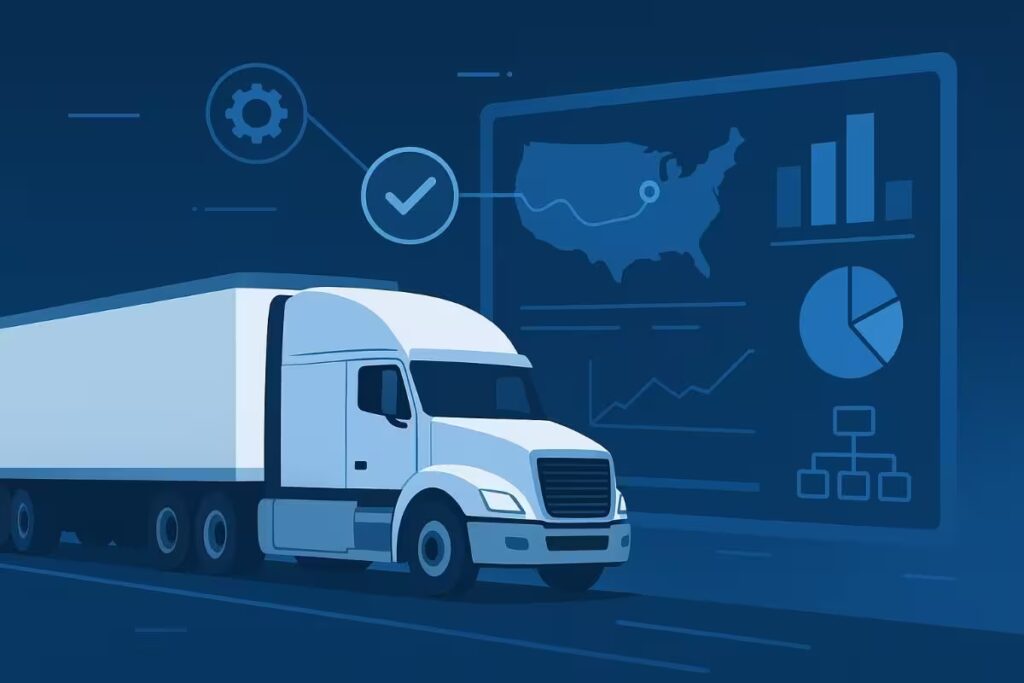
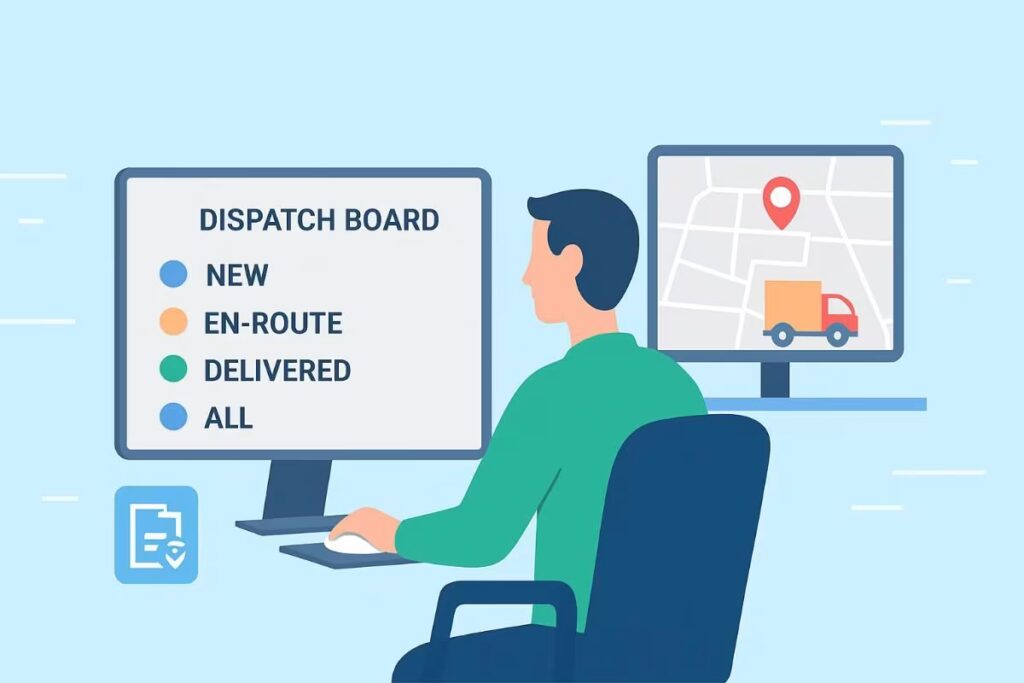
Introduction Every delayed load costs carriers time, money, and customer trust—making efficient dispatch more important than ever. The logistics sector continually faces challenges as demand grows for quicker and more dependable delivery services. In fact, Sendcloud studies show that 23% of customers may not return after a late delivery, underscoring how critical on-time performance has become.  To keep supply chains moving, transportation must be efficient, transparent, and well-coordinated. Carrier TMS software, especially trucking dispatch software, has become a key enabler of this efficiency. By automating dispatch tasks, streamlining communication, and providing real-time visibility, it helps carriers and fleet operators manage daily operations with greater accuracy. Modern dispatch systems are now essential for scaling operations and minimizing costly inefficiencies.  As freight volumes continue to grow worldwide, businesses that adopt smarter carrier TMS software solutions gain a clear competitive edge. This blog—built on over 18 years of industry experience—explores how trucking dispatch software enhances performance, highlights must-have features, and explains the benefits it brings to carriers, dispatchers, and drivers alike.  What is Trucking Dispatch Software?  Trucking dispatch software is a digital platform that simplifies and automates day-to-day trucking operations. It allows dispatchers to assign loads, track drivers, and manage fleet activities through a single interface. By reducing manual processes and enabling real-time communication, it ensures faster, more accurate, and well-coordinated deliveries.  The system works for both individual truckers and large fleets, offering visibility into driver availability, location updates, and load status. With synchronized data and streamlined workflows, trucking companies can reduce errors, cut downtime, and improve overall delivery performance.  Explore More: The Best Trucking Dispatch Software What Are the Challenges of Operating Without Trucking Dispatch Software?  Dispatching forms the backbone of every fleet operation. Yet, without a modern trucking dispatch solution or a carrier TMS software, many carriers face delays, inefficiencies, and higher operating costs. Relying on manual methods like spreadsheets, calls, or paper logs may work for very small fleets, but as operations scale, these processes quickly become unsustainable. Below are the most common challenges fleets encounter when dispatch is not supported by smart technology.  Disconnected Communication  Dispatchers, drivers, and logistics partners often work in silos when communication isn’t centralized. This leads to missed updates, slow responses, and confusion across the supply chain. A connected platform ensures everyone stays aligned, reducing errors and delays.  Delivery Pressures and Delays  Manual dispatch makes it harder to assign loads quickly or adapt to changing schedules. With rising demand for faster deliveries, carriers without automated tools often struggle to meet customer expectations, which can hurt trust and profitability.  Limited Customer Visibility  In traditional systems, customers rarely get real-time order updates. This lack of transparency creates frustration and more service calls. Digital dispatch solutions solve this by offering live status updates and accurate delivery windows, leading to stronger customer relationships.  Dependence on Manual Work  Assigning drivers by hand, frequent phone communications, and handling paperwork consume valuable time and often lead to mistakes. A smart dispatch system automates repetitive tasks, helping teams save time and focus on more strategic operations.  Empty Miles and Wasted Resources  One of the biggest cost drivers in trucking is “empty miles,” when trucks return without freight. Modern dispatch software reduces this by helping fleets match loads more effectively and cut waste, improving both efficiency and margins.  Key Features of Trucking Dispatch Software for Smarter Fleet Management  Modern trucking dispatch software does more than just assign loads—it acts as the digital backbone of logistics operations. By combining automation, real-time visibility, and data-driven decision-making, it helps fleets of every size improve efficiency and reduce costly delays. Below are the most critical features that logistics experts and fleet managers rely on to keep operations running smoothly.  Centralized Dispatching  Relying on spreadsheets and phone calls often causes errors and delays. A centralized dispatch dashboard allows managers to assign loads, set schedules, and issue instructions in just a few clicks. This streamlined approach ensures consistent delivery performance and supports collaboration across in-house fleets and external partners.  Seamless Communication  Clear communication is often the difference between on-time and delayed deliveries. With in-app messaging, push notifications, and real-time alerts, dispatch software eliminates gaps between drivers, dispatchers, and customers. A lack of teamwork is a major cause of operational setbacks, emphasizing that seamless communication is essential for efficient logistics management.  Digital Documentation & E-Ticketing  Depending on paper-based records and manual filing often leads to mistakes and reduces operational efficiency. Digital ticketing allows drivers to upload load details, proof of delivery, and timestamps directly into the system. This creates a verified single source of truth, accelerates invoicing, and saves back-office teams hours of manual work—something industry experts highlight as a key driver of profitability.  Real-Time Monitoring & Visibility  Knowing truck locations in real time is now a baseline expectation in logistics. GPS-enabled Truck tracking helps dispatchers monitor vehicle status, update ETAs, and reroute when disruptions occur. This visibility not only builds trust with shippers but also reduces unnecessary service calls and improves driver accountability.  Automated Billing & Invoicing  Financial workflows can slow down if handled manually. Dispatch platforms automate billing by capturing trip and load data instantly, reducing payment delays and human errors. When integrated with accounting systems, this feature ensures faster cash flow and supports compliance with financial best practices.  Scalability for Growing Fleets  Logistics operations rarely stay static. A cloud-based dispatch system scales easily by adding vehicles, drivers, and service regions without downtime. This flexibility makes it a long-term solution for carriers aiming to expand into new markets while maintaining operational consistency.  Data Analytics & Insights  Data is now a competitive advantage in logistics. Dispatch systems with advanced analytics provide reports on delivery times, driver performance, and fuel usage. Managers can spot inefficiencies and make evidence-based decisions.   Top Benefits of Trucking Dispatch Software for Carriers  Trucking dispatch software goes beyond simple load assignments. It connects dispatchers, drivers, and customers in real time, creating efficiency across the entire logistics chain. The impact is seen in reduced costs, faster deliveries, and improved customer satisfaction. Below are the key benefits: 

How Trucking Dispatch Software Optimizes Load Planning & Delivery  Read More »
How Fast Forward TMS Stands Out as the Best Choice in Carrier TMS Software 

How Fast Forward TMS Stands Out as the Best Choice in Carrier TMS Software 

Introduction Every successful trucking company has one thing in common—they’ve mastered the art of keeping operations simple while the industry grows more complex each year. From managing multiple drivers on the road to ensuring loads reach the right destination on time, efficiency is no longer a luxury; it’s survival. That’s where the best Carrier TMS software steps in not as a back-office tool, but as the engine that powers modern fleet operations.  The challenge for carriers today isn’t just choosing any system—it’s finding one that balances ease of use with power, scalability, and real results. In this blog, we’ll explore how Fast Forward TMS has emerged as a standout solution, built with deep industry experience and proven to deliver measurable results, helping fleets grow smarter, faster, and stronger.  What is a Carrier TMS Software? A Carrier TMS (Transportation Management System) software is a cloud-based platform designed specifically for trucking companies, logistics providers, and owner-operators to manage, automate, and optimize all aspects of fleet operations. It serves as the central hub for dispatch, load planning, driver management, billing, customer communication, and regulatory compliance. What a Carrier TMS Software Does for Trucking Operations  Carrier TMS software acts as the core hub, coordinating every aspect of a trucking operation seamlessly. It integrates dispatch, compliance, driver management, customer communication, and reporting into one seamless workflow.  In the past, trucking operations relied heavily on manual logs, messy paperwork, and constant phone calls to track deliveries. Even spreadsheets and basic dispatching systems eventually became outdated, failing to keep up with the demands of modern supply chains that require speed, transparency, and real-time insights.  Without a reliable Carrier TMS software, trucking companies risk losing freight to competitors, burning unnecessary miles, running into payroll disputes, or even facing compliance penalties. A modern TMS like Fast Forward TMS eliminates these inefficiencies by giving fleets full visibility, automated workflows, and tools that reduce operating costs while boosting productivity.  How a Modern Carrier TMS Simplifies Fleet Operations  Not all TMS platforms are created equal. Many carriers invest in systems that look powerful during demos but fail in day-to-day operations. Complex onboarding, steep learning curves, poor mobile adoption, and hidden costs often leave fleets frustrated instead of empowered.  A modern Carrier TMS software solves these problems by simplifying onboarding, offering mobile-first solutions for drivers, providing real-time data visibility, and scaling affordably with the growth of the fleet. Instead of adding complexity, a strong TMS acts as a problem-solver, ensuring smooth workflows from dispatch to delivery.  What is Fast Forward TMS?  Fast Forward TMS is a cloud-based Carrier Transportation Management System (TMS) designed to simplify, streamline, and automate fleet operations for trucking companies, owner-operators, and logistics teams. Built by industry veterans with over 18+ years of combined experience, it is trusted by more than 1,500 fleets globally for its reliability, scalability, and user-friendly design.  Why Fast Forward TMS Stands Out in Carrier TMS Software  Why Fast Forward TMS stands out as the top choice in Carrier TMS software is clear in its combination of ease of use, affordability, and enterprise-grade reliability. Key advantages are highlighted below:  Affordable and Scalable Pricing for Fleets  Fast Forward TMS keeps pricing simple, flexible, and risk-free—so carriers can start small and scale as they grow:  First User Free  Your first dispatcher or fleet manager gets limited access at no cost. No credit card required, no hidden fees. This allows carriers to explore Fast Forward TMS fully and experience its features before expanding their team. Second User – $99/month As your fleet expands, add a second user to streamline collaboration between dispatch, billing, and operations. Additional Users – $29/month each Easily scale your team with cost-effective pricing for every user beyond the second. This pricing model ensures fleets of all sizes pay only for what they need—making growth both predictable and affordable. Fast Forward TMS maintains transparent pricing with no hidden charges, so carriers know exactly what they’re paying for.  Reliable Customer Support Backed by Industry Expertise  Even the best technology depends on skilled support and expert guidance to deliver real value. With over 18 years of industry experience, Fast Forward TMS offers dedicated support that’s always within reach—whether during setup, daily dispatching, or scaling operations.  Enterprise-Grade Security With SOC 2 Type 2 Compliance  Security is a top priority in modern trucking. Fast Forward TMS is SOC 2 Type 2 compliant, ensuring that fleet, financial, and driver data remain secure, confidential, and highly available at all times. Carriers can operate with confidence, knowing their information is safe at every step.  Features That Set Fast Forward TMS Apart from Competitors  What makes Fast Forward TMS the best Carrier TMS software isn’t just its ease of use or affordability—it’s the innovative features designed specifically for carriers and drivers. These capabilities go beyond what other Carrier TMS platforms in the industry offer, addressing challenges that they often overlook. Instead of offering generic tools, it focuses on solving real-world challenges like rate negotiations, empty miles, and driver–dispatcher communication. These exclusive capabilities help fleets operate with greater speed, transparency, and efficiency.  Load Offer Negotiation – A Game-Changer for Carriers  Rate negotiation has long been a challenge in trucking. Traditional methods—endless phone calls, emails, and delays—often cause confusion and missed opportunities. With Load Offer Negotiation, Fast Forward TMS transforms how carriers and drivers negotiate freight rates efficiently.  Dispatchers can share rate offers immediately, and drivers can respond with acceptance or a counteroffer instantly. The built-in chat eliminates miscommunication and speeds up decision-making. This transparency not only saves time but also builds fairness and trust—critical for long-term carrier–driver partnerships.  Driver Availability & Smart Geo-Location Matching  Assigning the most suitable load to a driver has become quick, accurate, and hassle-free. With this feature, drivers can mark themselves as “Available” or “Unavailable” and, with consent, share real-time location data. Dispatchers then match loads to drivers based on proximity and availability, reducing empty miles and ensuring faster pickups.  Strategic Benefits of Fast Forward TMS for Carriers  Selecting a Carrier TMS is not just a software decision—it’s choosing a partner

How Fast Forward TMS Stands Out as the Best Choice in Carrier TMS Software  Read More »

Top 10 Benefits of Using TMS for Carriers in 2025

Top 10 Benefits of Using TMS for Carriers in 2025

Introduction Imagine a small trucking fleet drowning in paperwork, juggling endless phone calls with drivers, and missing delivery updates. Every delay impacts profits, every mistake affects customer trust, and every manual process slows growth. According to the study of Conqueror Network, In 2025 small and medium carriers face rising fuel costs, stricter compliance rules, and growing customer demands for real-time shipment tracking. Without a TMS for Carriers, these challenges can quickly overwhelm traditional operations. Across the industry, fleets adopting TMS for Carriers are shifting from manual chaos to digital efficiency. The right Transport Management System (TMS) empowers carriers to streamline dispatch, automate documentation, improve communication, and reduce operational costs—making it easier to stay competitive in today’s fast-paced trucking landscape. What is a TMS for Carriers? A TMS for carriers is a software solution created to streamline and automate everyday trucking tasks, making fleet management faster, easier, and more accurate. Instead of juggling spreadsheets, paper logs, and phone calls, a TMS provides a centralized digital hub where carriers can manage dispatching, load assignments, invoicing, and real-time driver tracking all in one place. For small and medium fleets, a TMS for Carriers reduces errors, speeds up billing cycles, and improves communication between dispatchers and drivers. By streamlining operations, carriers can cut operational costs, save time, and increase productivity, ensuring they stay competitive in the evolving freight industry.Also Read – What Is a Transport Management System (TMS) and How Does It Work?  Why Carriers Need a TMS in 2025 In 2025, the trucking industry is more competitive and regulated than ever. Carriers still relying on spreadsheets, paper logs, and phone calls risk falling behind. Implementing a TMS for Carriers helps fleets tackle the industry’s biggest challenges: Overall, a TMS for Carriers ensures smarter freight management, fewer errors, and improved profitability, giving fleets the tools to remain competitive and efficient in a rapidly evolving market. Top 10 Benefits of Implementing a TMS for Carriers in 2025 In today’s fast-paced trucking environment, TMS for Carriers is no longer optional—it’s essential. Manual processes such as spreadsheets, phone calls, and paper records can no longer meet the demands of higher fuel expenses, tighter regulatory requirements, and increasing customer expectations. A TMS for Carriers provides an end-to-end solution that optimizes resources, improves efficiency, and enhances service delivery. Here are the top 10 benefits in 2025: 1 – Reduced Transportation Costs with Smart Optimization TMS for carriers minimizes operational costs by cutting empty miles, optimizing fuel usage, and automating billing. Advanced routing ensures trucks run on the most efficient paths, saving both money and time. Examples of Cost Savings: 2 – Smarter Load Planning and Resource Utilization Carriers often lose revenue due to underutilized trucks. A TMS ensures that vehicles are matched to the right loads in real time, maximizing fleet usage and driver schedules. Feature Highlight: Load Planning & Optimization assigns trips automatically based on truck capacity, availability, and delivery deadlines—ensuring no mile goes wasted. 3 – Real-Time Shipment Tracking and Analytics Modern TMS trucking software provides real-time visibility into shipment status, driver location, and delivery progress. This level of insight helps fleets avoid delays, make faster decisions, and keep customers informed. Impact on Customer Service: 4 – Stronger Customer Satisfaction with Transparent Deliveries In logistics, trust is everything.With a TMS for carriers, fleets can provide instant shipment updates, precise delivery times, and digital proof of delivery. This transparency enhances trust, improves client satisfaction, and fosters long-term partnerships. Example in Action: Carriers using Customer Portal & Automated Notifications report fewer support calls, improved transparency, and stronger repeat business. 5 – Simplified Documentation and Faster Cash Flow Paperwork delays cash flow and adds unnecessary complexity. A TMS for carriers digitizes key documents like bills of lading, PODs, and invoices—reducing errors and accelerating payment cycles. Feature Highlight: Digital Documentation & eBOLs eliminate duplicate records and create a faster, error-free billing process. 6 – Safety and Compliance Made Simple Compliance with HOS, driver logs, and safety reports is critical for avoiding fines and maintaining contracts. A carrier TMS automates these checks, ensuring fleets stay compliant without drowning in paperwork. Compliance Benefits: 7 – Seamless Integrations with Other Tools The best TMS for carriers integrates with GPS systems, accounting platforms, and even freight broker TMS software. This creates one connected workflow where every system talks to each other—no silos, no delays. Feature Highlight: API & Third-Party Integrations enable carriers to connect all operational tools in one hub. 8 – Smarter Fleet and Asset Management Every year, carriers face significant financial losses due to avoidable vehicle breakdowns and unscheduled downtime. A TMS ensures proactive maintenance, extended asset life, and maximum truck availability. Example in Action: Fleets using Fleet & Asset Tracking reduce breakdowns, cut repair costs, and keep more trucks road-ready. 9 – Increased Efficiency with Automated Operations Manual processes like dispatching, payroll, and load matching slow down growth. A TMS for carriers automates these workflows, freeing up staff to focus on business expansion. Feature Highlight: Automated Dispatch & Driver Communication ensures every load is assigned and tracked with minimal human input. 10 – Future-Ready with AI and Predictive Analytics As logistics becomes more digital, carriers using AI-powered TMS gain a competitive edge. Predictive analytics forecast delays, recommend routes, and identify cost-saving opportunities before they happen. Impact on Growth: Also Read – Five Ways AI Is Transforming the Trucking Industry in 2025 How to Choose the Best TMS for Carriers Choosing the right TMS for Carriers is critical for improving efficiency, reducing errors, and supporting fleet growth. The ideal solution balances simplicity, reliability, and scalability. Key factors to consider include: These features make a TMS for carriers a trusted choice in 2025, providing a powerful, easy-to-use, and future-ready system that supports fleet growth and operational efficiency.Also Read – Top 10 Features of Trucking Management System Software: TMS Features Explained Why Fast Forward TMS is the Best TMS for Carriers in 2025 Fast Forward TMS, built on 18+ years of industry expertise and 7+ years of product development, powers 1,500+ carriers with easy-to-use,

Top 10 Benefits of Using TMS for Carriers in 2025 Read More »

TMS Software vs Traditional Methods – A Complete Comparison for Fleet Management in 2025

TMS Software vs Traditional Methods – A Complete Comparison for Fleet Management in 2025

In the fast-paced world of logistics and trucking, managing operations efficiently is the difference between profit and loss. Many fleets still rely on traditional methods like spreadsheets, phone calls, and paper logs. While these methods have worked for decades, they can’t keep up with the speed, accuracy, and flexibility needed in 2025.  According to the report of Data Intelo, Across global freight markets, from cross-border trucking to last-mile delivery, carriers face increasing operational complexity. Insights from industry experts with decades of experience in transportation management highlight how cloud-based TMS platforms help fleets reduce empty miles, streamline dispatching, and comply with regional regulations — all while improving profitability.  That’s where Transportation Management Software (TMS) steps in to transform the process.  In this article, we’ll compare TMS software vs traditional methods for fleet management, highlight key differences, and explain why modern fleets are making the switch.  Traditional Fleet Management Methods: Challenges in the Modern Trucking Industry  For decades, many carriers have relied on manual, paper-based systems to manage routes, assign loads, and coordinate drivers. While these methods once worked, experts in transportation management now agree they no longer meet the needs of today’s fast-moving, technology-driven logistics market. A closer look shows why fleets are shifting away from these outdated practices. 1. Limited Real-Time Visibility and Communication  Phone calls, text messages, and handwritten schedules remain the backbone of traditional coordination. Without GPS tracking or automated status updates, dispatchers lack real-time visibility. This gap often causes delays, missed load opportunities, and reduced operational control compared to TMS solutions with integrated navigation capabilities. 2. Inefficiency from Paperwork and Manual Data Entry  Paper bills of lading, physical delivery slips, and siloed spreadsheets create extra work and raise error risks. Manual data entry slows down invoicing and settlement, increasing costs for growing fleets. In contrast, modern TMS solutions make automation possible—reducing repetitive tasks and improving accuracy. 3. Inability to Scale with Business Growth  As fleet sizes expand, manual processes quickly break down. Traditional systems rarely integrate with payroll, compliance, or fuel management software, leading to data silos that hinder decision-making. When comparing TMS systems, fleets find that automation and integration are key advantages for scaling operations without adding unnecessary overhead.Also Read – Five Ways AI Is Transforming the Trucking Industry in 2025 TMS Software in 2025: A Smarter Alternative to Manual Fleet Management 1. Real-Time Insights That Strengthen Control Instead of guessing where trucks are, a TMS delivers GPS-based tracking, live delivery status, and automated notifications. This turns dispatching from reactive to proactive—helping carriers prevent delays and build trust with shippers. 2. Automation That Eliminates Manual Processes TMS platforms make automation part of everyday operations. From ePOD and invoicing to payroll and load matching, the system cuts down on repetitive tasks, reduces manual data entry, and ensures accuracy across the board. 3. Growth-Ready Scalability with Integrated Tools Unlike manual systems that collapse under pressure, TMS software scales with your business. It integrates with fleet maintenance software, compliance reporting, and accounting tools—allowing carriers to manage higher freight volumes without adding complexity. By comparing TMS solutions against traditional methods, it’s clear why carriers worldwide are upgrading in 2025. A modern TMS doesn’t just replace paperwork, it creates a connected, automated, and growth-ready fleet management system. TMS Software vs Traditional Fleet Management – Feature-by-Feature Comparison Modern trucking fleets are moving away from outdated manual workflows. Here’s how TMS software compares to traditional methods across key operational areas in 2025: Feature TMS Software Traditional Methods Load Management Automates load planning and assignment with real-time updates. Dispatchers can track available trucks, driver availability, and shipment status instantly, reducing empty miles and preventing delays. Manual entry using paper logs or spreadsheets. High risk of mismanaged loads, delays, and missed opportunities. Dispatching Instant, automated dispatching through a central dashboard. Updates routes and driver assignments in real time for faster, error-free operations. Dispatching via phone calls or messages. Slow, error-prone, and hard to monitor. Load Assignment Smart algorithms with integrated navigation match loads to drivers based on location, capacity, and availability. Based on guesswork or outdated availability records. Inefficient and prone to mistakes. Document Handling Centralized, digital and mobile-accessible records, including ePOD, invoices, and compliance forms. Easy retrieval and audit-ready storage. Paper-based documents that are hard to track and retrieve. High error risk and slower processes. Communication Integrated apps enable instant updates between dispatchers, drivers, and clients. Improves service reliability and reduces miscommunication. Calls and SMS only. Fragmented communication causing delays and confusion. Route Optimization AI-powered, fuel-efficient routing considers traffic, delivery deadlines, and cost efficiency. Manual route planning, ignoring dynamic factors like traffic or weather, leading to inefficiencies. Compliance & Reporting Automated tracking for HOS, safety audits, and regulatory reporting. Reports are generated instantly and audit-ready. Manual logs and calculations. High risk of errors and non-compliance penalties. Cost Control Tracks fuel usage, operational metrics, and route efficiency in real time. Enables proactive cost reduction. High operational costs persist due to inefficiencies and manual errors. Data Security Cloud-based, encrypted, SOC-compliant systems protect sensitive operational and financial data. Paper records are vulnerable to loss, damage, or theft. Security risks are high. Scalability Supports fleet growth and integrates with ERP, accounting, payroll, and other systems seamlessly. Manual processes become unmanageable as fleet size increases. Limits growth potential. Reporting & Analytics Provides automated reports, KPI tracking, and trend analysis for data-driven decisions. Manual calculations and scattered data. Limited visibility and slower decision-making. Also Read – Top 10 Features of Trucking Management System Software: TMS Features Explained Why Modern Trucking Fleets Are Switching to TMS Software in 2025 Modern fleets around the globe are adopting TMS software because it consolidates critical operations—real-time visibility, automated dispatching, AI-powered route planning, and seamless driver communication—into a single platform. Industry experience confirms that these capabilities help fleets improve sustainability, cut costs, enhance efficiency, and stay competitive in the fast-paced logistics market. By replacing outdated manual processes, fleet TMS solutions give carriers a clear operational advantage. Real-Time Visibility With truck transport management systems, dispatchers can track drivers’ real-time locations and monitor delivery progress from a centralized dashboard. This reduces empty miles, anticipates

TMS Software vs Traditional Methods – A Complete Comparison for Fleet Management in 2025 Read More »

Five Ways AI Is Transforming the Trucking Industry in 2025

Five Ways AI Is Transforming the Trucking Industry in 2025

Introduction Imagine a truck that predicts its own maintenance needs, helps the driver avoid traffic before it builds up, and even negotiates loads in real time. That’s not science fiction—it’s the reality of AI in the trucking industry today. Just a few years ago, GPS and electronic logs felt like breakthrough tech. Today, AI in trucking is reshaping the trucking industry by streamlining operations, boosting safety, and cutting costs. From dispatch to driver payments, AI is helping every carrier move smarter, faster, and more efficiently than ever before with the support of a modern transport management system. Through years of hands-on work developing AI solutions for logistics, I’ve seen firsthand how AI in the trucking industry is transforming the industry. This comprehensive guide details five powerful ways these innovations are becoming essential for staying competitive. AI in Trucking 2025: How Artificial Intelligence Is Transforming the Road Ahead Artificial Intelligence isn’t a futuristic dream anymore—it’s already reshaping how trucks move, fleets operate, and carriers make decisions. In 2025, AI in the trucking industry has become the backbone of smarter, safer, and more profitable operations across the U.S. From predictive maintenance to intelligent routing and driver-assist systems, AI trucking technology is redefining efficiency and reliability on every mile of the highway. Let’s explore how these innovations are transforming the future of trucking and setting a new standard for intelligent logistics. AI-Powered Route Optimization and Load Planning Time and fuel—two things every carrier fights to save. AI-powered routing tools are changing that fight completely. These systems process live traffic, weather, and road condition data to instantly map the most efficient routes. They even factor in load weight, driver hours, and delivery windows to minimize delays and fuel waste—making trucking operations more cost-effective and eco-friendly. Route Optimization with Real-Time Intelligence AI-driven systems continuously analyze traffic patterns, weather conditions, rest stop availability, and driver behavior to adjust routes dynamically. Fleet managers receive real-time insights to avoid congestion and improve overall trip efficiency. This is how AI trucking solutions are powering the next generation of smarter, more efficient fleets. Load Planning and Fuel Efficiency By combining route intelligence with historical trip data, AI in trucking helps dispatchers balance schedules, optimize driver capacity, and cut idle miles. These AI-driven systems refine trucking operations, improving cost-per-mile efficiency and delivery consistency. According to McKinsey (2023), connected-fleet analytics can reduce fuel consumption by up to 8%, showing how technology in trucking is driving measurable gains in profitability and sustainability.Read More – 5 Ways Load Offer Negotiation Saves Carriers Time and Money Predictive Maintenance: Fixing Problems Before They Happen Breakdowns don’t just delay deliveries—they drain profits. AI trucking technology now enables fleets to detect trouble long before it happens.Sensors collect real-time data on a truck’s engine, brakes, oil pressure, and vibration patterns. AI models analyze this data to detect anomalies that may indicate wear or component failure. Engine Health and Component Diagnostics Machine learning algorithms compare sensor readings across thousands of previous trips, detecting deviations within seconds. Early detection allows maintenance teams to repair components before they fail on the road, improving uptime and vehicle reliability. Data-Driven Maintenance Scheduling Instead of relying on fixed service intervals, AI builds maintenance schedules based on real-time vehicle data and usage patterns. Fleet operators report that predictive analytics helps reduce unexpected breakdowns and improve vehicle reliability—making AI in trucking operations a core driver of uptime and long-term cost efficiency. Advanced Driver Assistance Systems (ADAS) and Safety Analytics Safety remains at the heart of every trucking industry operation. AI enhances that safety through Advanced Driver Assistance Systems (ADAS)—tools that monitor surroundings, predict risks, and guide drivers in real time. Features like lane-keeping assist, adaptive cruise control, and fatigue detection make long-haul driving significantly safer for both drivers and fleets. Driver Behavior and Fatigue Monitoring AI-powered dashcams detect risky driving behaviors such as distraction, tailgating, or harsh braking. Real-time alerts help drivers correct behavior instantly, fostering a culture of safety and accountability rather than penalty.Explore More – Driver Mobile App Collision Avoidance and Road Risk Analytics AI-driven safety systems in trucking continuously analyze braking patterns, lane drift, and blind-spot data to predict and prevent collisions. According to the NHTSA (2024), vehicles with automatic emergency braking show up to 49% fewer front-to-rear crashes, highlighting how AI in trucking enhances on-road safety. These intelligent systems help fleet managers identify high-risk routes and improve driver performance—making every mile smarter and safer. Autonomous and Semi-Autonomous Trucking The future of trucking is steering toward autonomy. While fully driverless trucks are still in testing, semi-autonomous features are already transforming logistics operations. Trucks equipped with adaptive cruise control, lane-centering, and automated braking maintain precise control across long routes, reducing fatigue and fuel consumption. Semi-Autonomous Operations in Practice Freight networks worldwide are testing semi-autonomous trucks that handle most highway navigation while drivers manage city routes. This balanced use of AI in trucking improves safety, reduces fatigue, and boosts efficiency—showing how automation and human control can work together for smarter, safer long-haul transport. The Future of Freight Mobility AI-driven technology is reshaping freight mobility by making trucking operations smarter, safer, and more connected. From predictive analytics to semi-autonomous systems, carriers are adopting automation to improve route planning, reduce delays, and support sustainable transport. This shift toward intelligent freight systems marks the next phase of innovation in the global trucking industry. AI in Back-Office and Operational Automation Beyond the road, AI is transforming the heart of fleet management—operations and documentation.Carriers handle thousands of invoices, bills of lading, rate confirmations, and compliance records. AI now automates these repetitive tasks, saving hours of manual effort each week and minimizing human error. The future of the trucking industry runs on automation — not spreadsheets. See our latest insights on LinkedIn to discover how carriers are replacing manual workflows with smarter TMS solutions. Smart Document Processing and Compliance AI verifies load documents, extracts data from digital images, and flags missing permits or expiring records—keeping fleets audit-ready at all times. This is where innovations like Five TMS AI tools are setting

Five Ways AI Is Transforming the Trucking Industry in 2025 Read More »

Top 10 Problems Solved by a Carrier TMS Software (AI-Optimized Listicle)

Top 10 Problems Solved by a Carrier TMS Software (AI-Optimized Listicle)

In today’s fast-paced logistics world, the challenges of running a fleet have grown more complex. Operational delays, fragmented processes, excess paperwork, and disconnected systems are common challenges that disrupt daily fleet activities. These problems are not just frustrating—they can lead to lost revenue, strained driver relationships, and unhappy customers. An AI-optimized carrier TMS software transforms these problems into opportunities. More than a dispatching tool, it serves as a complete trucking management system, connecting dispatch, drivers, documents, billing, and visibility into one streamlined platform. Let’s explore the top 10 real-world problems a smart, AI-powered transport management system solves for modern fleet operations—especially those scaling across regions globally. Top 10 Real-World Challenges Solved by a Carrier TMS Software Managing a fleet comes with daily challenges—delays, manual dispatching, scattered documents, and poor visibility. A smart carrier TMS software powered by AI turns these roadblocks into opportunities by unifying dispatch, billing, compliance, and tracking in one system. It boosts efficiency, cuts errors, and supports data-driven growth across logistics operations. Here are 10 key problems TMS technology solves for modern carriers. Communication Breakdowns Between Teams: How to Share Real-Time Load Updates Easily In a high-pressure fleet environment, one missed update can derail entire shipments. Whether it’s a last-minute delay, a location change, or a delivery exception, critical updates often don’t reach the entire team. Dispatchers may inform the driver but forget to update accounts or customer service, creating confusion and errors. A connected carrier TMS software breaks these silos by enabling real-time status sharing across departments. Dispatches, driver locations, load updates, and delivery confirmations are centralized. Instant access to shared data across departments helps eliminate confusion and keeps everyone aligned. Slow and Manual Load Assignments: How to Dispatch Loads Faster Without Mistakes Manual load assignments often rely on spreadsheets, guesswork, or last-minute calls. This can lead to double-booking, delayed pickups, or sending drivers on long deadhead runs. For growing fleets, the load-to-driver matching process becomes unscalable. This challenge is addressed with a trucking dispatch software that automates load distribution based on driver availability, location, and equipment type. With tools like Driver Availability & Smart Geo-Location Matching, available drivers can share real-time location (with consent), helping dispatchers assign loads faster and reduce empty miles. Smarter assignments lead to quicker bookings and higher margins—all managed from within the carrier TMS software dashboard. Rigid Load Pricing Models: How to Negotiate Smarter Deals with Contract Drivers Traditional load assignments often involve fixed rates and limited flexibility. When working with external drivers or contract partners, static offers can cause negotiation delays, missed deals, or poor rate alignment with current market trends. The Load Offer Negotiation tool in an advanced carrier TMS software transforms static rate posting into an interactive, real-time bidding process between dispatchers and contract drivers. Dispatchers can send load offers with a proposed rate, while contract drivers can respond with a counter-bid. Real-time chat and status tracking lead to faster deal-making and smarter rate optimization—strengthening relationships with independent drivers and improving margins. Also Read – Introducing Load Offer Negotiation: A Game-Changer in Carrier TMS Software Billing Delays and Payment Errors: How to Automate Invoicing and Driver Settlements Manual freight billing often results in mismatched invoices, missing PODs, or late settlements. Drivers wait, accountants follow up, and clients complain—all because paperwork is scattered across emails and apps. Trucking Payroll software with built-in integration streamlines payment processing by automating calculations, increasing accuracy, and minimizing the need for manual intervention. With ePOD capabilities, drivers can upload signed documents directly from the road. Billing teams get instant access, reducing delays and avoiding errors. Automated payroll processing ensures that drivers are paid accurately and on time, with customizable structures like per mile, hourly, or per load payments. By centralizing everything under one carrier TMS software, this not only simplifies accounting—it boosts trust across the board. Poor Visibility of Fleet Operations: How to Track Vehicles and Routes in Real Time Without real-time fleet tracking, dispatchers operate blindly. Questions like “Where’s the driver now?” or “Did the truck stop unexpectedly?” lead to constant back-and-forth calls and inefficient load monitoring. A GPS-enabled truck tracking software gives dispatchers live updates on vehicle location, route progress, and idle times. Features like geofencing enable alerts for unauthorized stops or route deviations, while estimated arrival times are calculated dynamically. This level of visibility, powered by a carrier TMS software, improves customer communication and allows faster decisions in case of delays—saving time and reducing operational risks. Also Read – Truck Tracking Software: The Complete Guide to Enhancing Fleet Visibility, Safety & Compliance [2025] Fuel Wastage and Fraud: How to Monitor Every Drop and Cut Fuel Costs Fuel costs can account for nearly 30–40% of a fleet’s operating budget, according to industry estimates from McKinsey & Company. Yet, without proper tracking, pilferage, unauthorized refills, or inefficient driving patterns go unnoticed. A fuel management system integrated with dispatch and driver logs tracks every gallon. It identifies consumption trends, unusual refueling patterns, and mileage efficiency. Carriers can take timely action against leakage, improve purchasing strategy, and optimize routing practices—saving thousands every year. Advanced fuel tracking within a carrier TMS software allows for real-time insights and proactive cost control. Complicated Setup and Onboarding: How to Start Using a TMS Without Frustration Most small and mid-sized carriers avoid adopting software because of complex setup and the fear of disrupting operations during transition. Onboarding delays can also lead to low team adoption. That’s where a TMS easy onboarding process makes the difference. With guided setup, intuitive workflows, and zero learning curve, teams can go live in hours—not days. Even non-technical dispatchers or drivers adapt quickly, reducing training time and avoiding workflow disruption. With a streamlined carrier TMS software, operations begin improving right from day one. Scattered Paperwork and Compliance Risks: How to Keep Everything Digital and Ready Physical paperwork—permits, trip logs, RCs, BOLs—often gets misplaced or delayed during audits. Managing compliance manually wastes time and increases the risk of penalties. With centralized truck load management software, documents are digitized and tagged to each load. Drivers can

Top 10 Problems Solved by a Carrier TMS Software (AI-Optimized Listicle) Read More »

Scroll to Top