Nitin Shankar

Introducing Load Offer Negotiation: A Game-Changer in Carrier TMS Software

Introducing Load Offer Negotiation: A Game-Changer in Carrier TMS Software

Introduction: Why We Built the Load Offer Negotiation Feature In the fast-paced world of trucking, where every route counts and time is money, rate negotiation isn’t just a back-office task—it’s a vital part of keeping wheels moving and drivers satisfied. For many carriers, especially those working with owner-operators and contract drivers, one-sided rate offers often lead to delays, rejections, or missed opportunities. At Fast Forward TMS, we recognized this gap. Dispatchers needed a faster, more flexible way to assign loads. Drivers wanted more control over the rates they accept. That’s why we built the Load Offer Negotiation feature—to make the process fair, real-time, and collaborative. This isn’t just another add-on. It’s a smarter way for both dispatchers and drivers to communicate directly, agree on fair terms, and keep trucks loaded without all the back-and-forth. What Is Load Offer Negotiation in Carrier TMS Software? Load Offer Negotiation is a two-way communication feature in Carrier TMS Software that allows dispatchers to send load offers with proposed rates directly to contract drivers. Drivers can either accept the offer or send a counter-bid if they prefer a different rate. It turns one-sided dispatching into a smart, real-time discussion—where both sides agree before a load is assigned. This feature is designed for contracted drivers, owner-operators, and external carriers who are not full-time employees but are an essential part of the logistics ecosystem. How does Load Offer Negotiation feature work Fast Forward TMS makes load assignment faster and fairer with its new Load Offer Negotiation feature. Here’s a breakdown of how the entire process unfolds from beginning to end: Step 1: Dispatcher Sends a Load Offer The dispatcher selects a load and sends it directly to one or more contract drivers through the Fast Forward TMS platform. Along with the load details, a starting rate is also included. This creates a transparent, clear offer for the driver to consider. Step 2: Driver Accepts or Makes a Counter-Offer Drivers now have options. They can either: It allows drivers to actively engage in the decision-making process, rather than being handed fixed assignments. Step 3: Start a Real-Time Conversation and Reach an Agreement To avoid confusion and delays, both dispatcher and driver can chat instantly inside the platform. They can clarify route details, rate expectations, timing, or any special requirements—just like a quick conversation, but without picking up the phone. Step 4: Load is Confirmed or Reassigned Once the dispatcher and driver mutually agree on the rate and conditions, the load is confirmed and successfully scheduled for delivery. If no agreement is reached, the dispatcher can simply move on and offer it to another driver. Quick decisions, smooth communication—making negotiations faster and frustration-free. Also Read – Load Management System Importance of Load Offer Negotiation in Trucking Business Load Offer Negotiation plays a key role in helping carriers run smarter, more profitable operations. By allowing dispatchers and contract drivers to agree on fair rates in real time, it reduces miscommunication, improves rate accuracy, and cuts down on load rejections. For trucking companies, this means faster load assignments, fewer empty miles, and stronger driver relationships. When carriers have the power to negotiate clearly and efficiently, it leads to better cash flow, higher driver satisfaction, and improved overall fleet performance—making it a must-have feature in today’s fast-moving freight market. Key Features of Load Offer Negotiation in Carrier TMS Software Load Offer Negotiation inside Fast Forward TMS brings more than just flexible pricing—it introduces a smarter way to assign loads through real-time communication and mutual agreement. Here’s what makes this feature stand out for both carriers and contract drivers: Two-Way Rate Negotiation Dispatchers can send a load with a proposed rate, and external drivers can either accept it or submit a counter-offer. This open process gives both sides room to find common ground that works for everyone. Real-Time Chat & Status Updates No more back-and-forth phone calls or delays. Drivers and dispatchers can instantly chat about rate expectations, timelines, and special requirements—right inside the TMS. Transparent, Agreed Pricing Because pricing discussions happen before the load is assigned, both parties have a clear understanding of the rate. This transparency builds trust and avoids last-minute surprises. Smarter Load Allocation Dispatchers can assign loads based on real-time availability and willingness to work a job, reducing the chances of rejections or last-minute drop-offs. Faster Booking Decisions Quick feedback from drivers speeds up the entire dispatch process. Loads are assigned and on the move faster, minimizing truck idle time. Reduced Load Rejections With negotiated rates and mutual agreements, drivers are more likely to accept the load the first time—meaning fewer deadhead trips and better route planning. How Load Negotiation in Carrier TMS Software Empowers Drivers and Dispatchers Load rate negotiation isn’t only about pay—it redefines how dispatchers and drivers collaborate daily. This feature inside Carrier TMS Software like Fast Forward TMS directly impacts both drivers and dispatchers by improving operations, relationships, and profitability. For Drivers For Dispatchers How Load Offer Negotiation Strengthens Carrier TMS Software The Load Offer Negotiation feature isn’t just a convenience—it enhances the overall power of your Carrier TMS Software. By adding flexibility and transparency, it helps fleets respond smarter to real-world challenges like: Smarter Load Assignment with Driver Availability & Geo-Location Matching At Fast Forward TMS, we believe in giving both dispatchers and drivers more control, clarity, and efficiency. That’s why we’ve introduced another powerful feature alongside Load Offer Negotiation — Driver Availability & Smart Geo-Location Matching. With this enhancement, drivers can mark themselves as Available or Unavailable directly from the app, giving them control over when they want to accept jobs or take downtime. When marked as available, the system can share their location (only with consent), allowing dispatchers to assign loads based on real-time proximity. Key Benefits: This real-time availability tool strengthens the Load Offer Negotiation workflow by aligning negotiation with actual driver readiness and location, resulting in faster, fairer, and more accurate freight assignments. How Load Offer Negotiation Sets Fast Forward TMS Apart from Other Carrier TMS Software Unlike many

Introducing Load Offer Negotiation: A Game-Changer in Carrier TMS Software Read More »

Cloud-Based vs. On-Premise TMS: How to Choose the Right One

Cloud-Based vs. On-Premise TMS: How to Choose the Right One

Introduction In today’s fast-moving trucking industry, time and efficiency decide profitability. Empty miles, delayed updates, or outdated tools can reduce margins and limit growth. As fleets expand, many carriers discover that traditional systems no longer keep pace with modern logistics. This is where a Transportation Management System (TMS) becomes essential. The question for most fleets isn’t whether to use a TMS—but which type of TMS is the right fit: a Cloud-Based Transportation Management System or an On-Premise Transportation Management System. In this guide, backed by over a decade of industry expertise, we explore both options to give you a clear understanding of which TMS model can best support your operations. Our goal is to help fleet owners, dispatchers, and logistics managers choose the system that best matches their business needs and future growth plans. What Is a TMS and Why Does Deployment Matter for Carriers? A Transport Management System (TMS) serves as the central hub that keeps today’s trucking operations running efficiently. It brings dispatching, driver communication, load tracking, payroll, and compliance together in one platform, reducing errors and cutting wasted time. For carriers, deployment choice—whether a cloud-based TMS or an on-premise TMS—directly impacts long-term efficiency. The deployment model of a TMS shapes operating costs, scalability, data security, and system accessibility. For example, a cloud-based TMS supports carrier management by allowing dispatchers and drivers to connect in real time from anywhere. By contrast, an on-premise TMS offers tighter internal control but requires larger upfront investment and in-house IT support. Choosing the right model helps carriers balance cost, performance, and future growth.Also Read – What Is a Transport Management System (TMS) and How Does It Work?  What Is the Difference Between Cloud-Based TMS and On-Premise TMS? A Cloud-Based Transportation Management System (TMS), also known as a cloud TMS, is a logistics platform hosted on secure vendor servers and delivered over the internet. Built on a SaaS model, it offers scalability, real-time access, automatic updates, and lower upfront costs. This makes it ideal for small to mid-sized fleets that need flexibility, faster deployment, and cost efficiency. With a user-friendly cloud TMS, drivers, dispatchers, and managers can log in remotely, keeping fleet operations running smoothly from any location. An On-Premise TMS, by contrast, is installed on a company’s in-house servers and managed internally by its IT team. This model provides full data control, advanced customization, and compliance flexibility, but it also demands higher upfront investment, ongoing maintenance, dedicated IT staff, and longer implementation times. It is most often adopted by larger carriers or enterprises with strict IT infrastructure and on-premise TMS security requirements. How Do Cloud-Based TMS Platforms Differ from On-Premise Solutions? Cloud-based and on-premise TMS solutions differ mainly in deployment, cost, access, and IT requirements. A cloud-based TMS is hosted online, easy to scale, subscription-based, and accessible from anywhere with automatic updates. An on-premise TMS, on the other hand, runs on local servers, requires higher upfront costs, manual updates, and in-house IT support but offers greater data control. The table below shows a side-by-side comparison to help carriers decide which model fits their needs best. Feature/Factor Cloud-Based TMS On-Premise TMS Deployment Hosted on the cloud, no local hardware needed Installed on company servers, requires dedicated infrastructure Setup Time Fast implementation, minimal IT involvement Longer setup time, requires in-house technical resources Access Accessible anywhere via web or mobile Restricted to office network or connected devices Scalability Easily scales with growing fleets and operations Limited by hardware capacity, requires costly upgrades Security Managed by the TMS provider with advanced security protocols Managed internally, giving carriers full control but higher responsibility Cost Model Subscription-based (pay-as-you-go, lower upfront costs) One-time license fee plus ongoing maintenance costs Updates Automatic, real-time software updates Manual updates, slower rollout of new features Support 24/7 remote support included with subscription Handled by in-house IT team or third-party vendors Best For Small to mid-sized fleets, carriers seeking flexibility and cost efficiency Large fleets with strict IT policies and need for full control Why Do Carriers Prefer a Cloud-Based TMS? Key Benefits Explained Many fleets worldwide are moving to a Cloud-Based TMS because it offers flexibility, quick deployment, and lower costs compared to traditional systems. With built-in scalability and real-time access, cloud platforms make it easier for carriers to manage growing operations and stay competitive. Here are the main benefits of choosing a Cloud TMS: Fast Setup with Easy Onboarding –  No heavy IT infrastructure is required. Most cloud solutions are ready in days, helping teams start faster while avoiding high setup and maintenance costs. Remote Access Anytime, Anywhere – Dispatchers, drivers, and managers can log in from any location with internet access. This supports carriers managing loads across regions and remote teams. Real-Time Updates for Smarter Workflows – Integrated tools like Load Management Software and a Driver Mobile App keep operations synced. Dispatchers track loads in real time, while drivers share documents instantly, reducing phone calls and paperwork. Scalability for Growth – Cloud systems expand as fleets grow. Adding trucks, drivers, or features like Fuel Management and Analytics Software requires no major upgrades. Subscription pricing also makes costs predictable for carriers. A Cloud-Based TMS ensures global carriers can streamline workflows, cut inefficiencies, and adapt quickly to market changes When to Choose an On-Premise TMS Over Cloud-Based Solutions An On-Premise Transportation Management System (TMS) is best suited for carriers and logistics companies that need maximum control over data, security, and system customization. Unlike a cloud-based TMS, it is installed on local servers and managed internally by the company’s IT team. This makes it a stronger fit for large fleets with complex workflows, strict compliance needs, or advanced integration requirements. Key scenarios where an on-premise TMS is the right choice include: Full Data Control & Security – Carriers handling sensitive freight or operating under strict regulatory standards often prefer in-house deployment. On-premise TMS allows full customization of firewalls, user access, and security protocols. Long-Term IT Investment – For large fleets with dedicated IT teams, the upfront cost of an on-premise TMS can balance

Cloud-Based vs. On-Premise TMS: How to Choose the Right One Read More »

Best Carrier TMS Software for Trucking in 2026: How to Choose the Right Solution

Best Carrier TMS Software for Trucking in 2026: How to Choose the Right Solution

Introduction: Why Choosing the Right Carrier TMS Software Matters in 2026 Running a trucking business today comes with rising costs, stricter compliance requirements, and growing demand for real-time visibility. Traditional tools and spreadsheets are no longer enough, but the best carrier TMS software can transform how fleets operate.  A modern TMS system for carriers brings dispatch, load tracking, driver payroll software, and compliance into one unified platform. The best TMS software for carriers helps reduce manual work, improve efficiency, and give complete control over operations, making it easier to scale in a competitive market.  As the industry moves into 2026, choosing the best TMS software is no longer optional. Carriers now need reliable trucking software for carriers that supports real-time tracking, automation, and compliance readiness. The challenge is that not every solution fits every fleet.  This article reflects practical insights from real trucking operations and logistics technology experience. It incorporates expertise from Dr. Nitin Shankar, Product Owner at Fast Forward TMS, who has over 18 years of experience in transportation management systems, carrier finance, and cloud-based SaaS platforms, helping carriers improve dispatch efficiency, automate workflows, and strengthen financial control.  That’s why this guide walks you through proven steps to evaluate and choose the right system, so you can avoid costly mistakes and select a platform that aligns with your operations and long-term growth. Key Takeaways  8 Proven Steps to Choose the Best Carrier TMS Software for Your Trucking Company  Selecting the right system is not just about features. It’s about choosing a solution that fits your daily operations, improves visibility, and supports long-term growth. With many options available, finding the best carrier TMS software requires a structured approach.  These steps will help you evaluate the best TMS software for carriers and make a confident decision.  1. Assess Your Current Operations  Before choosing any system, you need a clear understanding of how your operations work today. Many carriers still depend on spreadsheets or disconnected tools, which often lead to delays, errors, and lack of visibility.  Take time to evaluate how dispatching software is handled, how loads are assigned, and whether real-time truck tracking software is available. Look at how billing, payroll, and fuel costs are managed. Identify where manual work is slowing down your team.  This step helps you clearly see where a modern TMS system for carriers can improve efficiency and reduce operational gaps.  2. Define Investment and ROI Goals  Cost is always important, but the right TMS should be seen as an investment, not just an expense. The best TMS software should help you reduce empty miles, improve dispatch efficiency, and automate repetitive tasks.  Set clear expectations for what you want to achieve. This could include faster invoicing, better load utilization, or reduced administrative workload. When you define ROI goals early, it becomes easier to measure whether a system is truly delivering value.  3. Choose the Right Platform Type  Carriers typically choose between homegrown, on-premise, and cloud-based systems. Each option has its pros and limitations.  cloud-based trucking management software have become the most popular choice because they are easier to implement, require lower upfront investment, and offer flexibility as your business grows. They also allow access from anywhere and receive regular updates.  Choosing the right platform type is important when evaluating the best TMS software for carriers, especially if scalability and ease of use are priorities.  4. Align the TMS with Your Business Goals  Every trucking company has different priorities. Some focus on reducing costs, while others prioritize growth, compliance, or operational visibility.  Your TMS should support your specific goals. For example, if reducing empty miles is critical, the system should offer better truck load management software. If compliance is a concern, it should simplify reporting and documentation.  The best trucking management software is the one that aligns closely with how your business operates and what you want to achieve.  5. Ask the Right Questions Before Choosing  Choosing a TMS is a long-term decision, so asking the right questions is essential. Don’t just focus on features—focus on usability and real-world performance.  Ask whether the system integrates with analytics software and tools like ELDs, fuel cards, and accounting software. Understand how it handles compliance requirements and what kind of support is available.  These questions help you compare different options more clearly and evaluate which carrier management systems truly fit your needs.  6. Plan for Scalability and Future Growth  Your business will grow, and your system should grow with it. A solution that works today may not be enough in a year if your fleet expands or operations become more complex.  Look for a platform that can handle more loads, more drivers using a driver mobile app, and multiple locations without creating bottlenecks. Systems that support expansion without major changes are more reliable in the long run.  This becomes especially important when evaluating solutions that function as multi carrier management software.  7. Test the System in Real Conditions  Before making a final decision, test the system in real scenarios. A demo may look good, but it doesn’t always reflect day-to-day performance.  Involve your team in the process. Let dispatchers, drivers, and back-office staff use the system and give feedback. Test real workflows like dispatching, tracking, and billing.  This ensures that the chosen TMS carrier solution actually works for your operations and is easy for your team to adopt.  8. Make a Confident and Practical Decision  After testing and evaluation, it’s time to finalize your decision. Don’t just choose based on price—consider overall value, ease of use, and long-term reliability.  Compare different options carefully, review support quality, and ensure your team is comfortable with the system. A well-informed decision helps you avoid future issues and ensures smooth implementation.  Choosing the right solution means selecting from the top transportation management software options that truly support your business growth.  How to Compare TMS Software for Carriers  Once you understand your requirements, the next step is to compare different options in a structured way. A practical comparison helps you avoid choosing a system based only on features or pricing.  Instead of looking at everything at once, focus on a few key areas that directly impact your operations.  1. Ease of Use  The system should be simple for dispatchers, drivers, and back-office teams. If your team struggles to use it, even powerful features will not deliver value.  2. Core Features  Compare how each system handles dispatch, tracking, billing, and compliance. The best TMS software

Best Carrier TMS Software for Trucking in 2026: How to Choose the Right Solution Read More »

Top 10 Features of Trucking Management System Software: TMS Features Explained

Top 10 Features of Trucking Management System Software: TMS Features Explained

Introduction Operating a trucking business today is akin to driving through a dynamic and challenging landscape—characterized by fluctuating fuel prices, stringent regulations, driver shortages, and the relentless demand for timely deliveries. To maintain competitiveness and efficiency, carriers are increasingly turning to advanced technologies, particularly Transportation Management Systems (TMS). A recent industry survey by Inbound Logistics revealed that approximately 70% of shippers utilize a TMS, highlighting its significance in streamlining operations and enhancing service delivery . This blog delves into the critical features of a TMS that empower carriers to optimize operations, reduce costs, and elevate service quality. Whether managing a fleet of five or fifty trucks, understanding these functionalities is pivotal to sustaining growth and maintaining a competitive edge in the logistics sector. What Is a Trucking Management System and Why It Matters  A Trucking Management System (TMS) is advanced software designed to help trucking companies efficiently plan, execute, and monitor their logistics and freight operations. Managing loads, coordinating drivers, tracking vehicles, and ensuring compliance with industry regulations can be overwhelming—especially when handled manually or using outdated trucking software. A modern TMS consolidates these core functions into one platform, including load assignments, GPS truck tracking, fuel management, and driver payroll, minimizing errors and accelerating workflows. In the rapidly evolving trucking industry, having a reliable and comprehensive transportation management system for trucking has become more critical than ever. Global supply chain disruptions, rising fuel costs, and increasing customer expectations make data-driven and automated solutions critical. A TMS not only helps carriers stay compliant with IFTA, HOS, and DOT regulations, but also empowers smarter decision-making with real-time insights into fleet operations, load performance, and driver productivity. Ultimately, a TMS for trucking companies is more than just software—it acts as the operational backbone that keeps fleets efficient, profitable, and competitive in 2025 and beyond.Also Read – What Is a Transport Management System (TMS) and How Does It Work?  Essential Trucking Management System Features Every Carrier Should Consider A modern Trucking Management System (TMS) goes beyond simple dispatching—it centralizes operations, cuts operational costs, and empowers carriers to make smarter, data-driven decisions. For trucking businesses, understanding what technology features to look for in a modern carrier financial service solution for my trucking business is crucial to stay efficient, compliant, and competitive. Here are the top 10 transport management software features every carrier should prioritize: from route optimization and fleet tracking to automated billing, compliance management, and real-time operational visibility. Focusing on these features to look for in a TMS helps trucking companies streamline workflows, enhance driver management, and maintain full control over daily operations, ensuring smoother, more profitable fleet management. Load Offer Negotiation – Two-Way Rate Agreements That Work Dynamic Freight Negotiation Modern trucking businesses face fluctuating freight rates and tight delivery deadlines. Instead of static rate offers, dispatchers can propose flexible rates to external drivers, who can accept or counter the offer. This two-way negotiation ensures fair pricing for drivers, accelerates deal-making, and helps carriers respond dynamically to market changes. By reducing empty miles and improving load acceptance, carriers can save fuel costs, optimize fleet utilization, and maintain higher driver satisfaction worldwide. Built-In Real-Time Messaging Integrated messaging allows dispatchers and drivers to communicate instantly, reducing miscommunication and eliminating delays caused by missed calls or unclear instructions. Clear, documented messaging ensures that all team members are aligned, improving operational efficiency and enabling fast decision-making. Higher Load Acceptance By involving drivers in rate discussions, carriers see faster load acceptance and decreased downtime. This results in a smoother dispatch process, improved driver morale, and higher customer satisfaction due to timely deliveries. Centralized Dispatch Management – One Dashboard for Everything All-in-One Load Management A modern TMS allows dispatchers to create, assign, and adjust loads from a single dashboard. Complete visibility over routes, delivery schedules, and truck availability ensures efficient allocation of resources and simplifies complex logistics planning for fleets of any size, whether local, regional, or global. Smart Scheduling & Alerts Automated alerts and scheduling features prevent missed pickups, optimize routes, and reduce bottlenecks. Dispatchers can make informed decisions based on real-time data instead of guesswork, improving overall operational reliability and timeliness. User-Friendly Drag-and-Drop Tools Intuitive drag-and-drop interfaces make it simple to assign, update, or reallocate loads, reducing manual errors and boosting productivity. This feature is especially useful for large fleets or carriers handling multiple shipments simultaneously. Explore More – Trucking Dispatch Software Real-Time GPS Tracking – Eyes on the Road, Always Live Fleet Monitoring Track every vehicle in real time to monitor performance, reduce idle time, and enhance route efficiency. GPS tracking also supports cross-border operations, ensuring compliance with international logistics standards. Reliable Delivery ETAs Share accurate, real-time shipment updates with clients. This builds transparency, trust, and enhances customer experience globally. Driver Safety Monitoring Receive instant notifications for route deviations, vehicle anomalies, or delays, allowing quick interventions to maintain safety and regulatory compliance. Support & Usability Excellence – Smoother Adoption, Better Performance 24/7 Operational Support Round-the-clock operational support ensures dispatchers, fleet managers, and drivers get immediate assistance. This reduces downtime, avoids disruptions, and ensures uninterrupted logistics operations for fleets of all sizes. Intuitive Interface The easy-to-navigate dashboard allows teams to manage complex logistics operations efficiently without extensive technical training, reducing onboarding time and minimizing human errors. Rapid Onboarding New users can start working within hours, enabling fleets to benefit from the TMS almost immediately. Fast implementation accelerates ROI and allows growing carriers to scale operations without technical bottlenecks. Load and Capacity Planning – Smarter Asset Use Smart Load Matching Assign loads based on truck capacity, route compatibility, and driver availability to ensure optimal resource utilization, timely deliveries, and reduced operational costs. Fleet Utilization Insights Identify underused trucks, track idle times, and optimize fleet deployment to maximize efficiency and profitability. Prevent Double Bookings Automated checks prevent assigning multiple loads to the same truck, avoiding scheduling conflicts, missed deadlines, and revenue losses. Explore More – Load Management System Driver Mobile App Integration – Real-Time Tools for Drivers Instant Load Updates Drivers receive real-time updates on assignments, route changes,

Top 10 Features of Trucking Management System Software: TMS Features Explained Read More »

How a Transport Management System (TMS) Helps Carriers Improve Fleet Productivity and Reduce Operating Costs

How a Transport Management System (TMS) Helps Carriers Improve Fleet Productivity and Reduce Operating Costs

Introduction: Fleet operations are becoming more difficult and expensive to manage. Rising fuel costs, driver shortages, delayed communication, compliance pressure, and increasing customer expectations are forcing carriers to improve operational efficiency.  Many trucking companies still rely on manual dispatching, disconnected systems, spreadsheets, and constant phone coordination, which often leads to delays, higher operating costs, billing inefficiencies, and poor fleet visibility. Manual fleet coordination can also create dispatch delays, missed updates, and inefficient resource utilization for growing carriers.  This is why more carriers are adopting a fleet transportation management system (TMS). A modern TMS helps automate dispatching, route planning, tracking, billing, compliance, and driver communication within a single platform.  With real-time visibility and workflow automation, carriers can improve fleet productivity, reduce unnecessary costs, and manage transportation operations more efficiently. Key Takeaways  How a Transport Management System Improves Fleet Productivity for Carriers  Fleet productivity depends on how efficiently carriers manage dispatching, drivers, routes, communication, and daily operations. A modern fleet transportation management system helps automate these workflows, improve visibility, and reduce operational delays.  Real-Time Visibility and Fleet Tracking  Real-time visibility helps carriers monitor trucks, drivers, and shipments throughout operations. With GPS tracking and telematics integration, dispatchers can respond quickly to delays, route changes, and disruptions while improving communication and delivery accuracy.  Automated Dispatch and Smart Load Assignment  A transportation management system automates dispatching and load assignment based on driver availability, location, and delivery priorities. This helps reduce idle time, improve truck utilization, and speed up dispatch operations.  Driver Scheduling, Workload Management, and Compliance  A TMS helps carriers manage driver schedules, balance workloads, and maintain Hours-of-Service (HOS) compliance. Better scheduling improves driver utilization while reducing downtime and operational conflicts.  Driver Behavior and Performance Insights  Real-time driver insights help carriers monitor fuel usage, idle time, route adherence, and driving behavior. These insights support safer driving habits and improve overall fleet efficiency.  Proactive Maintenance and Reduced Downtime  A fleet transportation management system supports preventive maintenance through automated service scheduling and real-time maintenance alerts. This helps reduce unexpected breakdowns and improve vehicle reliability.  Automated Billing, Invoicing, and Documentation  Automation simplifies invoicing, compliance documentation, payroll coordination, and proof of delivery processes. This reduces paperwork, improves cash flow, and saves administrative time.  Seamless Integration with Core Fleet Systems  A modern multi-carrier transport management system integrates with ELDs, accounting software, telematics platforms, and load boards. Centralized data improves coordination, reporting accuracy, and operational visibility. How a Transport Management System Cuts Fleet Operating Costs and Maximizes ROI  Reducing operating costs is a major priority for carriers in today’s transportation industry. A fleet transportation management system helps improve efficiency, reduce waste, and optimize resource utilization across fleet operations.  Fuel Efficiency and Smarter Dispatching  Fuel costs can significantly impact fleet profitability. A TMS helps carriers optimize routes, reduce idle time, minimize empty miles, and improve dispatch planning to lower fuel expenses.  Preventive Maintenance for Lower Costs  Preventive maintenance helps carriers avoid expensive repairs and unexpected vehicle breakdowns. Automated maintenance scheduling and early issue detection improve vehicle lifespan and operational reliability.  Back-Office Automation to Save Time and Money  A transportation management system automates invoicing, payroll, compliance tracking, and documentation workflows. This reduces manual work, minimizes errors, and improves coordination between operational teams.  Smarter Driver Utilization and Labor Savings  A TMS improves driver scheduling and assignment planning to reduce idle time and overtime expenses. Better driver utilization supports higher productivity and lower labor costs.  Minimized Delays and Service Interruptions  Real-time alerts and dynamic routing help carriers respond quickly to traffic, weather disruptions, and operational delays. This improves delivery consistency and reduces costly service interruptions.  Data-Driven Decisions for Better Vendor Contracts  Performance analytics help carriers evaluate operational costs, identify inefficiencies, and negotiate better vendor and carrier agreements using real-time operational data.  Leaner Inventory and Supply Chain Management  Real-time shipment visibility helps businesses improve inventory planning, reduce storage costs, and maintain better coordination across transportation and supply chain operations. How Fast Forward TMS Helps Carriers Cut Costs and Boost Fleet Efficiency  Fast Forward TMS helps carriers improve operational efficiency through automation, real-time visibility, and centralized fleet management tools.  The platform combines dispatching, tracking, billing, compliance workflows, driver communication, and operational reporting within a single system. This helps carriers reduce manual coordination, improve truck utilization, and manage transportation operations more efficiently.  Key capabilities include fuel management tools, geo-location-based dispatching, load offer negotiation, automated billing workflows, real-time tracking, and performance analytics.  With more than 18 years of transportation technology expertise and adoption by 1,500+ carriers, Fast Forward TMS provides a scalable solution for modern fleet operations.  Conclusion  Transportation operations are becoming more complex, making efficiency and cost control essential for long-term growth. A modern fleet transportation management system helps carriers improve visibility, automate workflows, reduce operational costs, and increase overall fleet productivity.  By using real-time tracking, smarter dispatching, automated billing, and performance insights, carriers can streamline operations and improve decision-making across their business.  Solutions like Fast Forward TMS provide the automation and operational visibility carriers need to manage fleet operations more efficiently in today’s competitive transportation industry.  As carrier operations continue to evolve, transportation businesses that invest in automation and real-time fleet management technology will be better positioned for long-term operational growth and profitability. FAQs

How a Transport Management System (TMS) Helps Carriers Improve Fleet Productivity and Reduce Operating Costs Read More »

What Is a Transport Management System (TMS) and How Does It Work? 

What Is a Transport Management System (TMS) and How Does It Work? 

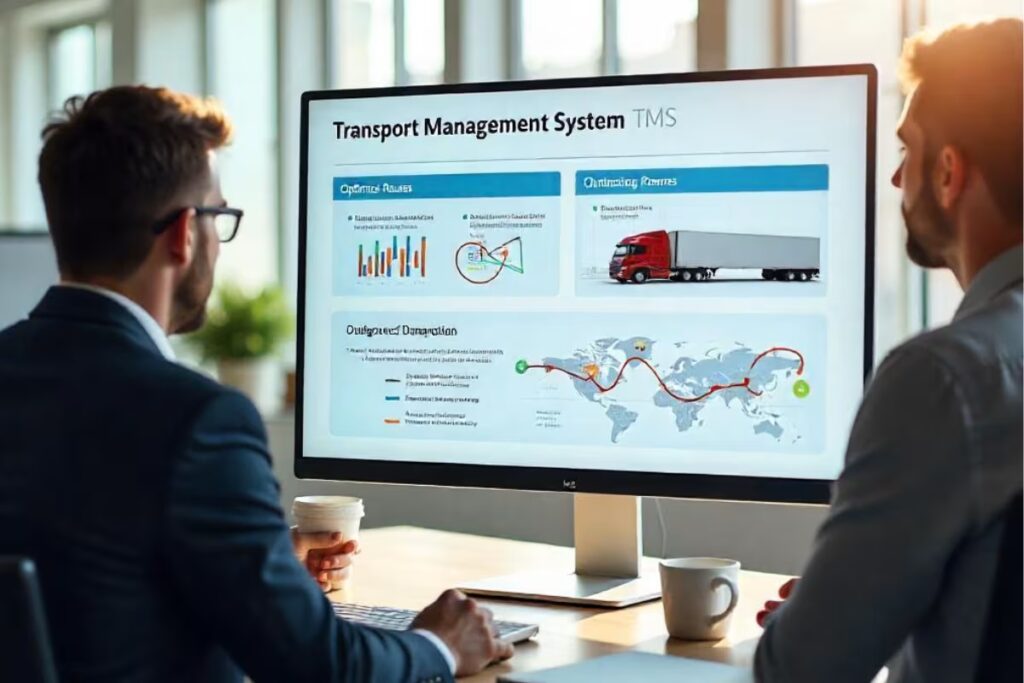
Introduction In 2025, trucking companies face rising fuel costs, stricter compliance rules, and higher customer expectations for real-time tracking. Manual tools like spreadsheets slow operations and increase risk.  A Transport Management System (TMS) helps carriers manage dispatch, tracking, billing, and compliance in one platform. This guide explains what a TMS is, how it works, and why carriers use TMS software to improve fleet efficiency.  Key Takeaways: Transport Management System What Is a Transport Management System (TMS) in Trucking? A Transport Management System (TMS) is software that helps trucking companies manage daily operations like load scheduling, dispatch, shipment tracking, and compliance. By replacing manual work, a TMS improves efficiency, visibility, and control across trucking operations. Fast Forward TMS is one example of a carrier-focused TMS designed to support these core trucking needs in a single platform.  Also Read – Transport Management System (TMS) for Carriers: Features, Benefits, and Best Practices [2025 Guide] Types of Transport Management System (TMS)  There are different types of Transport Management Systems (TMS) used in trucking, depending on fleet size and business needs:  Also Read: Cloud-Based vs. On-Premise TMS: How to Choose the Right One Why Transport Management Systems Are Important  A Transport Management System (TMS) is important because it helps trucking companies manage dispatch, tracking, and compliance in one system. It provides real-time visibility, reduces empty miles, and helps control fuel costs. According to Nucleus Research, TMS software can reduce transportation costs by 15%, lower demurrage costs by 47%, cut fuel usage by 12%, and improve load completion times by up to 50%, making fleet operations more efficient and reliable. How Transport Management System Works: Step-by-Step Guide A Transport Management System (TMS) manages the full trucking process from order creation to billing. It uses automation and real-time data to improve efficiency, accuracy, and visibility across freight operations. Order Intake and Load Creation Orders are created directly in the TMS or synced from connected systems. Shipment details like pickup, delivery location, cargo type, and timelines are captured automatically, reducing manual errors. Carrier Selection and Load Assignment The TMS assigns loads to the best driver or carrier based on availability, location, and past performance. This helps dispatchers make faster and more accurate load decisions. Dispatch and Document Automation Once a load is assigned, the TMS generates digital documents such as bills of lading and trip details. Dispatchers share this information instantly with drivers through mobile apps. Real-Time Tracking and Status Updates GPS tracking and mobile updates provide live visibility into truck location and shipment status. Dispatchers and customers receive timely updates from pickup to delivery. Delivery and Electronic Proof of Delivery (ePOD) Drivers submit electronic proof of delivery using the TMS mobile app. This confirms delivery, reduces paperwork, and speeds up payment processing. Billing, Auditing, and Settlement The TMS verifies freight charges, creates invoices, and syncs with accounting systems. This reduces billing errors and saves time on manual settlement tasks. Analytics and Operational Insights The system tracks data such as miles driven, delivery time, fuel usage, and driver performance. TMS Analytics Dashboards help carriers monitor KPIs and improve fleet efficiency. Key Features of a Modern Carrier-Focused Transport Management System  A modern Transport Management System (TMS) helps carriers manage dispatch, tracking, compliance, and billing from one platform. These features support efficient, compliant, and scalable trucking operations.  Load Planning and Dispatch Management  The TMS assigns loads based on driver availability, location, and Hours of Service (HOS). Drag-and-drop dispatch tools help teams schedule loads faster and reduce delays.  Smart Load Offer Negotiation  Dispatchers send load offers with rates directly to drivers. Drivers can accept, reject, or counter offers in real time, improving pricing speed and transparency.  Fleet and Driver Management  The system tracks vehicle status, maintenance schedules, and driver availability. It also monitors licenses and certifications to support compliance and reduce downtime.  Live GPS Tracking and Status Visibility  Real-time GPS tracking shows truck locations and shipment status. Automated ETAs and alerts improve visibility for dispatchers and customers.  Driver Mobile Application  Drivers use a mobile app to view loads, upload documents, and communicate with dispatch. Electronic proof of delivery (ePOD) reduces paperwork and delays.  Billing, Payroll, and Freight Settlement  The TMS automates invoicing based on completed trips and agreed rates. It integrates with payroll systems to ensure accurate and timely driver payments.  Digital Document and Compliance Management  All documents like BOLs, ePODs, permits, and fuel receipts are stored digitally. The system generates HOS and IFTA reports to support regulatory compliance.  Performance Analytics and Reporting  Dashboards track KPIs such as on-time delivery, fuel usage, cost per mile, and driver performance. This helps carriers make data-driven decisions.  System Integration and Scalability  The TMS integrates with ELDs, accounting software, ERP, and WMS systems. It supports multi-location fleets and scales easily as operations grow.  Also Read – Top 10 Features of Trucking Management System Software: TMS Features Explained Why Carriers Need a TMS for Trucking and Fleet Efficiency  Carriers today manage multi-stop routes, rising costs, and strict compliance rules. A Transport Management System (TMS) helps trucking companies run daily operations more efficiently by improving dispatch control, reducing errors, and increasing fleet visibility.  Key Challenges Solved by a TMS  Multi-Stop Load Planning and Driver Availability A TMS automates dispatch using real-time driver availability and route data. This helps carriers reduce delays and manage complex multi-stop loads more effectively.  Deadhead Mile Reduction By matching backhauls and consolidating shipments, TMS software reduces empty miles and improves fuel efficiency.  Live GPS and Real-Time Tracking Real-time GPS tracking provides accurate location updates and ETAs. This improves on-time deliveries and shipment coordination.   Compliance and Risk Mitigation A TMS automates HOS, ELD, and IFTA reporting. This helps carriers stay compliant and avoid costly penalties.  Admin and Billing Automation Digital BOLs and automated invoicing reduce manual billing work and improve accuracy.  Improved Driver and Customer Experience Driver mobile apps simplify load updates and ePOD uploads, while real-time visibility improves customer communication and satisfaction.  Top Benefits of a TMS Transport System for Trucking Fleets A TMS transport system helps trucking fleets manage operations more efficiently. It improves dispatch control, increases visibility, and supports better decision-making across fleet operations.  Cost Efficiency A Transport Management System reduces fuel costs by optimizing loads and limiting empty miles. Automated billing also cuts manual admin work.  Improved On-Time Deliveries Real-time dispatch coordination and GPS

What Is a Transport Management System (TMS) and How Does It Work?  Read More »

Truck Tracking Software: Features, Benefits, ROI & Compliance Guide

Truck Tracking Software: Features, Benefits, ROI & Compliance Guide

Introduction Managing a fleet without real-time visibility leads to delays, higher fuel costs, and compliance risks. Modern carriers need better control.  Truck tracking software is a real-time fleet management system that uses GPS and telematics to monitor truck location, driver activity, fuel usage, and compliance from one platform, often integrated with Dispatching Software, Driver Mobile App, and Fuel Management systems. that uses GPS and telematics to monitor truck location, driver activity, fuel usage, and compliance from one platform.  With rising fuel costs, stricter regulations, and increasing demand for real-time updates, tracking software for trucks has become essential. According to FreightWaves, telematics adoption has grown from 48% to 86%, showing rapid industry adoption.  Unlike manual methods, trucking tracking software provides live data, automation, and actionable insights, helping fleets improve efficiency, reduce delays, and make faster decisions.  This guide explains how truck tracking software works, its features, benefits, ROI, and how to choose the right solution.  Key Takeaways :Truck Tracking Software Truck tracking software helps carriers monitor fleet operations in real time, reduce costs, improve safety, and maintain compliance using GPS and telematics systems.  What is truck tracking software? Truck tracking software is a system that helps carriers monitor truck location, driver activity, and fleet performance in real time using GPS and telematics.  It replaces manual tracking methods like phone calls and paper logs by providing live data, automated updates, and centralized visibility through a single platform.  Modern tracking software for trucks also includes features like route optimization, driver monitoring, maintenance alerts, and compliance automation, helping fleets operate more efficiently. Explore More – Best TMS Truck Tracking Software Features of Truck Tracking Software Truck tracking software includes features that improve fleet visibility, safety, compliance, and overall operational efficiency. These capabilities help carriers manage daily operations more effectively while reducing manual effort.  How does truck tracking software work? Truck tracking software works by using GPS devices, sensors, and cloud-based platforms to monitor fleet activity in real time.  Each vehicle continuously sends location and performance data, which is processed and displayed in a centralized dashboard for fleet managers and dispatchers.  Here’s how the system works:  This data is combined with traffic and route information to support dispatching, compliance tracking, and operational decision-making.  Truck tracking software connects vehicles, drivers, and systems into one platform, enabling real-time visibility and faster, data-driven fleet management.  Why is truck tracking software better than traditional methods? Truck tracking software is better than traditional methods because it provides real-time data, automation, and centralized visibility, while manual systems rely on delays, guesswork, and fragmented communication.  Traditional fleet management depends on phone calls, paper logs, and basic GPS tools, which are slow, error-prone, and lack real-time insights.  In contrast, modern tracking software for trucks enables fleet managers to:  Key Difference:  Task  Traditional Methods  Truck Tracking Software  Tracking Trucks  Phone check-ins  Live GPS tracking  Routing  Paper maps / basic GPS  Real-time optimized routes  Driver Monitoring  Manual reports  Real-time behavior tracking  Compliance  Paper logs  Automated HOS & ELD  Reporting  Manual reports  Instant analytics dashboards  Truck tracking software replaces manual processes with real-time visibility and automation, helping fleets operate faster, more accurately, and with better control. Why Fleets Need & Benefits of Truck Tracking Software  Fleets today face challenges like limited visibility, rising fuel costs, manual coordination, and increasing compliance requirements. Managing operations without a centralized system often leads to delays, inefficiencies, and higher operational risks.  Truck tracking software addresses these challenges by providing real-time data, automation, and centralized control, helping fleets operate more efficiently and make faster decisions.  Improved Operational Visibility  Track vehicle location, routes, and delivery status in real time, enabling better coordination between dispatchers and drivers. This helps reduce delays and improves overall operational control.  Lower Fuel and Operating Costs Use real-time traffic, weather, and historical data to select efficient routes, reduce delays, and minimize fuel costs   Enhanced Driver Safety and Accountability Monitor driving behavior such as speeding, harsh braking, and idling to improve safety standards and reduce accident risks across the fleet.  Faster and Data-Driven Decision Making  Access real-time insights and analytics to quickly respond to delays, route changes, and unexpected operational challenges.  Simplified Compliance and Reporting  Automate driver hours (HOS), ELD logs, and activity tracking to reduce manual errors and ensure regulatory compliance.  Reduced Downtime and Maintenance Costs  Use alerts and predictive insights to identify potential vehicle issues early, preventing breakdowns and reducing maintenance expenses.  Improved Customer Experience and Transparency  Provide accurate delivery updates and real-time tracking visibility, improving communication and customer satisfaction.  Scalable and Efficient Fleet Operations  Manage growing fleets without increasing manual workload using Easy Onboarding and centralized fleet systems.by centralizing tracking, reporting, and performance management.  Truck tracking software helps fleets move from manual, reactive operations to a more efficient, data-driven system that supports long-term growth. How to Calculate ROI for Truck Tracking Software  ROI (Return on Investment) for truck tracking software is calculated by comparing cost savings and efficiency gains against the cost of the software.  ROI Formula:  ROI (%) = [(Annual Savings − Software Cost) ÷ Software Cost] × 100  Step 1: Identify Current Costs  Step 2: Estimate Savings  Step 3: Calculate ROI  Step 4: Consider Long-Term Value  Truck tracking software delivers ROI by reducing operational costs, improving efficiency, and enabling better decision-making over time.  Best Practices for Implementing Truck Tracking Software  Implementing truck tracking software requires the right approach to ensure smooth adoption and long-term results. Without proper planning, even the best system may fail to deliver value.  Here are the key steps to follow:  1. Define Clear Objectives Start by identifying goals such as reducing fuel costs, improving route efficiency, or ensuring compliance.  2. Choose a Scalable Solution Select tracking software that can grow with your fleet without disrupting operations.  3. Ensure System Compatibility Make sure GPS, ELD, and existing tools integrate properly for accurate data flow.  4. Train Drivers and Dispatchers Proper training ensures teams use the system effectively from day one.  5. Start with a Pilot Rollout Test with a small fleet before full deployment to identify and fix issues early.  6. Monitor and Optimize Performance Track key metrics like fuel usage, delivery time, and driver behavior to continuously improve operations.  7. Prioritize Data Security Use secure systems and access controls to protect sensitive fleet data.  Truck tracking software delivers the best results when implemented with clear planning, proper

Truck Tracking Software: Features, Benefits, ROI & Compliance Guide Read More »

Transport Management System (TMS) for Carriers: Features, Benefits, and Best Practices [2025 Guide]

Transport Management System (TMS) for Carriers: Features, Benefits, and Best Practices [2025 Guide]

Introduction to Transport Management System for Carriers The logistics industry is changing quickly. In 2025, it takes more than just trucks and a skilled team to stay competitive. Carriers need real-time information, better control, and smart tools to manage everything smoothly. That’s why a Transport Management System (TMS) has become a must-have for growing fleets. This easy-to-follow guide is written by our Product Owner, Dr. Nitin Shankar, a logistics expert with 18+ years of experience in transportation and finance. You’ll learn what a TMS is, which features matter most for carriers, how to measure its return on investment (ROI), and how to pick the right system for your fleet. We’ll also explain how to integrate it with your existing tools, make onboarding smooth, and prepare for the future of transport technology. What is a Transport Management System (TMS) for Carriers? A Transport Management System (TMS) for carriers is software that helps trucking companies automate and optimize key logistics tasks like dispatching, tracking, routing, and document management—all in one platform. A TMS Software serves as the digital command center for carriers. It replaces manual processes such as phone calls, spreadsheets, and paperwork with real-time tools that streamline operations. From assigning loads and tracking drivers to digitizing documents and ensuring compliance, everything happens within a unified system. Carriers benefit from improved efficiency, lower costs, better visibility, and faster decision-making. Core features often include route optimization, GPS tracking, e-document management, driver communication, billing, compliance support, and performance analytics. By centralizing these functions, a TMS enables carriers to scale operations, minimize errors, and deliver better service. You may also like to read – What Is a Transport Management System and How Does It Work?  TMS Software vs Traditional Methods: A Quick Comparison Curious about how today’s carrier TMS solutions outperform traditional transport management practices? The following comparison breaks down the critical differences between legacy logistics systems and a modern transportation management system for carriers, showcasing how digital transformation drives efficiency, reduces operational costs, and enhances shipment visibility. Aspect Traditional Methods TMS Software Load Assignment Manual, phone calls Automated with real-time scheduling Driver Tracking Periodic check-ins via phone Live GPS tracking and status updates Document Handling Paper-based, prone to loss Digital uploads and storage Compliance & Logs Manual logging Automated and audit-ready Reporting & Insights Difficult and time-consuming Instant dashboards and reports With a TMS, carriers can shift from reactive to proactive fleet management—leading to faster decisions, better performance, and higher efficiency.Also Read – TMS Software vs Traditional Methods – A Complete Comparison for Fleet Management in 2025 Why Is a Transportation Management System Important in 2025? A transportation management system allows carriers to streamline dispatch operations, reduce operational costs, and increase supply chain efficiency. With increasing industry demands in 2025, TMS software helps automate tasks like route planning, driver assignment, and real-time shipment tracking—saving valuable time and reducing manual errors. It also supports regulatory compliance, provides critical insights through analytics, and enhances communication across teams. In a logistics landscape where speed, transparency, and accuracy matter more than ever, a TMS is no longer optional—it’s a necessity for modern carriers to stay competitive. Top Benefits of Using TMS for Carriers A Transport Management System for carriers isn’t just a convenience—it’s a game-changer in today’s competitive logistics environment. By replacing manual tasks with smart automation, a TMS allows carriers to operate more efficiently, make informed decisions, and increase overall profitability. Here are the key benefits carriers can expect from using a modern TMS: A well-implemented transportation management system for carriers doesn’t just streamline operations—it creates long-term business value through automation, visibility, and cost control. What are the Features of a Transport Management System? A Transport Management System (TMS) for carriers is built to streamline logistics, improve visibility, and reduce operational friction. It combines automation, communication, and analytics to help carriers scale faster and operate more efficiently. Here are the top features of a TMS designed for carriers: How does a Transport Management System work? A Transportation Management System (TMS) works by automating and coordinating the end-to-end process of planning, executing, and analyzing the movement of goods across the supply chain. It acts as a digital hub that connects carriers, dispatchers, drivers, and logistics teams—streamlining operations through centralized control, data integration, and real-time visibility. Here’s how a TMS works in a typical carrier operation: 1. Order Integration and Shipment Planning The process begins when shipment orders are entered into the system—either manually or via integration with other platforms like ERPs (Enterprise Resource Planning) or WMS (Warehouse Management Systems). The TMS analyzes this information to determine the most efficient transportation plan. It evaluates factors like delivery windows, route distances, cargo type, and cost constraints to select the best carrier, mode (LTL, FTL, intermodal), and route for each shipment. This step ensures optimized planning before a truck even hits the road. 2. Carrier Assignment and Load Tendering Once a shipment plan is created, the TMS assigns loads to carriers based on availability, pricing, service levels, or historical performance. It can automatically tender loads to preferred carriers or allow competitive bidding within a carrier network. Load confirmations, rate agreements, and documentation are all managed digitally—cutting down on phone calls and paperwork. 3. Shipment Execution and Real-Time Tracking As the shipment progresses, the TMS tracks its movement in real time using GPS data, ELDs (Electronic Logging Devices), and driver mobile apps. Dispatchers and managers can view the exact location of each vehicle, monitor driver status, and respond quickly to route changes, delays, or exceptions. This level of visibility allows for proactive decision-making and minimizes service disruptions. 4. Document Management and Billing After delivery, the TMS automatically captures relevant documents such as Proof of Delivery (POD), bills of lading, and freight invoices. These documents are validated against load details to initiate billing or payment processes. By digitizing this part of the workflow, a TMS reduces manual errors, speeds up settlements, and improves compliance. 5. Data Analysis and Performance Optimization Finally, the TMS compiles operational data to generate key performance metrics like

Transport Management System (TMS) for Carriers: Features, Benefits, and Best Practices [2025 Guide] Read More »

Scroll to Top